


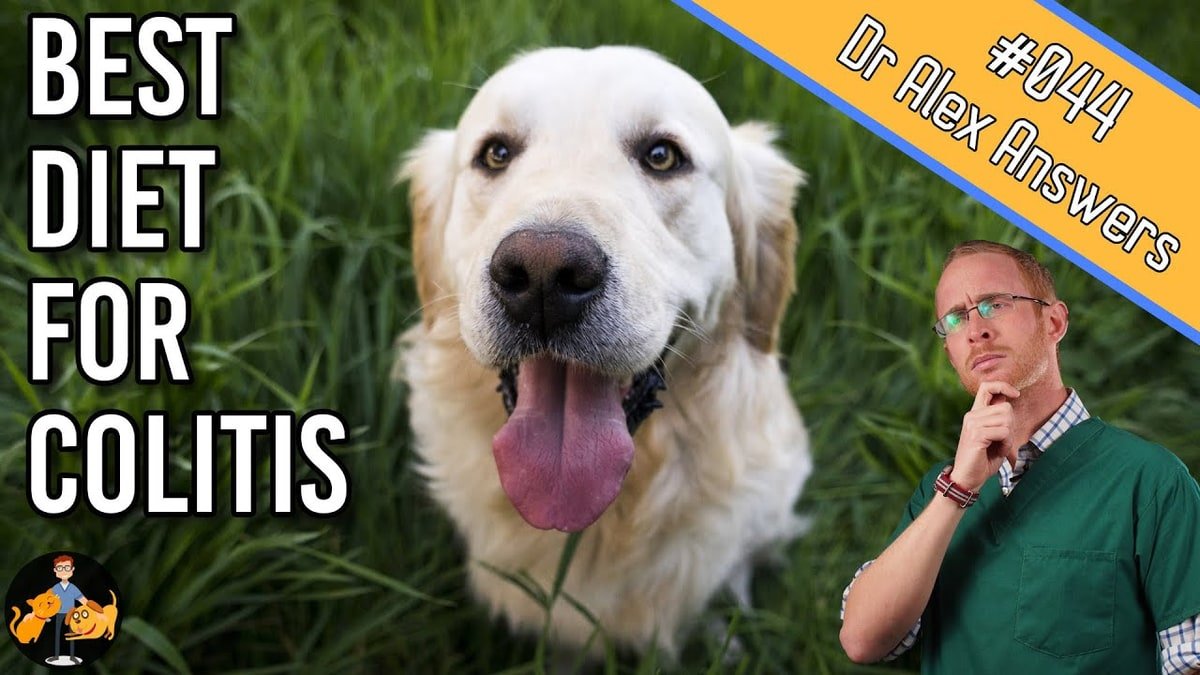
Colitis in dogs from stress is inflammation of the large intestine (colon) triggered by a stressful event, causing sudden loose or liquid stools, mucus, straining, and occasionally blood in the stool. It is one of the most common causes of acute diarrhea in dogs. Most cases resolve within 3 to 5 days with a bland diet, hydration, fiber supplementation, and reduction of the underlying stressor.
For related reading, see Dog Stroller for Large Dogs and Mobility Aids: 8 Products for Injury Recovery, Hip Dysplasia, and Training.
What Is Stress Colitis in Dogs?
Stress colitis is acute inflammation of the colon caused by psychological or physical stress. When a dog experiences stress, the autonomic nervous system disrupts normal gut motility and alters the balance of bacteria in the large intestine. The colon loses its ability to absorb water efficiently, resulting in loose or watery stools.
Stress colitis differs from chronic colitis. Acute stress colitis appears suddenly following a stressful event and typically clears within a week. Chronic colitis recurs repeatedly and may signal inflammatory bowel disease (IBD), infection, or cancer, which requires veterinary investigation.
What Stressors Trigger Colitis in Dogs?
There are 2 categories of stressors that trigger colitis: negative stressors and positive stressors. Both affect the colon equally.
Negative stressors include:
- Boarding, kennelling, or rehoming
- Fireworks, thunderstorms, or loud noises
- Moving to a new home
- New pets or people in the household
- Separation anxiety episodes
Positive stressors include:
- Car trips and travel
- Visits from guests
- Vigorous play sessions
- Attending dog parks or new environments
What Are the Symptoms of Colitis in Dogs?
There are 6 main symptoms of colitis in dogs:
- Frequent loose or watery stools, sometimes produced multiple times per hour
- Straining to defecate with little output
- Mucus coating the stool
- Bright red blood streaks in the stool
- Urgency to defecate, including accidents indoors
- Mild vomiting in some cases
Colitis primarily affects the large intestine. Stools are typically soft to liquid but produced in small volumes, unlike small intestine diarrhea which produces large volumes. Dogs with colitis may appear alert and continue eating normally despite the digestive upset.
My Dog Has Diarrhoea and Vomiting: Is It Colitis?
A dog with both diarrhea and vomiting may have stress colitis, but the combination also indicates gastroenteritis, dietary indiscretion (eating something unsuitable), parvovirus in unvaccinated dogs, or intestinal parasites.
The key differences are shown in the table below:
| Condition | Stool Type | Vomiting | Blood Present | Urgency |
|---|---|---|---|---|
| Stress colitis | Small, soft/liquid, mucus | Occasional | Small red streaks | High |
| Gastroenteritis | Large volume, watery | Frequent | Possible | Moderate |
| Dietary indiscretion | Large volume, watery | Common | Rare | Moderate |
| Parvovirus | Very liquid, bloody | Severe | Heavy red | High |
Vomiting combined with diarrhea accelerates dehydration, particularly in small dogs and puppies. A dog that is vomiting and has diarrhea simultaneously and appears lethargic should be seen by a veterinarian within 24 hours, not treated at home.
My Dog Is Having Diarrhea: When Is It an Emergency?
Take your dog to a veterinarian immediately if any of the following are present:
- Diarrhea lasting more than 48 hours despite a bland diet
- Black, tarry stools (melena) at any point
- Heavy bright red blood in multiple consecutive stools
- Simultaneous vomiting and diarrhea with lethargy or weakness
- Diarrhea in a puppy under 6 months or an elderly dog
- Signs of dehydration: dry gums, sunken eyes, skin that does not spring back when pinched
- No vaccinations against parvovirus
Mild single-episode diarrhea in an otherwise alert, eating adult dog can be managed at home for up to 48 hours before requiring veterinary attention.
What Does Black Diarrhea in Dogs Mean?
Black, tarry, or dark brown diarrhea in dogs is called melena and indicates digested blood originating from the upper gastrointestinal tract, which includes the stomach or small intestine. Melena is always a veterinary emergency.
Melena differs from the small bright red blood streaks seen in colitis. Bright red blood in the stool comes from the large intestine or rectum and is less immediately serious, though still warrants a veterinary assessment. Black diarrhea indicates that blood has been digested during its passage through the gut, suggesting a bleed higher in the digestive system, such as a gastric ulcer, intestinal foreign body, or clotting disorder.
Do not attempt to manage black diarrhea at home. Contact a veterinarian on the same day it is noticed.
What Is the Best Food for a Dog with Diarrhea?
The best food for a dog with diarrhea is a bland diet of plain boiled white rice and boiled boneless, skinless chicken breast, in a ratio of 2 parts rice to 1 part chicken. This combination is low in fat, highly digestible, and gentle on an inflamed colon.
White rice is preferred over brown rice because it is lower in fibre and easier to digest. During diarrhea, the colon is already overloaded. Insoluble fibre from brown rice can worsen stool looseness rather than help it.
Chicken and Rice Dog Food Recipe for Diarrhea

This recipe produces 2 to 3 meals for a 30 to 40-pound dog:
Ingredients:
- 2 cups white rice
- 1 cup boneless, skinless chicken breast
- 4 cups water (for cooking)
Instructions:
- Place chicken breast in a pot. Cover with water. Bring to a boil and simmer for 20 to 25 minutes until fully cooked.
- Remove the chicken and shred finely. Discard cooking water or reserve sodium-free portions for flavouring.
- Cook white rice according to packet instructions or simmer for 20 minutes until soft. Extra cooking time produces softer, more digestible rice.
- Combine 2 parts cooked rice with 1 part shredded chicken. Allow to cool to room temperature before serving.
- Serve small portions every 4 hours rather than 1 large meal.
Duration of use: Feed this bland diet for 2 to 3 days, or until stools return to normal. This recipe is not nutritionally complete and must not replace a balanced diet long-term.
Transitioning back to regular food:
| Day | Bland Diet | Regular Kibble |
|---|---|---|
| Day 1-2 | 100% | 0% |
| Day 3 | 75% | 25% |
| Day 4 | 50% | 50% |
| Day 5 | 25% | 75% |
| Day 6 | 0% | 100% |
If diarrhea returns during the transition, extend the bland diet by one day and slow the reintroduction pace.
What Are the Benefits of Pumpkin for Dogs?
Pumpkin is a soluble fibre source that absorbs excess water in the intestines, helping firm loose stools and normalise stool consistency. According to the American Kennel Club, pumpkin also acts as a prebiotic, lowering intestinal pH and stimulating the growth of beneficial bacteria.
Pumpkin for dogs with diarrhea should always be plain canned pumpkin puree, not pumpkin pie filling. Pumpkin pie filling contains sugar, spices, and sometimes xylitol, which is toxic to dogs.
How Much Pumpkin to Give a Dog with Diarrhea
| Dog Size | Weight | Pumpkin Dose |
|---|---|---|
| Extra small | Under 10 lbs | 1 teaspoon per meal |
| Small | 10 to 20 lbs | 1 to 2 teaspoons per meal |
| Medium | 20 to 50 lbs | 1 to 2 tablespoons per meal |
| Large | Over 50 lbs | 2 to 4 tablespoons per meal |
Add pumpkin directly to the bland diet meal. Do not exceed the recommended dose, as excess soluble fibre can cause gas and bloating.

Is Broth Good for Dogs with Diarrhea?
Broth is beneficial for dogs with diarrhea as a hydration aid that encourages fluid intake when the dog is reluctant to drink plain water. Diarrhea causes rapid fluid and electrolyte loss, and maintaining hydration is the most important supportive measure during acute colitis.
Broth used for dogs must be:
- Sodium-free or very low sodium: Standard store-bought chicken broth contains levels of sodium that are harmful to dogs. Use unsalted homemade broth or a product specifically labelled sodium-free.
- Onion-free and garlic-free: Onion and garlic in any form are toxic to dogs and are present in many commercial broths. Check the ingredient list before use.
- Plain: No herbs, spices, or added fats
Add a small amount of qualifying broth to the dog's water bowl or cook the bland diet rice in the broth to improve palatability for dogs with reduced appetite.
What Are Homemade Probiotics for Dogs?
Homemade probiotics for dogs are naturally fermented foods containing live beneficial bacterial cultures that help restore gut microbiome balance after diarrhea. The most accessible homemade probiotic options are plain yogurt and plain kefir.
Plain Yogurt as a Dog Probiotic
Plain, unsweetened yogurt with live active cultures contains Lactobacillus and Bifidobacterium strains that support gut health in dogs. It must not contain xylitol, artificial sweeteners, or fruit flavouring.
Give 1 teaspoon for small dogs and 1 to 2 tablespoons for large dogs once daily alongside the bland diet. Not all dogs tolerate dairy well. Discontinue if yogurt worsens loose stools.
Plain Kefir as a Dog Probiotic
Plain, unsweetened kefir contains a broader range of probiotic cultures than yogurt. It is lower in lactose than yogurt, making it better tolerated by dogs with mild dairy sensitivity. Use the same dose guidance as yogurt.
Commercial Dog Probiotics
Veterinarian-recommended commercial probiotics such as Fortiflora (Purina Pro Plan) and Proviable (Nutramax) contain standardised colony-forming unit (CFU) counts of Enterococcus faecium and Lactobacillus strains specifically formulated for dogs. These are more reliable than homemade options for dogs with active diarrhea. VCA Hospitals recommends asking your veterinarian about specially formulated probiotic supplements designed to support digestive health.
How Long Does Stress Colitis Last in Dogs?
Most cases of stress colitis in dogs resolve within 3 to 5 days with rest, a bland diet, hydration, and removal of the stressor. According to veterinarian Dr. Carolina Domingues of Maven Pet, stress colitis is rarely serious, but early care and stress management reduce recovery time significantly.
Cases lasting more than 5 to 7 days, recurring cases, or cases that include blood, vomiting, or weight loss require veterinary investigation to rule out parasites, bacterial infection, IBD, or other underlying conditions.
How to Prevent Stress Colitis in Dogs
There are 5 practical steps to reduce the frequency of stress colitis episodes:
- Maintain a consistent daily routine: Fixed feeding, walking, and sleep times reduce baseline anxiety in stress-sensitive dogs
- Introduce changes gradually: New homes, new pets, or diet changes introduced slowly are less likely to trigger a colitis episode
- Use a daily probiotic: Dogs prone to stress colitis benefit from ongoing probiotic supplementation to maintain gut microbiome resilience
- Manage known stressors proactively: Use veterinarian-recommended anxiolytics or calming tools before predictable events such as fireworks or travel
- Feed a consistent, high-quality diet: Abrupt food changes are a common secondary trigger for colitis alongside stress

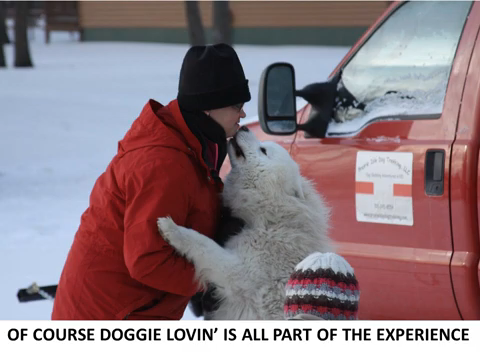
Helen L. Corlew runs a team of Samoyeds, Alaskan malamutes and Alaskan huskies. I am a Tellington TTouch practitioner and use this mode of work with training and living with my dogs.
Helen Corlew founded Prairie Isle Dog Trekking in Petersburg, North Dakota in 2010, and has spent the fifteen years since doing something most people only read about: teaching real dog sledding on real prairie terrain, at the edge of a landscape that doesn’t apologize for being difficult.
She is not a weekend enthusiast. She harnesses working dogs in January cold, trains handlers who have never touched a sled, and has built one of the only hands-on mushing education programs on the Northern Great Plains — from a single address on Highway 2, with no marketing budget and no shortcuts.
Her writing on Prairie Isle Dog Trekking reflects the same philosophy. Whether she is covering trail safety across the Rockies, breed behavior in extreme conditions, or what it actually takes to trek with a dog in the Alps, Helen writes from the position of someone who has done the work before writing the sentence.
She lives and runs dogs in Nelson County, North Dakota.
Kindly follow me on Social Media!


