


This guide covers the 5 most searched dog poop topics: why dogs eat poop and how to stop it, what abnormal colours mean, what worms look like, whether rats eat dog poop, and how to clean it from carpet.
For related reading, see What to Do If Your Dog Has a Seizure: First Aid, Warning Signs, and When to Call a Vet.
Why Does My Dog Eat Her Poop?
For veterinary context, see this reliable source.
Dogs eat poop due to a condition called coprophagia. It affects approximately 25% of dogs, with 1 in 6 being regular poop eaters.
There are 6 main reasons dogs eat poop.
- Nutritional deficiencies: Dogs lacking B vitamins or digestive enzymes may seek undigested nutrients in stool.
- Malabsorption disorders: Some dogs fail to absorb nutrients properly, making their own stool still smell like food.
- Medical conditions: Diabetes and Cushing's disease increase hunger, which can lead to poop eating.
- Intestinal parasites: Worm infestations reduce nutrient absorption, triggering the behavior.
- Boredom or anxiety: Dogs under-stimulated or under stress use poop eating as a coping outlet.
- Learned behavior: Puppies may copy the behavior from their mother, who cleans the den area by consuming puppy waste.
Cat feces is particularly attractive to dogs due to its high protein content from cat food. Dogs with access to a litter box often target it specifically.
How to Stop a Dog from Eating Poop: 6 Home Remedies
There are 6 home remedies to stop a dog from eating poop. Most owners see improvement within 7 to 21 days.
- Fresh pineapple: Pineapple contains bromelain, an enzyme that alters the smell and taste of stool. Add a few small pieces of fresh pineapple to meals daily. Avoid canned pineapple, which contains added sugar.
- Plain canned pumpkin: Pumpkin's fiber content improves digestion and makes stool less appealing. Dose: 1 to 2 teaspoons per meal for small to medium dogs; 1 to 2 tablespoons per meal for large breeds. Use plain canned pumpkin, not pumpkin pie filling.
- Plain unsweetened Greek yogurt: Yogurt's probiotics support gut health and reduce nutrient malabsorption, which is a common driver of the behavior. Give a small spoonful once daily. Avoid flavored or sweetened yogurt.
- Apple cider vinegar: Add 1 teaspoon per 25 lbs of body weight to food once daily. Apple cider vinegar alters stool odor and supports digestion.
- Digestive enzyme supplements: Dog-specific enzyme supplements help the digestive system extract nutrients fully from food, reducing the appeal of stool. Follow dosage on the product label.
- Immediate cleanup: Remove poop from the yard as soon as possible. Dogs cannot eat what is not there. Supervise outdoor time with a leash and use a firm "leave it" command before your dog reaches any stool.
Note: taste-aversion supplements only work when fed to the animal whose feces is being eaten, not the dog eating it.
How Often Should a Dog Poop Per Day?
Dogs poop between 1 and 5 times per day, depending on age, diet, size, and activity level.
| Life Stage | Normal Frequency |
|---|---|
| Puppy (under 6 months) | 3 to 5 times per day |
| Adult dog (1 to 7 years) | 1 to 3 times per day |
| Senior dog (8 years and older) | 1 to 2 times per day, may vary |
Increases in frequency, straining, loose stool, or going more than 24 hours without a bowel movement all warrant a veterinary call.
Why Is My Dog Having Diarrhea?
Dog diarrhea has 7 common causes.
- Dietary indiscretion: eating garbage, table scraps, or unknown food
- Sudden food change: switching kibble brands without a gradual transition
- Intestinal parasites: roundworms, hookworms, whipworms, Giardia
- Bacterial infection: Salmonella or Campylobacter from contaminated food or water
- Viral infection: parvovirus, especially in unvaccinated or young dogs
- Stress or anxiety: travel, new environments, separation
- Inflammatory bowel disease: chronic inflammation of the intestinal lining
Mild diarrhea that resolves within 24 to 48 hours with no blood and normal behavior can be managed with bland food such as boiled chicken and rice. Contact a vet if diarrhea lasts more than 48 hours, contains blood, or accompanies vomiting, lethargy, or loss of appetite.
What Does Black Diarrhea in Dogs Mean?
Black diarrhea in dogs indicates digested blood in the stool, a condition called melena. Blood from the upper gastrointestinal tract (stomach, esophagus, or small intestine) travels through the digestive system and oxidizes before exiting, turning the stool black and tarry.
True melena has 3 identifying characteristics.
- Color and texture: sticky, shiny, and tar-like, similar to thick motor oil or roofing tar
- Smell: metallic or unusually foul, noticeably stronger than normal dog poop
- Consistency: loose or semi-formed, not a solid stool
Black diarrhea in dogs requires a call to your veterinarian the same day. Treat it as an emergency if any of these are also present.
- Pale, white, or bluish gums
- Vomiting with blood or coffee-ground material
- Collapse, inability to stand, or extreme weakness
- Known or suspected rat poison exposure
- Puppy with black diarrhea and lethargy (suspect parvovirus)


Why Is My Dog's Poop Black? Serious vs. Benign Causes
Not every case of black dog poop is an emergency. There are 2 categories of cause.
Benign causes of black poop include: eating large amounts of organ meats such as liver, iron supplement use, bismuth subsalicylate (the active ingredient in Pepto Bismol), activated charcoal administered by a vet, and dark-coloured foods or food dyes.
Serious causes requiring veterinary attention include: stomach ulcers, internal bleeding from trauma, rat poison interfering with blood clotting, parvovirus, inflammatory bowel disease or pancreatitis, and severe intestinal worm infestation.
If your dog's poop is black but they are eating, playing, and acting normally, consider recent diet or medication changes first. If no clear cause is found, or if the black stool persists for more than 24 hours, contact your vet. Take a photo before scooping.
What Does Bloody Diarrhea in Dogs Mean?
The location of blood in the stool indicates where in the digestive tract the problem originates.
| Blood Type | Appearance | Location of Problem |
|---|---|---|
| Bright red blood (hematochezia) | Fresh red blood mixed in or coating stool | Large intestine (colon) |
| Black tarry stool (melena) | Dark, sticky, tar-like consistency | Upper GI tract (stomach, small intestine) |
| Jelly-like mucus with blood | Thick mucus mixed with red blood | Colon with severe inflammation |
Bloody diarrhea in dogs requires veterinary attention within 24 hours. Common causes include hemorrhagic gastroenteritis (HGE), parvovirus, intestinal parasites, dietary indiscretion, and intestinal foreign bodies. HGE can cause rapid, severe blood loss and is life-threatening without prompt treatment.
Do not attempt to treat bloody diarrhea at home. Call your veterinarian or an emergency animal hospital immediately.
What Do Worms in Dog Poop Look Like?
There are 4 types of intestinal worms found in dogs. 2 are visible to the naked eye; 2 require microscopic examination to identify.
| Worm Type | Appearance | How Dogs Get Them |
|---|---|---|
| Tapeworm | Small, flat, rice-grain segments; may move when fresh; look like sesame seeds when dried | Swallowing an infected flea during grooming |
| Roundworm | Long, spaghetti-like strands; white or tan; several inches long; found in stool or vomit | Contaminated soil, feces, or mother's milk |
| Hookworm | Too small to see without a microscope; hook-like mouthparts | Contaminated soil; larvae penetrate skin or are ingested |
| Whipworm | Too small to see; tiny thread-like with one fat enlarged end | Contaminated soil or feces |
What Are Small White Worms in Dog Poop?
Small, short, white worms in dog poop are most commonly tapeworm segments. They appear as flat, white grains of rice in fresh stool and may wriggle slightly when fresh. When dried, they look like sesame seeds stuck to fur around the anus or on bedding.
Long white worms that resemble spaghetti are roundworms. Adult roundworms can grow several inches long and pass whole in stool or vomit during heavy infestations.

Dogs with tapeworms often scoot their rear end along the ground due to irritation from segments around the anus.
Both roundworms and tapeworms are transmissible to humans. Roundworms cause toxocariasis, which can lead to eye or organ damage in people. Wash hands thoroughly after handling any dog feces.
If you see any worms in dog poop, collect a stool sample in a sealed bag and contact your veterinarian. Treatment requires a prescription dewormer matched to the specific parasite type. Diagnosis is confirmed with a fecal float test at the vet.
Do Rats Eat Dog Poop?
Yes. Rats eat dog poop. Dog feces is high in fat, protein, and carbohydrates from partially undigested commercial dog food, making it an attractive food source for rats and mice.
Rats locate dog poop by smell from a significant distance. A yard with dog poop left out daily becomes a reliable stop on a rat's nightly foraging route. Once rats identify a food source, they return repeatedly and eventually nest nearby.
Leaving dog poop in the yard carries 4 risks.
- Rat infestation: settled rats cause structural damage by gnawing doors, windows, baseboards, and electrical cables.
- Disease transmission: rat droppings, urine, and fur spread leptospirosis, Salmonella, and hantavirus.
- Parasite spread: dog poop contains roundworm eggs that persist in soil and infect other pets and children.
- Population growth: a reliable food source causes rat populations to grow, increasing risk to the wider community.
Pick up dog poop within 24 hours of deposit. Dispose of it in sealed, rodent-proof bins. Thin plastic bags do not stop rats from gaining access to waste.
How Do I Get Dog Poop Out of Carpet?
There are 2 methods depending on whether the poop is fresh or dried.
Fresh Dog Poop (7 Steps)
- Put on disposable gloves.
- Pick up solid waste with paper towels or a plastic bag. Lift without pushing the mess deeper into the fibers.
- Spray an enzyme cleaner such as Nature's Miracle or Folex over the stain and 1 inch around it.
- Let the enzyme cleaner soak for 10 to 15 minutes. Enzymes break down the proteins, bacteria, and odor compounds in the waste.
- Blot the area with a clean cloth, working from the outside of the stain inward.
- Sprinkle baking soda over the damp area to absorb odor. Leave for 15 to 30 minutes, then vacuum.
- Allow the area to dry fully with a fan or open window. Avoid walking on the spot for at least 2 hours.
No Enzyme Cleaner: DIY Solution
Mix equal parts white vinegar and water in a spray bottle. Apply, let sit for 10 minutes, and blot dry. For fresh stains, 1 tablespoon of dish soap mixed with 2 cups of warm water is also effective. Work from the outside of the stain inward to prevent spreading.
Dried Dog Poop
- Lay damp paper towels over the dried area for 10 to 15 minutes to rehydrate it.
- Scrape gently with a dull scraper, old spoon, or plastic spatula.
- Apply enzyme cleaner generously and let soak for 15 to 20 minutes.
- Scrub with a soft-bristle brush in short circular motions.
- Blot dry, apply baking soda, let sit, then vacuum.
Old or stubborn stains may require 2 rounds of enzyme treatment. Apply again and allow to soak overnight before blotting for best results.
Do not use hot water at any stage. Heat permanently sets organic stains into carpet fibers.

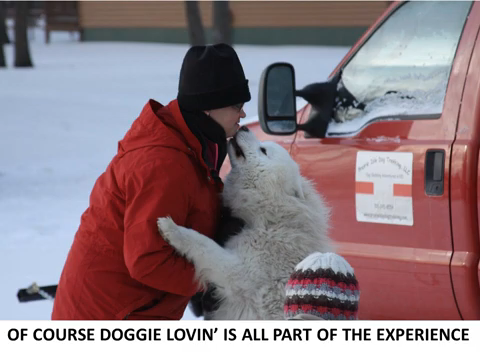
Helen L. Corlew runs a team of Samoyeds, Alaskan malamutes and Alaskan huskies. I am a Tellington TTouch practitioner and use this mode of work with training and living with my dogs.
Helen Corlew founded Prairie Isle Dog Trekking in Petersburg, North Dakota in 2010, and has spent the fifteen years since doing something most people only read about: teaching real dog sledding on real prairie terrain, at the edge of a landscape that doesn’t apologize for being difficult.
She is not a weekend enthusiast. She harnesses working dogs in January cold, trains handlers who have never touched a sled, and has built one of the only hands-on mushing education programs on the Northern Great Plains — from a single address on Highway 2, with no marketing budget and no shortcuts.
Her writing on Prairie Isle Dog Trekking reflects the same philosophy. Whether she is covering trail safety across the Rockies, breed behavior in extreme conditions, or what it actually takes to trek with a dog in the Alps, Helen writes from the position of someone who has done the work before writing the sentence.
She lives and runs dogs in Nelson County, North Dakota.
Kindly follow me on Social Media!


