
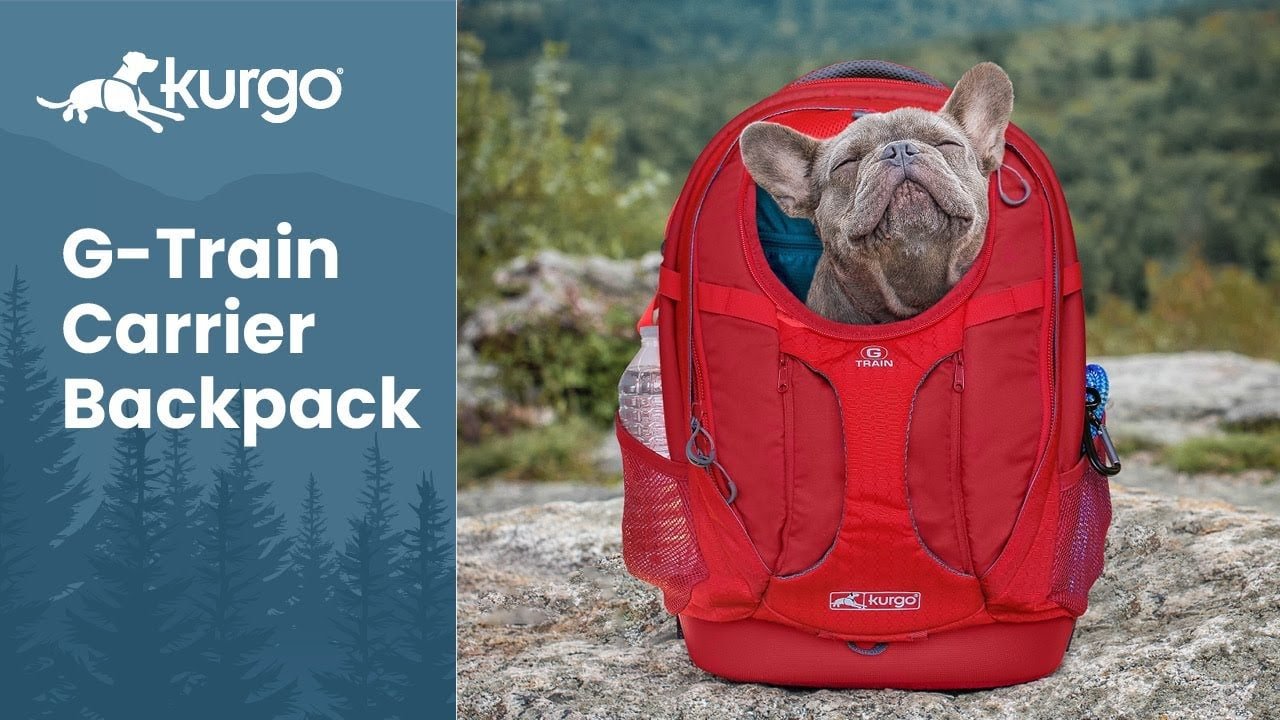
The harness I pulled off Kestrel this morning smelled like frozen nylon and old work. It’s been outside since Tuesday. Temperatures haven’t climbed above single digits, and the metal clips left marks on my palms before my hands remembered to not touch metal bare. I hung it up, started the truck, and while I was waiting for the heat to kick I looked at my phone and saw a sponsored post. Eight hundred dollars. Carbon fiber frame. Moisture-wicking fleece lining. Ergonomic load distribution system. Available in four colorways. Sold out in six hours.
For a dog backpack.
I sat with that for a while.
I don’t have a problem with people loving their dogs. That’s not this. What I have a problem with, quietly, the way you have a problem with something you keep thinking about while you’re doing other things, is what that backpack tells me about how far we’ve traveled from understanding what a dog actually is.
About four years ago a family came out from Minneapolis. Two kids, a golden retriever named Biscuit, and a bag of gear that cost more than my first sled. Matching fleece pullovers. Booties. The dog was wearing a harness that probably had its own warranty card. The mother told me they’d done a lot of research. I believed her. The gear was immaculate. The dog had never pulled anything in its life.
We got him into the gangline and something happened that I’ve seen a hundred times and still watch for: Biscuit went completely still. Not frightened. Not resistant. Just waiting. The tug line was slack. He looked back at the family on the sled, then forward at my leaders, then back again. He didn’t know what was being asked of him. All that gear, and nobody had ever asked him to do the thing the gear implied.
That’s the thing nobody puts in the product description.
Working dogs are not accessories waiting to be activated by the right equipment. They are animals with specific psychological architectures, and those architectures require engagement, repetition, consequence, and time. Kestrel knows her job because she has done her job, in cold that burns the inside of your nose differently at minus twenty than at minus five, in wind that comes flat off the prairie with nothing to stop it, in conditions where a mistake means you are standing alone in a field and your hands have already stopped working before you registered that they stopped. She didn’t learn anything from her harness. She learned from the work.
The $800 backpack bothers me because it signals a reversal that’s been building for years. Gear used to follow capability. A working dog got working equipment after she earned it, after she demonstrated what she was and what she needed. Now equipment precedes everything. You buy the life before you’ve lived it. You dress the dog for a relationship that hasn’t been built yet.

And the dogs know. They always know.
I get beginners out here every season, families, school groups, people who’ve never touched a working dog, and the ones who struggle are never the ones who showed up without the right gear. They’re the ones who came expecting the gear to do the communicating. They stand in minus fifteen with technically excellent mittens and they grab a dog’s collar wrong and they wonder why the dog doesn’t settle. It’s not about the mittens.
Biscuit, to his credit, figured it out. By the end of that session he was leaning into the harness, reading the line, doing the thing his biology had always been ready to do. He didn’t need different gear. He needed someone to ask him clearly. The mother cried a little, which happened more than you’d think out here, something about watching a dog become itself in flat winter light does that to people.
She asked me afterward where I got my harnesses. I told her. She looked a little disappointed.
I don’t sell a feeling. I sell cold and work and dogs that have something to say if you know how to listen. None of that fits in a carbon fiber frame with a moisture-wicking liner. None of it photographs well against the snow.
Eight hundred dollars. Six hours. Sold out.
The prairie doesn’t care what the dog is wearing. Neither does the dog.

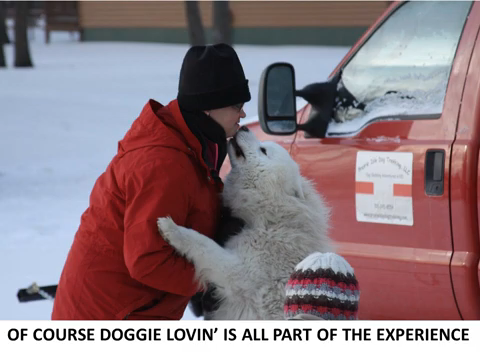
Helen L. Corlew runs a team of Samoyeds, Alaskan malamutes and Alaskan huskies. I am a Tellington TTouch practitioner and use this mode of work with training and living with my dogs.
Helen Corlew founded Prairie Isle Dog Trekking in Petersburg, North Dakota in 2010, and has spent the fifteen years since doing something most people only read about: teaching real dog sledding on real prairie terrain, at the edge of a landscape that doesn’t apologize for being difficult.
She is not a weekend enthusiast. She harnesses working dogs in January cold, trains handlers who have never touched a sled, and has built one of the only hands-on mushing education programs on the Northern Great Plains — from a single address on Highway 2, with no marketing budget and no shortcuts.
Her writing on Prairie Isle Dog Trekking reflects the same philosophy. Whether she is covering trail safety across the Rockies, breed behavior in extreme conditions, or what it actually takes to trek with a dog in the Alps, Helen writes from the position of someone who has done the work before writing the sentence.
She lives and runs dogs in Nelson County, North Dakota.
Kindly follow me on Social Media!