
The dog came in on a Tuesday with a family from Bottineau, a Shiba Inu, and I knew before they got out of the truck that nobody had told them what they were dealing with. He rode in the back seat with his head turned toward the window and his whole body arranged to face away from the two kids beside him. Not aggressive. Not anxious. Just elsewhere. The mother said his name was Socks and he was very friendly. Socks looked at me once when I approached, the particular flat assessment that Shibas do, and then looked away. That look doesn’t mean unfriendly. It means he’d already decided I wasn’t a threat and had moved on.
I put a harness on him because the family wanted photos and because I was curious. He accepted it the way Shibas accept most things, without enthusiasm and without resistance, as though the whole transaction were mildly beneath him but fine. Then I walked him to the front of the yard where the team was staked out and he went still. Not frightened still. Interested still. He stood there with his nose working and his ears tracking every sound and for about thirty seconds he was more present than anyone else in that yard including me.
The article came out of Outside magazine, or something like it, and the headline wanted to know why the Shiba Inu had become the country’s most popular trail dog despite being famously aloof and cat-like and resistant to commands. The experts quoted were baffled. They cited the breed’s stubbornness, its poor recall, its low biddability. They could not reconcile these qualities with the thousands of Shibas now logging miles on trail apps across the country.
I was not baffled.
A trail doesn’t ask your dog to perform. It doesn’t ask for tricks or sustained eye contact or any of the social behaviors that biddable breeds spend their whole lives cheerfully delivering. A trail asks the dog to move, pay attention, and tolerate discomfort. The Shiba Inu has been doing those three things for three thousand years. The breed was built for mountain hunting in Japan, working alone, making decisions without waiting for a human to confirm them. Put that dog on a single-track and you’re not fighting its nature. You’re finally using it correctly.
What the experts kept measuring was the wrong thing. They measured biddability when they should have measured stamina. They measured social behavior when they should have measured environmental focus. Out here I run dogs that will not do a single trick, will not come reliably off a distraction, will not perform on command for strangers, and will run thirty miles in conditions that would hospitalize a golden retriever. Those dogs are not poorly trained. They are specifically trained for a specific thing, and everything that looks like a deficiency in a living room is an asset on a trail.

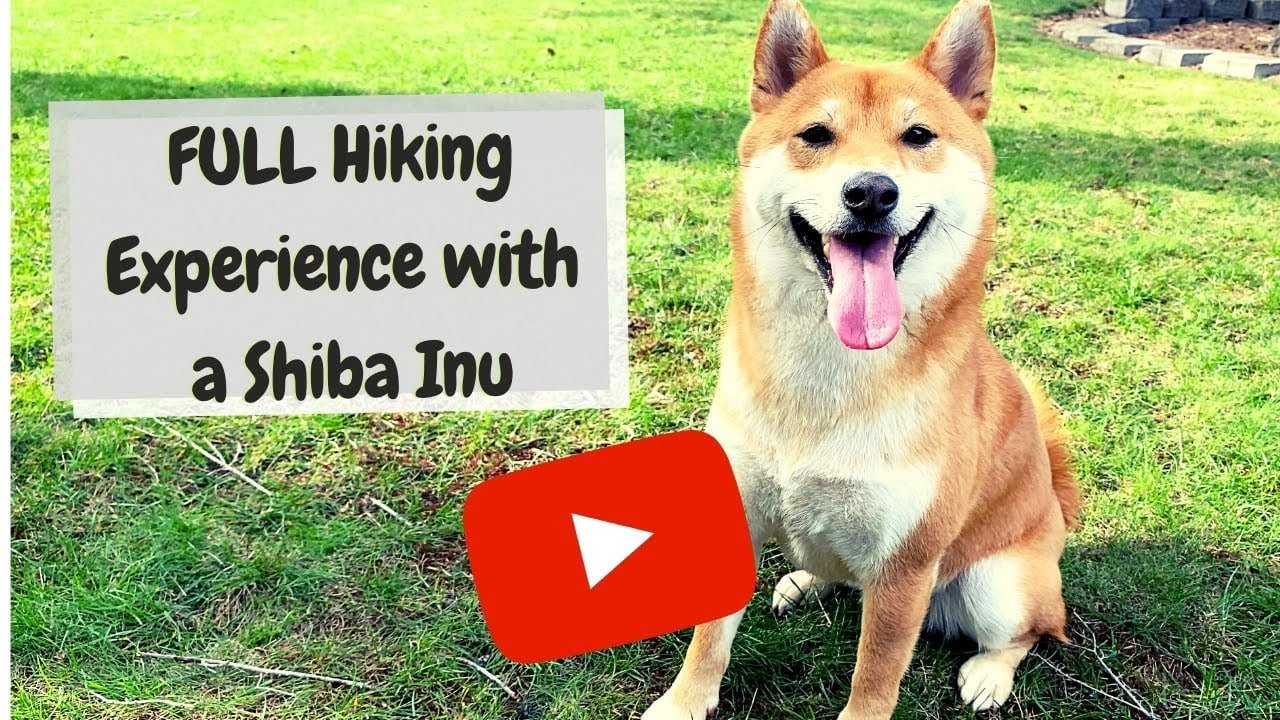
I watched Socks for the rest of that morning. The family toured the yard, handled some of the sled dogs, ate the granola bars they’d packed, and through all of it Socks stayed at the edge of things, moving in his own orbit, checking the perimeter, reading every dog in the yard with that silent Shiba inventory. He wasn’t warming up to the place. He was mapping it.
When they loaded back into the truck the mother said he’d done better than expected. I didn’t tell her he’d done exactly as expected. That he was precisely what he was, and what he was happened to fit the morning.
The cold had come up by then, the nose-cartilage kind, minus eighteen and dropping, and the prairie was doing its flat grey thing in every direction and the silence before an afternoon run has a texture out here, something between pressure and held breath, and every dog in my yard was facing into it with their ears forward. Built for it. Not baffled by it.
The Shiba Inu is not becoming a trail dog. It always was one. America just finally put it somewhere it could prove it.
The experts will catch up.

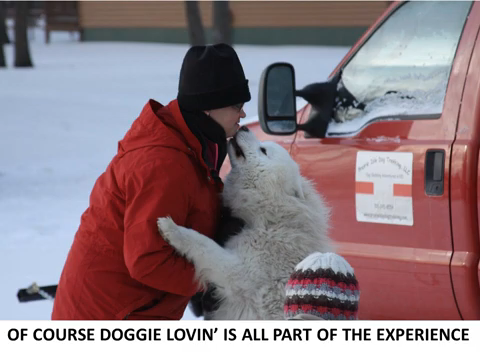
Helen L. Corlew runs a team of Samoyeds, Alaskan malamutes and Alaskan huskies. I am a Tellington TTouch practitioner and use this mode of work with training and living with my dogs.
Helen Corlew founded Prairie Isle Dog Trekking in Petersburg, North Dakota in 2010, and has spent the fifteen years since doing something most people only read about: teaching real dog sledding on real prairie terrain, at the edge of a landscape that doesn’t apologize for being difficult.
She is not a weekend enthusiast. She harnesses working dogs in January cold, trains handlers who have never touched a sled, and has built one of the only hands-on mushing education programs on the Northern Great Plains — from a single address on Highway 2, with no marketing budget and no shortcuts.
Her writing on Prairie Isle Dog Trekking reflects the same philosophy. Whether she is covering trail safety across the Rockies, breed behavior in extreme conditions, or what it actually takes to trek with a dog in the Alps, Helen writes from the position of someone who has done the work before writing the sentence.
She lives and runs dogs in Nelson County, North Dakota.
Kindly follow me on Social Media!