


Niko came in on three legs last January and I knew before I got to him which foot it was going to be. Right front. He always favors it when something’s wrong, holds it slightly higher than the others, and the way he was moving across the yard told me everything before I even crouched down. The pad had split. Not cracked, not worn thin. Split clean, deep enough that I could see the difference in color at the center of it, and he stood there letting me look at it with the patience of an animal that has decided the pain is just part of the situation.
I’ve seen this enough times that it doesn’t rattle me. What rattled me was that it happened on a short run, light conditions, trail I know well. I’d been watching the temperature and the snow composition and the distance. I’d done everything right, and still the ground found a way through.
The ground always finds a way through.
I see articles now, written for people who take their dogs into the Rockies, into real terrain with real consequence, and the framing is always the same. The headline promises a secret. A truth nobody’s talking about. What follows is a list of boots to buy and wax to apply and signs to watch for, all of it technically accurate, none of it sufficient. Because what the articles can’t package is the part that happens before the paw splits. The reading. The ongoing, never-finished work of knowing what the ground is asking of an animal before the animal tells you it’s already given too much.
Flat prairie is not mountain terrain. I know that. But cold and distance and hard surface are hard surface anywhere, and what I know about paws I know from repetition and consequence, not from gear.
The first thing I tell school groups when they come out is to watch the feet. Not the faces, not the tails, not the body language people learn from YouTube. The feet. A dog will communicate distress in its face too late. The feet tell you early, if you know what normal looks like, which means you have to establish normal before you can read the deviation. That takes time on the trail. Actual time. Not one trip, not a season of weekends. Accumulated hours during which you watch a specific animal move across specific surfaces until the way it carries itself becomes something you know in your own body.
A family came out two winters ago. Father had done serious hiking, knew terrain, was not a careless person. They had a young malamute, big and game and willing. Good dog. The father told me they’d done three trail days in Colorado that fall, mountain terrain, the dog had been fine. I asked how the pads looked afterward. He said fine. I asked if he’d checked. Not after every mile, but after every mile.
He hadn’t.

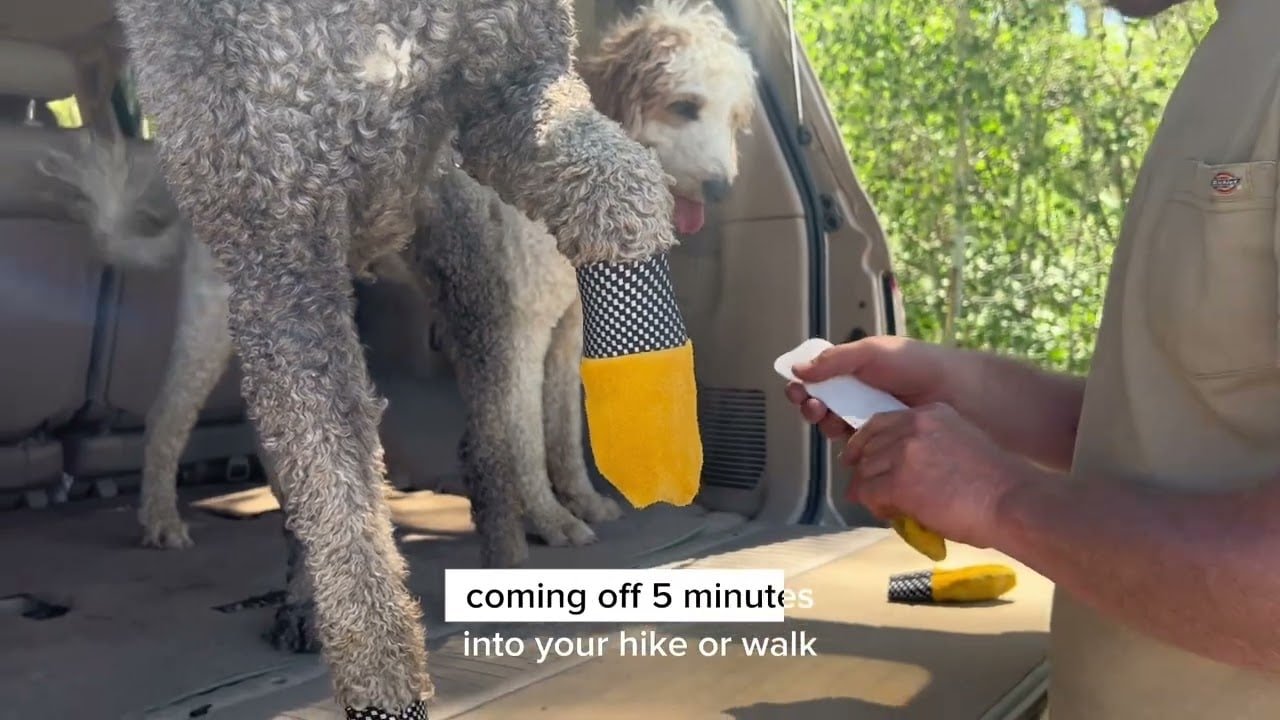
Not because he didn’t care. Because nobody told him the ground was keeping a running total that the dog wasn’t going to report until it was already significant.
The truth about paws on hard terrain is not that they’re fragile. Working dogs are not fragile. Niko ran that same trail again six weeks after the split, fully healed, no issue. Pads are resilient tissue, capable of conditioning and recovery. The truth is that they operate on a deficit system, accumulating small damage across a run, and the animal will keep working through that accumulation because working is what it does, because it is not built to stop and explain itself, because the tug line is taut and the team is moving and stopping would mean something is wrong with the world.
The dog will not tell you. That’s the whole of it. That’s the truth nobody wants to write the headline about because it doesn’t resolve into a product or a checklist. It resolves into attention, which is slow and unglamorous and doesn’t sell.
Minus twenty last Tuesday. The cold at that temperature does something different to the inside of your nose, sharp and immediate, a smell that isn’t quite a smell, and the team was moving well and I was watching feet the way I always watch feet, which is constantly, which is without thinking about it anymore, which took years to become automatic.
Niko was out front. Right foot landing clean.
The ground will always have opinions. The only variable is whether you’re paying attention before it makes them known.

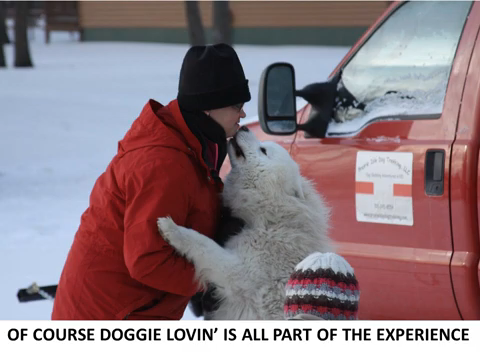
Helen L. Corlew runs a team of Samoyeds, Alaskan malamutes and Alaskan huskies. I am a Tellington TTouch practitioner and use this mode of work with training and living with my dogs.
Helen Corlew founded Prairie Isle Dog Trekking in Petersburg, North Dakota in 2010, and has spent the fifteen years since doing something most people only read about: teaching real dog sledding on real prairie terrain, at the edge of a landscape that doesn’t apologize for being difficult.
She is not a weekend enthusiast. She harnesses working dogs in January cold, trains handlers who have never touched a sled, and has built one of the only hands-on mushing education programs on the Northern Great Plains — from a single address on Highway 2, with no marketing budget and no shortcuts.
Her writing on Prairie Isle Dog Trekking reflects the same philosophy. Whether she is covering trail safety across the Rockies, breed behavior in extreme conditions, or what it actually takes to trek with a dog in the Alps, Helen writes from the position of someone who has done the work before writing the sentence.
She lives and runs dogs in Nelson County, North Dakota.
Kindly follow me on Social Media!


