
Which Way to Go
Kep went missing in February, just before a front came through, and I found him three days later sitting at the gate of the yard like he’d stepped out for cigarettes and come back when he was ready. Eleven miles. I know because I drove the route twice trying to figure out how he’d managed it, through country with no landmarks I could pick, no features I could use, just the particular gray sameness of prairie winter that makes experienced people turn around and second-guess themselves. Kep sat at the gate and looked at me like I was the one who’d been somewhere.
I thought about Kep when I read about the dog in Nevada.
One hundred and eighty miles of desert. Six weeks. The family had moved, which means the dog wasn’t navigating back to a place it knew. It was navigating to people. That’s the part that stops me. Not the distance, not the desert, not the heat. The fact that the destination was moving and the dog found it anyway.
Nobody has a clean explanation for that.
What I have is fifteen years of watching dogs do things that don’t fit inside the frameworks people hand me. Dogs read barometric pressure changes before my instruments do. Dogs know when someone on a team is about to make a mistake before the mistake happens. Marta, my lead dog for six years, would swing wide on a trail she’d run thirty times if the snow surface had changed overnight in a way I couldn’t yet see. She was right every time. I stopped second-guessing her by the second winter.
The people who covered the Nevada story kept using the word miracle. I understand why. It’s easier than sitting with what the dog actually did, which is something we can observe but not fully account for, and humans are not comfortable with that category. We want mechanism. We want GPS or scent cone or magnetic field sensitivity, some clean scientific sentence that makes the thing small enough to file away.
Dogs navigate. We know some of how. We don’t know all of how. That gap is not a miracle. It’s just an honest gap.

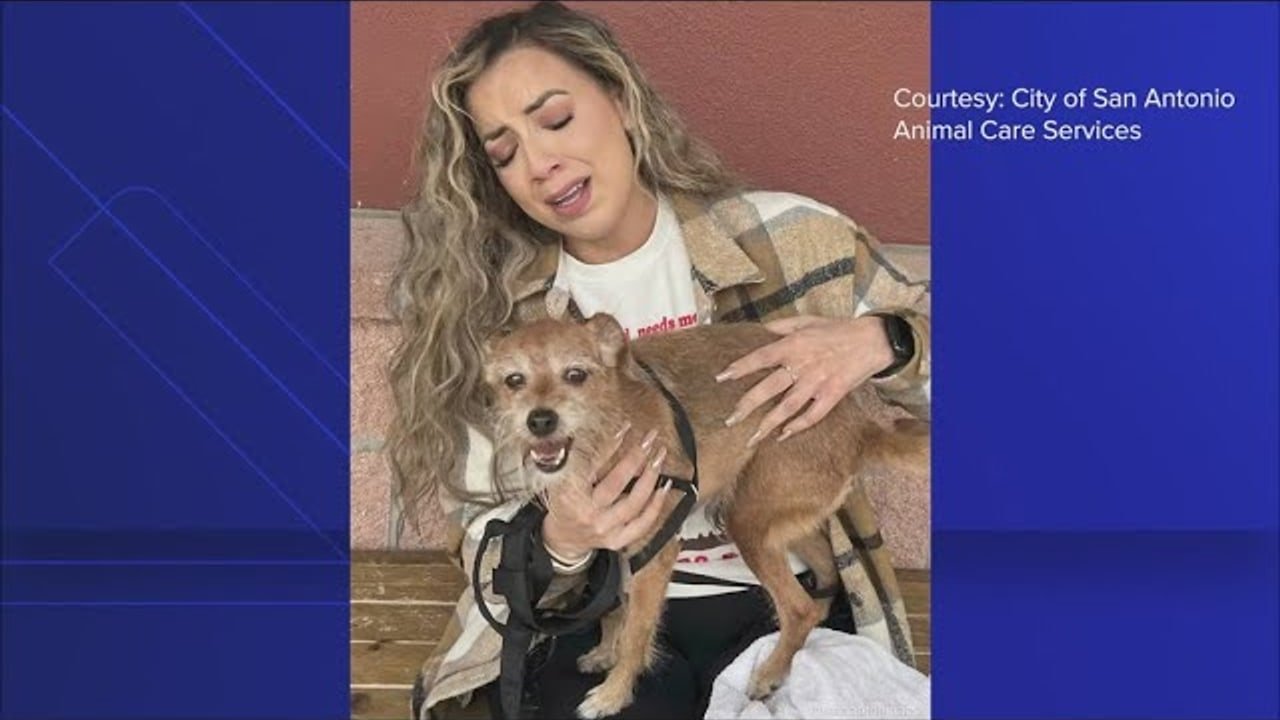
What bothers me about the coverage is what it asks the dog to be. It asks him to be devoted. It asks him to be a story about love conquering distance, family surviving separation, reunion as reward. And maybe that’s partly true. But a dog crossing 180 miles of Nevada desert is also hungry and thirsty and frightened on certain nights and making thousands of small decisions that have nothing to do with devotion and everything to do with survival and orientation. He was a dog doing dog things at a scale most dogs never have to. The love, if you want to call it that, was the direction. The rest was work.
I’ve watched dogs get separated from their teams in conditions that should have been disorienting and make it back anyway. I’ve watched dogs hold a line in a whiteout when I couldn’t see the dog in front of them. You stand on a sled in flat nothing, no horizon, no reference, cold burning the inside of your nose the specific way it does at minus twenty, not minus five, and you let the dogs work, and what you feel is not wonder exactly. It’s more like the particular humility of knowing you are the least capable thing in the system.
The Nevada dog made it back. That is real. The family is real. The 180 miles are real. I don’t need it to be a miracle and I don’t need it explained. I need people to look at what the dog actually did and let it be as large as it is, without shrinking it into a greeting card or inflating it into something supernatural.
Kep never acted like the eleven miles were remarkable. He ate, he slept, he was back in his position on the gangline the next morning like nothing had interrupted anything. That’s the thing about dogs. They don’t hold the story of what they did. They just come home and get back to work.
He was a good dog in hard country who knew which way to go.
That’s enough. That’s more than enough.

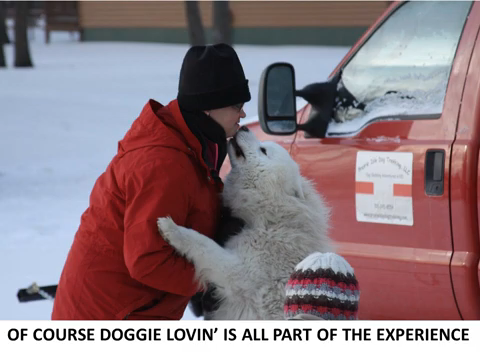
Helen L. Corlew runs a team of Samoyeds, Alaskan malamutes and Alaskan huskies. I am a Tellington TTouch practitioner and use this mode of work with training and living with my dogs.
Helen Corlew founded Prairie Isle Dog Trekking in Petersburg, North Dakota in 2010, and has spent the fifteen years since doing something most people only read about: teaching real dog sledding on real prairie terrain, at the edge of a landscape that doesn’t apologize for being difficult.
She is not a weekend enthusiast. She harnesses working dogs in January cold, trains handlers who have never touched a sled, and has built one of the only hands-on mushing education programs on the Northern Great Plains — from a single address on Highway 2, with no marketing budget and no shortcuts.
Her writing on Prairie Isle Dog Trekking reflects the same philosophy. Whether she is covering trail safety across the Rockies, breed behavior in extreme conditions, or what it actually takes to trek with a dog in the Alps, Helen writes from the position of someone who has done the work before writing the sentence.
She lives and runs dogs in Nelson County, North Dakota.
Kindly follow me on Social Media!