
The sound a dog makes when the tug line goes slack is not dramatic. It’s just an absence. One moment there’s tension in the line and the next there isn’t, and if you’ve run enough teams you feel it in your wrists before you hear anything, this small surrender of pressure, and you know without looking that something has changed.
Cato started making that sound in his twelfth year. Not on every run. Just sometimes, mid-stretch, when the cold was deep and the trail had been going a while, that slight give in the line that meant he was letting the younger dogs carry more of it. I didn’t pull him from the team immediately. I watched him for two weeks first. Watched how he moved coming out of the yard in the morning, how he ate, whether he was stiff getting up after a rest. He wasn’t suffering. He was just redistributing.
I read about the lab mix in Oregon last week, the one who just hit his 500th hike at fourteen. His owner, a retired teacher named Carol, had kept a log going back to when the dog was eight months old. Every trail, every date, weather notes. The piece was warm and the photos were good and the headline gave Carol the credit, the patient owner, the devoted companion, the woman who matched her pace to her dog’s for fourteen years.
Carol deserved the credit. But I kept thinking the headline had it backwards.
A fourteen-year-old dog who still wants to hike is not doing it because his owner is patient. He’s doing it because somewhere in the first few years of his life somebody paid close enough attention to know what he needed, and kept giving it to him, and the dog’s body remembered. That’s not patience. That’s accuracy. There’s a difference.
I have made the mistake of being patient when I should have been accurate. I ran a dog named Sloane past her useful age because she wanted to run, because she lined out every morning with the others and looked at me with that flat expectant stare that means she was ready, and I let wanting be enough. I was wrong to do that. Wanting is not the same as able, and a dog will want long after the body has filed a different opinion, and it is your job to read the body, not the wanting.
Sloane was fine. She retired sound and spent four years sleeping in the shed doorway and eating well and complaining about everything. But I got lucky, and luck is not a method.

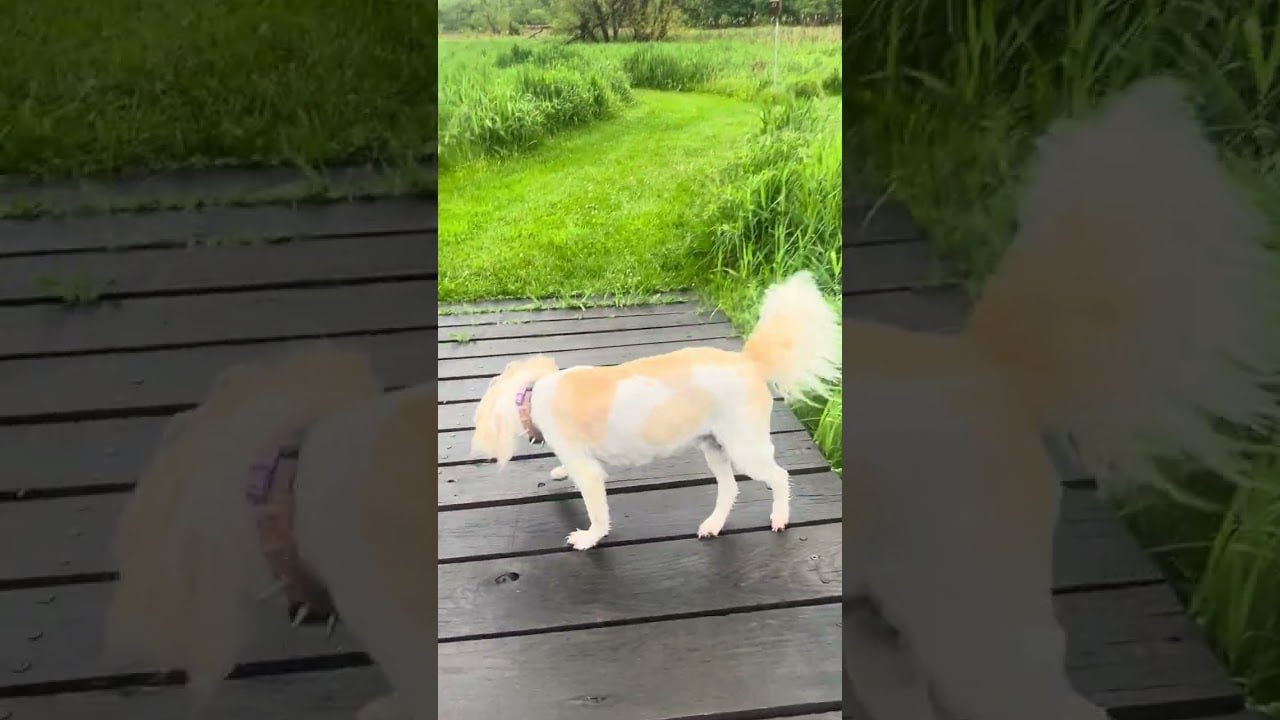
The Oregon lab, his name was Biscuit, had apparently slowed his pace so gradually over the years that Carol adjusted without noticing she’d adjusted. She told the reporter she didn’t hike differently than she always had. The reporter took that as sweetness. I took it as the highest possible compliment a dog can receive. He never asked for accommodation. He just changed the terms slowly enough that the accommodation built itself.
Out here the cold teaches you that kind of reading whether you want to learn it or not. Minus twenty and your hands stop working before you realize they’ve stopped, and you learn to check them before they tell you they need checking. You learn to look at a dog’s gait at the start of a run, not the middle, because by the middle a working dog has warmed into whatever is wrong and you’ve missed the window. You learn to read what isn’t being said yet.
A fourteen-year-old dog completing his 500th hike is a number. Behind the number is a thousand small decisions made correctly, mostly by the dog, and the owner present enough to follow. Carol didn’t lead Biscuit up those trails for fourteen years. She went with him. There’s a version of that sentence that sounds like a small distinction. It isn’t.
Cato ran with me until he was eleven, then walked with me until he was thirteen, then walked behind me until he was fourteen, and then one morning he stood at the yard gate and watched the team leave without him and went back to his box, and I let him, and that was right.
He knew before I did. They usually do.

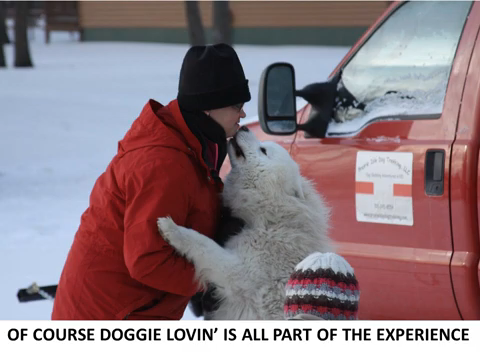
Helen L. Corlew runs a team of Samoyeds, Alaskan malamutes and Alaskan huskies. I am a Tellington TTouch practitioner and use this mode of work with training and living with my dogs.
Helen Corlew founded Prairie Isle Dog Trekking in Petersburg, North Dakota in 2010, and has spent the fifteen years since doing something most people only read about: teaching real dog sledding on real prairie terrain, at the edge of a landscape that doesn’t apologize for being difficult.
She is not a weekend enthusiast. She harnesses working dogs in January cold, trains handlers who have never touched a sled, and has built one of the only hands-on mushing education programs on the Northern Great Plains — from a single address on Highway 2, with no marketing budget and no shortcuts.
Her writing on Prairie Isle Dog Trekking reflects the same philosophy. Whether she is covering trail safety across the Rockies, breed behavior in extreme conditions, or what it actually takes to trek with a dog in the Alps, Helen writes from the position of someone who has done the work before writing the sentence.
She lives and runs dogs in Nelson County, North Dakota.
Kindly follow me on Social Media!