


The booties came out of a bag that cost more than my first sled. Neoprene, fleece-lined, with a reflective strip along the heel and a buckle closure I’d never seen before. The man holding them had driven up from Fargo and he was proud of them, the way people are proud of a thing they researched. He asked me to help him put them on Ringo before the run.
Ringo was a four-year-old lab mix, blocky and good-natured, and he stood there with the patience of a dog who had learned that humans do inexplicable things and the best response is stillness. The booties went on. The buckles clicked. The man stood up looking satisfied and Ringo immediately began lifting each foot in sequence, high-stepping in place like a cartoon, then sat down and removed one bootie with his teeth in under six seconds.
I didn’t laugh. I handed the bootie back and told the man his dog’s feet were fine and we’d keep an eye on them and the cold that day wasn’t going to be a problem. He seemed disappointed. He had prepared for a specific thing and the specific thing wasn’t needed.
REI just launched the biggest dog gear line in company history. Packs, sleeping pads, insulated jackets, collapsible bowls with carabiners, GPS collars with subscription plans, waterproof boots in seven sizes. The outdoor industry has watched pet spending climb for fifteen years and it has done what industries do when they see a number going up. The line is real. The market is real. What I’m not sure is real is the premise underneath all of it, which is that the gear is what was missing.
The harnesses I use are nothing you’d find in a retail store. Some of them are older than the business. The nylon gets stiff overnight in a hard freeze and in the morning when you lift them off the hooks they smell like cold storage and old work and they don’t look like anything you’d photograph. They work because the fit is right and the fit is right because I know the dog wearing it, know how it carries itself in cold versus mild, know where it compensates and where it’s strong.
Gear doesn’t know any of that. Gear is just gear.
What the REI line reveals, and this is not a criticism of REI, they’re selling what people are buying, is that American hiking culture has moved dogs to the center of the experience without moving dog knowledge anywhere at all. The dogs are there. The gear budget is there. The Instagram account documenting the whole thing is definitely there. The fifteen years of watching a dog’s body language in variable conditions is not there, and nobody is selling that, because it doesn’t fit in a cart.

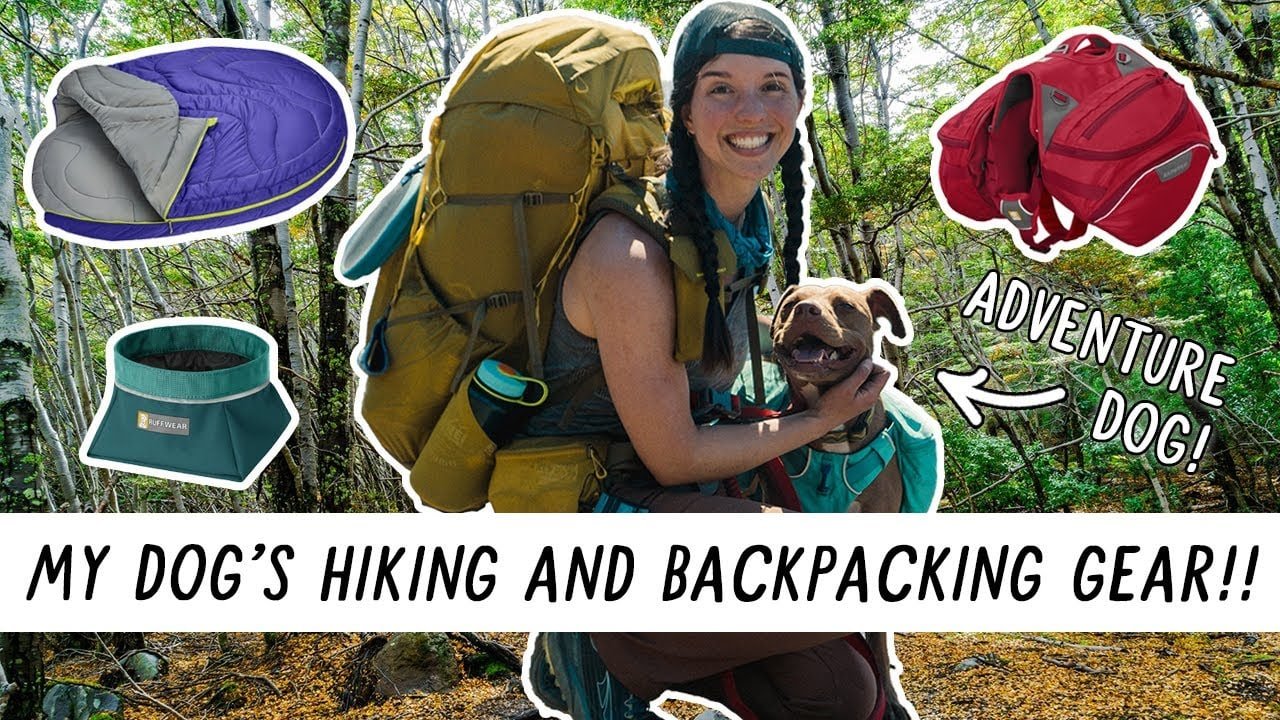
I’ve watched people show up here with two-hundred-dollar packs on their dogs and no idea whether the dog had ever been on a trail longer than a city block. The pack was fitted by someone at a store who measured the dog’s girth and called it good. The measurement was correct. The readiness of the animal for what was about to happen was a separate question that nobody asked.
Here is the thing about cold that people who don’t work in it don’t know. The danger isn’t the number on the thermometer. The danger is the gap between what you believe you’ve prepared for and what’s actually out there. Minus five feels survivable. Minus five with wind on flat exposed ground with two miles between you and the truck is a different equation. The gear that was sufficient in one scenario becomes a liability in the other if it gave you confidence you hadn’t earned.
A working dog in harness doesn’t care what the harness cost. The dog cares whether it fits and whether the person on the other end of the gangline is paying attention. Those are the two variables that matter. They have always been the two variables that matter.
There’s nothing wrong with good equipment. I’m not saying that. Boots matter in the right conditions. Insulation matters. A well-fitted pack matters. But equipment is the last thing on the list, not the first, and the list starts with knowing the animal you’re taking out and knowing the ground you’re taking it onto.
REI can’t sell you that. Nobody can.
The dogs were ready before the gear existed. The question was always whether the people were.

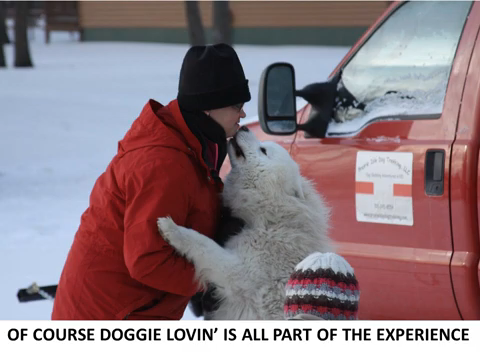
Helen L. Corlew runs a team of Samoyeds, Alaskan malamutes and Alaskan huskies. I am a Tellington TTouch practitioner and use this mode of work with training and living with my dogs.
Helen Corlew founded Prairie Isle Dog Trekking in Petersburg, North Dakota in 2010, and has spent the fifteen years since doing something most people only read about: teaching real dog sledding on real prairie terrain, at the edge of a landscape that doesn’t apologize for being difficult.
She is not a weekend enthusiast. She harnesses working dogs in January cold, trains handlers who have never touched a sled, and has built one of the only hands-on mushing education programs on the Northern Great Plains — from a single address on Highway 2, with no marketing budget and no shortcuts.
Her writing on Prairie Isle Dog Trekking reflects the same philosophy. Whether she is covering trail safety across the Rockies, breed behavior in extreme conditions, or what it actually takes to trek with a dog in the Alps, Helen writes from the position of someone who has done the work before writing the sentence.
She lives and runs dogs in Nelson County, North Dakota.
Kindly follow me on Social Media!


