


The kennel smelled of hay and dog and the diesel tang of a generator running four days in minus-fifteen air. I was checking feet on my lead pair when the first news out of Mat-Su came through on my phone. I read the number twice before I believed it. Twenty-five dogs dead at a kennel north of Willow, and mushers in the area had been calling borough animal control for months.
The Mat-Su case is not a surprise to anyone who works in this community. Mushers near Willow had been raising the alarm with Mat-Su Borough officials for months with no meaningful response. Twenty-five dogs were dead by the time anyone with authority walked onto that property.
Twenty-five.
Misty Rehder now faces more than two dozen felony animal cruelty charges. A public petition demanding a lifetime animal ownership ban has passed sixteen thousand signatures. Mat-Su Borough has since announced it will hire an outside investigator to review its enforcement actions. None of that brings back those dogs.
What I want to say plainly is what actually happens inside a kennel when a musher stops maintaining her team. It does not happen overnight, and it does not happen invisibly. Dogs lose condition in a sequence that begins weeks before any animal looks critically ill to an untrained eye. A coat goes dull, a topline shows, a dog pulling strong last month now loads differently in harness.
Anyone walking onto that property would have seen these signs. Any working musher who went in would have identified the problem within five minutes. The people calling animal control were not wrong about what they were seeing. They were just calling the wrong office.
Here is what makes this case genuinely enraging beyond the deaths themselves. Sled dog kennels in Alaska operate in a regulatory gap that most of the public does not know exists. Racing kennels registered with the Iditarod or Yukon Quest face welfare standards, but only during the competitive season and only for registered participants. A kennel outside that structure has no mandatory inspection schedule.
Mat-Su Borough animal control is a general service built to handle domestic pet complaints. It does not have the expertise to assess twenty working dogs in winter housing conditions. The officers who failed to act were not necessarily malicious. They were unequipped for exactly the kind of evaluation those calls required.

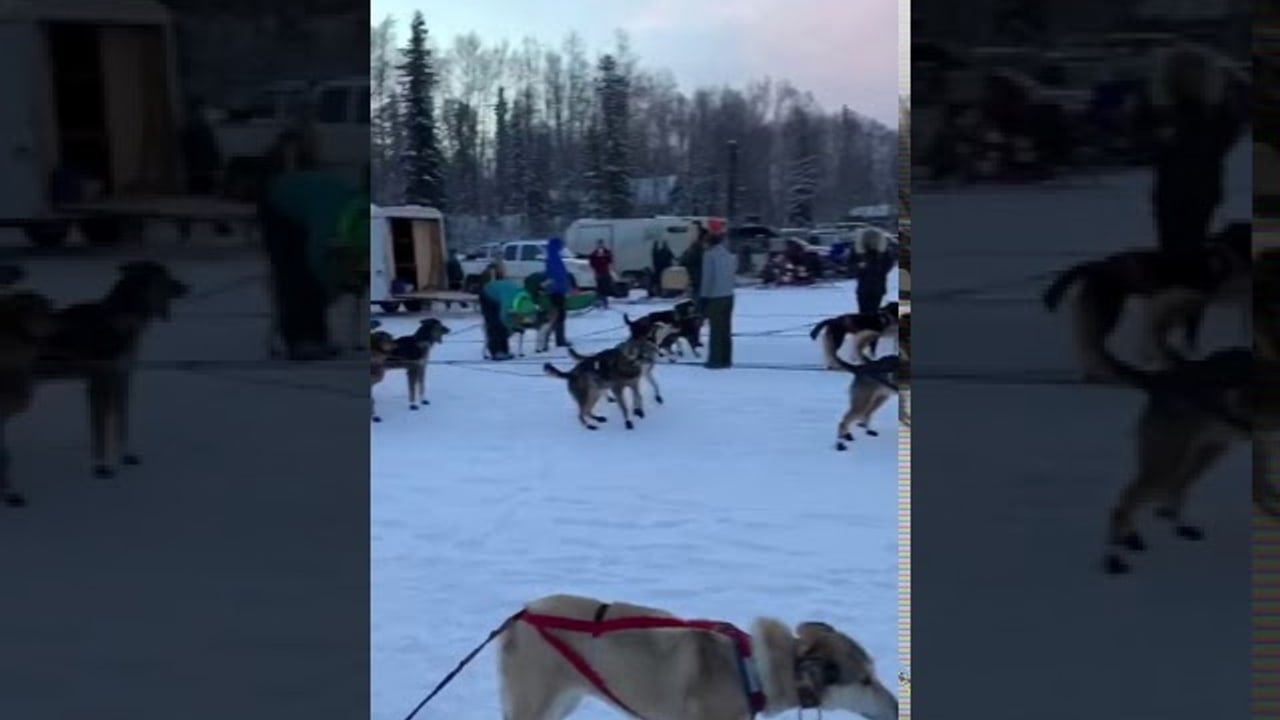
I use Tellington TTouch with every dog in my team before and after every serious run. Last December a dog who looked completely normal in the yard flinched hard at the thoracic junction during a body check. I took her straight to the vet and she had an inflammatory response developing that would have ended her season inside two more training days. That is what reading a dog’s body actually produces when you do it consistently.
What I see from recreational trekking accounts is almost never about the dog’s internal experience. It is about the sled, the light, the distance covered. That framing trains handlers to be competent with equipment and poor at reading the animal in front of them. That gap is not a small risk.
The mushing community’s anger at Mat-Su Borough is completely legitimate. Those calls should have triggered a welfare inspection within days. The decision to hire an outside investigator is correct and months too late. Twenty-five dogs too late.
But I also want the community to hold something harder. We allowed a general enforcement system that was never designed for working dog kennels to be the only mechanism available. We did not build our own regional welfare network with real authority and real expertise. We relied on informal standards and community reputation, and that reliance has a body count now.
The Iditarod put out a statement when this case became public. It was measured. It was not accompanied by any announcement of a mandatory welfare inspection programme for kennels in its registered community. That absence is part of the problem.
Until something structural changes, Mat-Su is not an aberration. It is what happens when a community assumes its informal culture is sufficient oversight.
Build the mechanism your community actually needs, or keep making phone calls that go nowhere while dogs die.

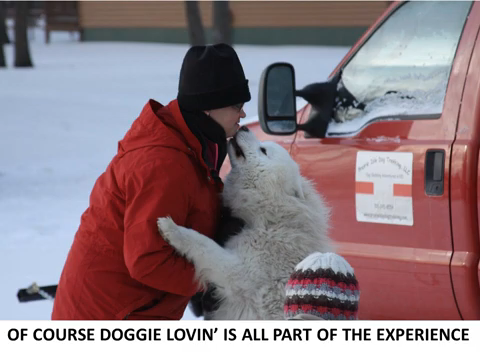
Helen L. Corlew runs a team of Samoyeds, Alaskan malamutes and Alaskan huskies. I am a Tellington TTouch practitioner and use this mode of work with training and living with my dogs.
Helen Corlew founded Prairie Isle Dog Trekking in Petersburg, North Dakota in 2010, and has spent the fifteen years since doing something most people only read about: teaching real dog sledding on real prairie terrain, at the edge of a landscape that doesn’t apologize for being difficult.
She is not a weekend enthusiast. She harnesses working dogs in January cold, trains handlers who have never touched a sled, and has built one of the only hands-on mushing education programs on the Northern Great Plains — from a single address on Highway 2, with no marketing budget and no shortcuts.
Her writing on Prairie Isle Dog Trekking reflects the same philosophy. Whether she is covering trail safety across the Rockies, breed behavior in extreme conditions, or what it actually takes to trek with a dog in the Alps, Helen writes from the position of someone who has done the work before writing the sentence.
She lives and runs dogs in Nelson County, North Dakota.
Kindly follow me on Social Media!


