

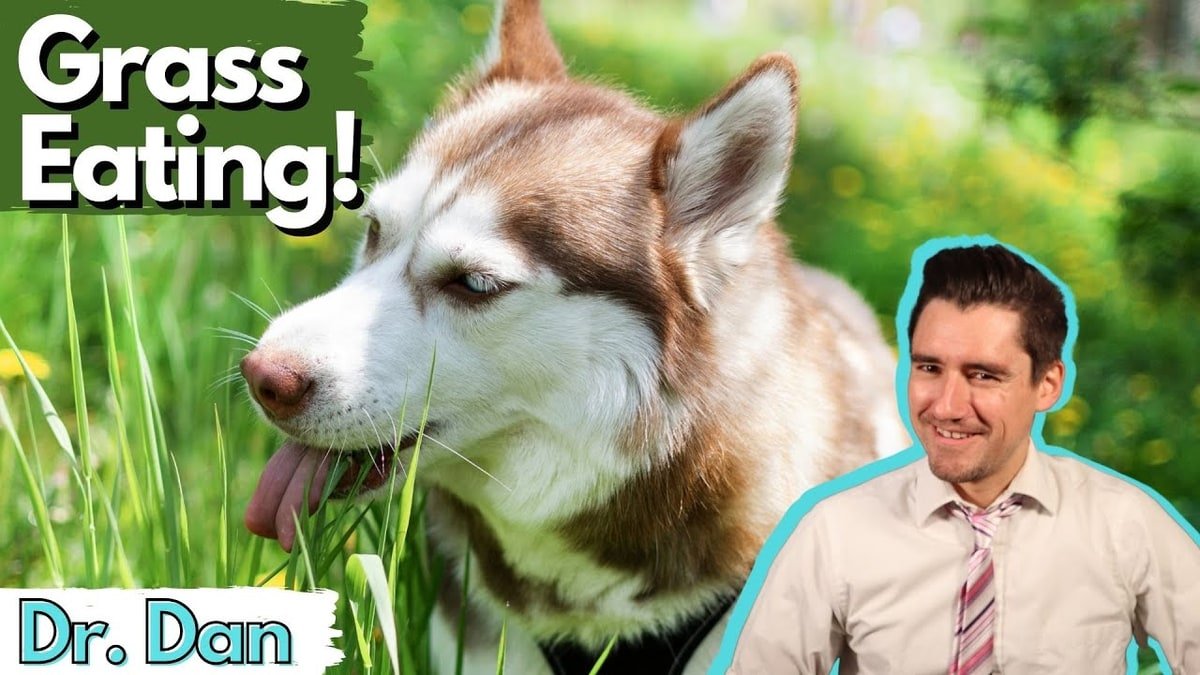
Dogs eat grass because of instinct, fiber needs, boredom, or simple enjoyment. It is one of the most common dog behaviors observed by veterinarians and is considered normal in most cases. Research shows fewer than 10% of dogs are sick before eating grass, and less than 25% vomit afterward.
For related reading, see Dog Poop Guide: Eating It, Colour Changes, Worms, and Cleanup (2026).
Is It Normal for Dogs to Eat Grass?
Grass eating is normal dog behavior. Most veterinarians do not consider it a cause for concern. The behavior has been observed in wild dogs and wolves, suggesting it is instinctive rather than a sign of illness.
Pica is the technical term for eating non-food items. Grass-eating is a mild form of pica and is one of its least harmful expressions in dogs.
How Common Is Grass Eating in Dogs?
Grass eating is extremely common. A 2008 UC Davis study found that 79% of dogs with regular access to plants had eaten them at some point. A follow-up survey of more than 1,500 dog owners found that 68% of dogs grazed on grass daily or weekly. Grass is the most commonly eaten plant by dogs across all breeds and ages.
Why Do Dogs Eat Grass? The 6 Main Reasons
There are 6 main reasons dogs eat grass:
- Instinct. Dogs evolved from wolves, whose stomach contents contain 2 to 10% plant material. Wild canids, including wolves, jackals, and coyotes, are all observed eating grass. Modern dogs may retain this ancestral behaviour.
- Fiber need. Grass is high in fiber. Dogs need roughage to support digestion and regular bowel movements. A fiber deficiency can lead dogs to seek it out in grass. One documented case involved an 11-year-old Miniature Poodle that had a 7-year history of eating grass and vomiting. The behavior resolved completely after the dog was switched to a high-fiber commercial diet.
- Nutrient seeking. Grass contains magnesium and nitrogen. Dogs may graze when their diet lacks specific minerals. Ohio State University researchers note that both dogs and cats eat grass primarily to obtain fiber and nutrients.
- Enjoyment. According to Carlo Siracusa, professor of clinical small animal behaviour at the University of Pennsylvania, most dogs eat grass simply because they enjoy it. Dogs tend to prefer moist, long-stemmed grass, particularly the tender growth found early in the morning.
- Boredom or stress. Dogs with limited mental stimulation use grass-chewing to pass time. This is more common in puppies and younger dogs left alone in a yard for extended periods.
- Parasite expulsion. One ecological theory proposes that grass consumption helps wild canids expel intestinal worms. The fibrous strands of grass wrap around parasites and carry them out in droppings. Wild canid droppings often contain long strands of plant material with parasites present. This theory has not been conclusively proven in domestic dogs.
Do Dogs Eat Grass Because They Are Sick?
The evidence does not support the idea that most dogs eat grass to treat illness. Fewer than 10% of dogs show signs of illness before eating grass, according to owner surveys reviewed by WebMD and VCA Animal Hospitals. The self-medication theory also assumes dogs make deliberate decisions to relieve nausea, which has not been proven. Grass eating before illness is the exception, not the rule.
What Does It Mean When a Dog Keeps Eating Grass?
A dog that keeps eating grass daily or in large quantities is likely seeking fiber, experiencing boredom, or acting on instinct. It does not typically signal serious illness. However, compulsive or obsessive grass eating, where the dog appears distressed or cannot be redirected, warrants a veterinary assessment.
Can a Nutritional Deficiency Cause Dogs to Eat Grass?
A nutritional deficiency can cause dogs to eat grass. Grass contains fiber, magnesium, and nitrogen. Dogs on low-fiber diets are more likely to seek these nutrients from grass. Adding dog-safe fiber sources to the diet can reduce or eliminate the behavior. Suitable options include steamed green beans, carrots, and spinach. Consult a veterinarian before making significant dietary changes.
Why Do Dogs Eat Grass and Vomit?
Some dogs eat grass and vomit because the grass irritates the stomach lining, triggering a gag reflex. This does not mean the dog ate grass in order to vomit. VCA Animal Hospitals confirm that less than 25% of dogs vomit regularly after grazing, meaning the majority do not. Occasional vomiting after grass eating is generally self-resolving and not harmful on its own.
Should You Be Worried If Your Dog Vomits After Eating Grass?
Occasional vomiting after grass eating does not require immediate veterinary attention. Concern is warranted when vomiting occurs every time the dog eats grass, particularly if it happens daily. Vomiting paired with diarrhea, lethargy, or loss of appetite indicates a need for a veterinary exam. Persistent vomiting after grass eating may point to an underlying condition such as gastric reflux, inflammatory bowel disease, or pancreatitis.
Is It OK for Dogs to Eat Grass?
Grass eating is safe under 2 conditions: the grass is untreated and the dog is not consuming it in excessive quantities. Grass itself is not toxic to dogs. The risks associated with grass eating come from what is on or in the grass, not the grass itself.
What Are the Risks of Dogs Eating Grass?
There are 4 main risks associated with dogs eating grass:
- Pesticides and herbicides. Grass treated with lawn chemicals can cause poisoning. Symptoms include repeated vomiting, diarrhea, drooling, lethargy, rapid heartbeat, and difficulty breathing. Contact a veterinarian immediately if chemical exposure is suspected.
- Intestinal parasites. Grass contaminated with feces from other animals can carry roundworm and hookworm eggs. Ingesting these can cause malnutrition, weight loss, and diarrhea. Regular parasite prevention reduces this risk.
- Grass awns. Grass awns, also called foxtails, are sharp grass seeds that can lodge in a dog's ears, paws, eyes, and skin, causing infection and abscess. Veterinary insurer Trupanion recorded over 1,300 foxtail-related claims in 2024, with an average payout of $211 per claim. Surgical removal can cost between $1,000 and $3,000, with the highest single claim in 2024 reaching $8,375.
- Intestinal blockage. Consuming large amounts of grass at once increases the risk of intestinal blockage, a potentially life-threatening condition requiring urgent veterinary care.
| Risk | Severity | Action Required |
|---|---|---|
| Untreated grass | Low | None, monitor normally |
| Pesticide-treated grass | High | Contact vet immediately |
| Grass awns / foxtails | Moderate to high | Check paws, ears, and skin after outdoor time |
| Intestinal parasites | Moderate | Maintain regular parasite prevention |
| Large quantity consumption | Moderate | Monitor for bloating or blockage signs |
Should I Let My Dog Eat Grass?
Occasional grass eating from a safe, untreated area is acceptable. Do not allow dogs to graze on lawns treated with pesticides, herbicides, or fertilizers. Avoid allowing dogs to eat grass in public areas where the treatment history is unknown or where other animals have defecated.
If the behavior is frequent, increase dietary fiber through food rather than attempting to stop it. A high-fiber commercial dog food has been shown to reduce grass-eating in dogs with fiber deficiency. Provide additional mental stimulation through puzzle toys, regular exercise, and social interaction to reduce boredom-driven grazing.
How Do I Stop My Dog from Eating Grass?
There are 3 practical steps to reduce grass eating in dogs:
- Increase dietary fiber. Add steamed green beans, carrots, or spinach to meals, or switch to a higher-fiber commercial dog food. Consult a vet before dietary changes.
- Increase exercise and mental stimulation. Boredom is a common driver. More physical activity and puzzle-based play reduce the behaviour in younger dogs.
- Redirect during walks. Use a firm verbal cue and redirect attention with a toy or treat when the dog approaches grass to graze.
When Should I Call the Vet About My Dog Eating Grass?
Contact a veterinarian in these 6 situations:
- The dog shows signs of illness, such as abdominal discomfort, bloating, or lethargy, before eating grass.
- Vomiting occurs every time the dog eats grass, particularly on a daily basis.
- Vomiting after grass eating is accompanied by diarrhea, blood, or extreme fatigue.
- The dog has eaten grass from an area treated with pesticides or herbicides.
- Grass eating is obsessive, compulsive, or occurring in very large quantities.
- Swelling, discharge, or persistent licking appears at the paws, ears, or skin following outdoor time in long grass.
Signs of pesticide poisoning require immediate emergency veterinary care. These include repeated vomiting, fainting, rapid breathing, and seizures.

Helen L. Corlew runs a team of Samoyeds, Alaskan malamutes and Alaskan huskies. I am a Tellington TTouch practitioner and use this mode of work with training and living with my dogs.
Helen Corlew founded Prairie Isle Dog Trekking in Petersburg, North Dakota in 2010, and has spent the fifteen years since doing something most people only read about: teaching real dog sledding on real prairie terrain, at the edge of a landscape that doesn’t apologize for being difficult.
She is not a weekend enthusiast. She harnesses working dogs in January cold, trains handlers who have never touched a sled, and has built one of the only hands-on mushing education programs on the Northern Great Plains — from a single address on Highway 2, with no marketing budget and no shortcuts.
Her writing on Prairie Isle Dog Trekking reflects the same philosophy. Whether she is covering trail safety across the Rockies, breed behavior in extreme conditions, or what it actually takes to trek with a dog in the Alps, Helen writes from the position of someone who has done the work before writing the sentence.
She lives and runs dogs in Nelson County, North Dakota.
Kindly follow me on Social Media!
