

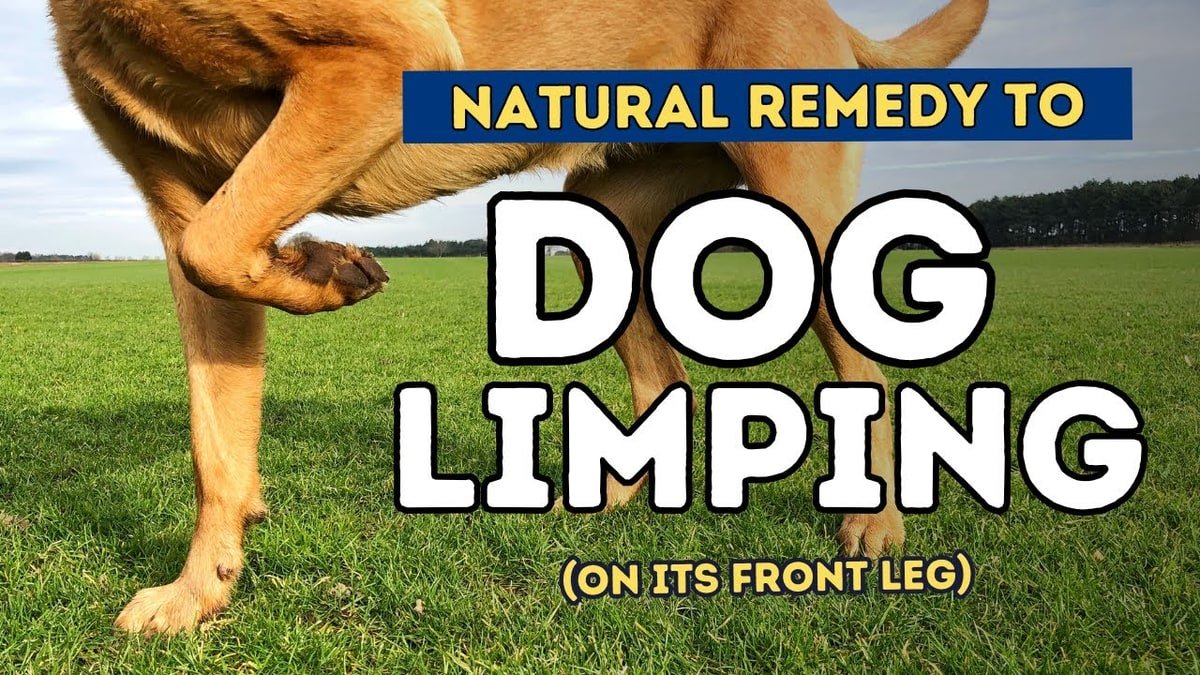
A dog limping on its front leg is showing a sign of pain or discomfort in that limb. Dogs carry approximately 60% of their body weight on their front legs, making front leg limping more immediately disabling than back leg limping in most cases. The cause ranges from a minor paw pad cut to a fracture, joint disease, or bone tumor.
For related reading, see Low Phosphorus Dog Food: 6 Therapeutic Diet Types and When Each Applies.
Is My Dog's Limping an Emergency?
For veterinary context, see this reliable source.
The first step when a dog starts limping is assessing severity. Use the 3-level triage below.
| Severity | Signs | Action |
|---|---|---|
| Emergency | Refuses all weight bearing, visible bone or deformity, uncontrolled bleeding, crying out when touched, panting and trembling | Call an emergency vet immediately |
| Urgent | Limping persists more than 24 hours, swollen joint, limping worsens after rest, paw pad deeply cut or torn | See a vet within 24 to 48 hours |
| Monitor at home | Brief limp after exercise that resolves in under 30 minutes, minor surface paw abrasion, mild favoring that improves with rest | Rest the dog and monitor for 12 to 24 hours |
Never give a dog human pain medications such as ibuprofen, aspirin, or acetaminophen. These are toxic to dogs, particularly when dosed incorrectly.
What Does Severity of Dog Limping Look Like?
There are 3 observable grades of limping in dogs:
- Grade 1 (mild): the dog bears weight on the leg but favors it. The limp is visible during walking but the dog can still move.
- Grade 2 (moderate): the dog partially bears weight. The leg touches the ground during slow movement but is lifted during faster movement.
- Grade 3 (severe): the dog holds the leg completely off the ground and refuses to put any weight on it.
Grade 3 limping always requires veterinary assessment. Grade 1 limping that does not resolve within 24 hours also warrants examination.
Why Is My Dog Limping on the Front Leg?
Front leg limping in dogs has 10 main causes, ranging from minor injuries to serious conditions requiring surgery.
| Cause | Onset | Age Most Affected | Notes |
|---|---|---|---|
| Paw pad cut or foreign object | Sudden | Any | Most common minor cause; check paws first |
| Sprain or muscle strain | Sudden or gradual | Any | After vigorous play or exercise |
| Fracture or dislocation | Sudden | Any | Requires emergency care |
| Elbow dysplasia | Gradual | Young, large breeds | Developmental joint abnormality |
| Osteochondritis dissecans (OCD) | Gradual | Young, large breeds | Cartilage problem in shoulder joint |
| Shoulder instability | Gradual | Adult, active breeds | Ligament laxity in shoulder |
| Carpal hyperextension | Sudden | Adult, active | Carpus (wrist) joint collapses under force |
| Panosteitis | Gradual or intermittent | Young large breeds, 6-18 months | "Growing pains," moves between legs |
| Osteoarthritis | Gradual | Older dogs | Worsens after rest, improves with mild exercise |
| Osteosarcoma | Gradual, severe | Large breeds, middle-aged to senior | Bone cancer; rare but serious |
Thorns, glass, stones, or splinters lodged between paw pads are among the most frequent causes of sudden front leg limping. Check the paw first before assuming a joint or bone issue.
What Causes Front Leg Limping in Specific Situations?
3 situations help narrow the cause:
- Limping started immediately after outdoor exercise or a walk: suspect a paw pad injury or foreign object between the toes.
- Limping started after jumping or rough play: suspect a sprain, strain, or fracture, particularly if there was an audible yelp or popping sound.
- Limping is gradual and worsens over weeks: suspect a degenerative condition such as arthritis, elbow dysplasia, or in older large-breed dogs, osteosarcoma.
Why Is My Dog Limping on the Back Leg?
Back leg limping in dogs has 4 main causes. The most common is a cranial cruciate ligament (CCL) tear, which is the canine equivalent of a human ACL injury. CCL tears are the most frequently seen orthopedic problem in dogs, according to veterinary orthopaedic specialists at the University of Illinois College of Veterinary Medicine.
| Cause | Leg Affected | Onset | Key Sign |
|---|---|---|---|
| CCL (ACL) tear | Hind leg | Sudden or gradual | Hind leg lameness, sits with leg extended outward |
| Hip dysplasia | Hind leg | Gradual | Swaying gait, difficulty rising |
| Luxating patella | Hind leg | Sudden, intermittent | Kneecap pops out; dog skips a step |
| Lumbosacral disease | Both hind legs | Gradual | Weakness across both back legs, difficulty rising |
What Are the Symptoms of a Dog ACL (CCL) Tear?
A dog ACL tear, correctly called a cranial cruciate ligament (CCL) rupture, produces 7 recognisable symptoms:
- Sudden lameness in one hind leg, often the first sign owners notice
- Intermittent limping that worsens after exercise and improves briefly with rest
- Sitting with the affected leg extended outward rather than tucked underneath
- Swelling on the inside of the knee (stifle) joint
- Muscle atrophy in the affected leg from reduced use
- Reluctance to jump, climb stairs, or rise from lying down
- Clicking or popping sound from the knee joint, which may indicate a secondary meniscal tear
Unlike ACL injuries in humans, which are typically caused by acute trauma, CCL tears in dogs occur most often due to gradual ligament degeneration, according to Colorado State University Veterinary Teaching Hospital. The degeneration is driven by genetics, age, and body weight. Trauma can accelerate an existing weak ligament but is rarely the sole cause.
Research shows that approximately 50% of dogs that rupture the CCL in one leg will develop the same injury in the opposite leg within 1 to 2 years.
If left untreated, the joint instability causes bone spurs, chronic arthritis, and permanent loss of range of motion. This progression is more severe in dogs weighing over 30 pounds. Conservative (non-surgical) management is typically reserved for dogs under 30 pounds with partial tears only.
Which Dog Breeds Are Most at Risk for CCL Tears?
6 dog breeds carry the highest risk of CCL rupture:
- Labrador Retrievers (a genetic test is now available for this breed)
- German Shepherds
- Golden Retrievers
- Rottweilers
- Newfoundlands
- St. Bernards
Large breed dogs over 4 years of age are most commonly affected. Obesity significantly increases risk in all breeds by increasing the mechanical load on the knee joint.
Why Is My Dog Limping But Not Showing Pain?
A dog limping but appearing comfortable is not necessarily pain-free. Dogs instinctively suppress visible pain signals, an evolutionary trait that hides vulnerability. Reluctance to bear weight is itself a reliable indicator of pain, even without vocalisation.
There are 2 patterns where limping without obvious distress is common:
- Gradual-onset limping: the dog has adapted to slow-developing pain, such as from osteoarthritis or early CCL degeneration. The dog appears normal at rest but compensates during movement.
- After-exercise limping: mild limping appears 30 to 60 minutes after activity and then resolves. This is typical of early-stage joint disease or soft tissue injury that warms up during movement and stiffens afterward.
A dog with a partial CCL tear may seem normal in the morning and visibly lame after a walk. Colorado State University veterinarians note that dogs with partial tears often do not sit "square" anymore, placing the affected leg out to the side. This subtle sign can precede obvious lameness by weeks.
Any limp that persists beyond 24 hours, regardless of apparent pain level, requires veterinary examination.
What Should I Do for a Dog Paw Cut or Pad Injury?
A dog paw pad cut is a common cause of sudden limping and ranges from a minor surface abrasion to a deep laceration requiring veterinary care. VCA Animal Hospitals confirm that torn paw pads do not hold stitches well, making them slow to heal. Walking on an injured pad reopens the wound and delays healing, and infection risk is high due to constant ground contact.

How to Do First Aid on a Dog Paw Pad Cut
Follow these 5 steps before reaching a vet:
- Keep the dog calm. A painful dog may bite even a familiar person. If the dog does not allow you to examine the paw, do not force it.
- Clean the wound. Swish the paw in clean cool water or flush gently with a hose to remove debris. For small, visible foreign objects such as thorns or splinters, remove carefully with tweezers. Do not attempt to remove deeply embedded objects.
- Control bleeding. Apply gentle pressure with a clean non-stick gauze pad. Minor wounds should stop bleeding within 5 to 10 minutes.
- Bandage the paw loosely. Wrap with gauze and then a light layer of self-adhesive bandage to keep the wound clean and prevent licking. Do not wrap tightly.
- Restrict movement. Keep the dog rested on a clean surface until veterinary assessment.
Do not allow the dog to lick the wound. Licking introduces bacteria from the mouth and significantly increases infection risk. Use an Elizabethan collar if necessary.
When Does a Dog Paw Pad Injury Need a Vet?
A paw pad injury requires veterinary care when any of these 5 signs are present:
- Bleeding does not stop after 10 to 15 minutes of direct pressure
- The cut is deep, ragged, or has a visible flap of separated pad tissue
- A foreign object is lodged deeply and cannot be safely removed at home
- Signs of infection develop: swelling, warmth, cloudy or coloured discharge, or foul odour from the wound
- The dog develops a fever, becomes lethargic, or stops eating after a paw injury
Minor paw abrasions heal within a few days to a week with proper care. Deep lacerations and burns can take several weeks. Healing is significantly delayed if the dog continues to walk on the injured pad without protection.
What Will a Vet Do for a Limping Dog?
A veterinarian examines a limping dog using 4 main diagnostic approaches:
- Physical examination: assessing range of motion, joint stability, pain response on palpation, and gait analysis
- X-ray (radiograph): identifies fractures, bone disease, arthritis, and joint abnormalities
- Orthopaedic tests: including the drawer sign test for CCL tears, in which the vet checks whether the tibia slides abnormally forward relative to the femur
- Advanced imaging: MRI or CT scan for soft tissue injuries not visible on X-ray, used for suspected ligament, tendon, or cartilage damage
For CCL tears, surgical repair is the standard of care for dogs over 30 pounds. The 2 most common surgical procedures are TPLO (tibial plateau levelling osteotomy) and TTA (tibial tuberosity advancement). Both aim to stabilise the knee joint without relying on the ruptured ligament. Recovery from TPLO surgery typically takes 8 to 12 weeks of controlled rehabilitation.
How Long Does Dog Limping Last?
Recovery time depends on the cause:
| Cause | Expected Recovery Time | Treatment |
|---|---|---|
| Minor paw abrasion | 3 to 7 days | Home care and rest |
| Deep paw pad laceration | 2 to 6 weeks | Veterinary wound care, bandaging |
| Muscle sprain or strain | 1 to 3 weeks | Rest and anti-inflammatories |
| Fracture | 6 to 12 weeks | Splinting, casting, or surgery |
| CCL tear (non-surgical, small dogs) | 3 to 6 weeks for initial improvement | Strict rest, physiotherapy |
| CCL tear (post-TPLO surgery) | 8 to 12 weeks | Structured rehabilitation |
| Osteoarthritis | Ongoing management | Weight control, medication, physiotherapy |
A limping dog that does not improve within 24 to 48 hours of rest, or that worsens progressively, requires veterinary assessment regardless of the suspected cause.
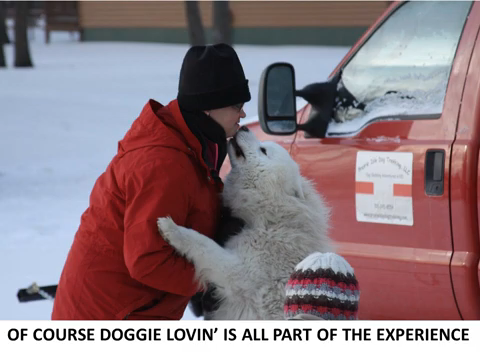
Helen L. Corlew runs a team of Samoyeds, Alaskan malamutes and Alaskan huskies. I am a Tellington TTouch practitioner and use this mode of work with training and living with my dogs.
Helen Corlew founded Prairie Isle Dog Trekking in Petersburg, North Dakota in 2010, and has spent the fifteen years since doing something most people only read about: teaching real dog sledding on real prairie terrain, at the edge of a landscape that doesn’t apologize for being difficult.
She is not a weekend enthusiast. She harnesses working dogs in January cold, trains handlers who have never touched a sled, and has built one of the only hands-on mushing education programs on the Northern Great Plains — from a single address on Highway 2, with no marketing budget and no shortcuts.
Her writing on Prairie Isle Dog Trekking reflects the same philosophy. Whether she is covering trail safety across the Rockies, breed behavior in extreme conditions, or what it actually takes to trek with a dog in the Alps, Helen writes from the position of someone who has done the work before writing the sentence.
She lives and runs dogs in Nelson County, North Dakota.
Kindly follow me on Social Media!
