

How Much to Charge as a Dog Walker: Rates, Surcharges, and Pricing by Location
Dog walkers charge $20 to $30 per 30-minute walk in the US and £10 to £15 per 30-minute walk in the UK. The correct rate for any individual walker depends on 5 factors: location, walk duration, number of dogs, experience level, and whether the walk is solo or group.
What Is the Average Dog Walking Rate?
The national average for a 30-minute dog walk in the US is $21.45, and the average for a 60-minute walk is $30 to $60. In the UK, the average 30-minute solo walk costs £12.25. Both figures rise significantly in high-demand urban areas.
| Service | US Average | UK Average |
|---|---|---|
| 15-minute walk | $10 to $15 | £5 to £8 |
| 30-minute walk | $20 to $30 | £10 to £15 |
| 60-minute walk | $30 to $60 | £15 to £25 |
| Group walk (30 min) | $15 to $20 | £8 to £15 |
| Monthly package (5 walks per week) | $350 to $500 | £150 to £250 |
Rates at the lower end of these ranges apply to new walkers in smaller towns. Rates at the upper end apply to experienced walkers in major cities such as New York, San Francisco, London, and Los Angeles.
How Much Should a Dog Walker Charge by Location?
Dog walking rates vary by city more than any other single factor. High cost-of-living cities consistently produce rates 30% to 60% above the national average.
| Location | 30-Minute Walk Rate |
|---|---|
| New York City | $25 to $45 |
| San Francisco | $30 to $45 |
| Los Angeles | $25 to $40 |
| Denver, Seattle | $30 to $40 |
| Small towns and suburbs (US) | $18 to $25 |
| London | £15 to £25 |
| Major UK cities (Birmingham, Manchester) | £12 to £18 |
| Rural UK | £8 to £12 |
Location affects pricing for 2 reasons. First, the cost of living determines what the walker needs to earn to cover expenses. Second, urban areas produce higher demand because more residents work full-time in-office and cannot walk their dogs during the day.
How Much More Should You Charge for Multiple Dogs?
Charge an additional $5 to $8 per extra dog in the US and £2 to £5 per extra dog in the UK. The additional charge reflects the increased effort and physical control required when managing more than 1 dog on a leash.
3 common approaches to multi-dog pricing:
- Flat addition: Add a fixed fee per extra dog. Examples: $5 for the second dog, $5 for the third.
- Percentage addition: Charge 50% of the base rate for each additional dog from the same household.
- No addition for same household: Some walkers charge the same rate for 2 dogs from the same owner and apply additions only from the third dog onward.
Dogs from different owners walked together require individual introductions and compatibility checks. Most walkers cap group walks at 4 to 6 dogs.
What Surcharges Should a Dog Walker Add?
4 situations justify a surcharge on top of the base rate.
| Surcharge Type | US Addition | UK Addition |
|---|---|---|
| Weekend walks | $5 to $10 | £2 to £5 |
| Early morning (before 8am) or evening (after 6pm) | $5 to $7 | £2 to £5 |
| Public holidays | $10 to $20 | £5 to £10 |
| Same-day or emergency booking | $5 to $10 | £3 to £7 |
Holiday surcharges apply on days when demand is highest and availability is lowest. Christmas, Thanksgiving, and Easter regularly produce the highest surcharge rates across both markets.
How Does Walk Duration Affect What to Charge?
Longer walks do not simply double in price. A 60-minute walk costs more than a 30-minute walk but typically not double. The pricing reflects the relationship between time, travel, and effort.
Standard pricing logic across duration:
- 15-minute walk: 50% to 60% of a 30-minute walk rate. Suitable for toilet breaks, senior dogs, and puppies.
- 30-minute walk: The base unit for most pricing structures. The most commonly booked walk length.
- 60-minute walk: 150% to 200% of the 30-minute rate. High-energy breeds such as Border Collies, Labrador Retrievers, and Siberian Huskies typically require this length.
- 90-minute walk: Charged at 200% to 250% of the 30-minute rate. Uncommon but relevant for working breeds with high exercise requirements.
Breeds with low exercise needs, such as Pugs, Basset Hounds, and English Bulldogs, are typically walked for 15 to 30 minutes. Pricing for these breeds sits at the lower end of the duration scale.
Should a Dog Walker Charge More for Experience and Qualifications?
Yes. Dog walkers with formal qualifications, insurance, and background checks charge more and are justified in doing so. Clients pay a premium for verifiable credentials because they reduce the risk of liability in the event of an incident.
5 qualifications that support higher rates:
- Animal first aid certification: Demonstrates ability to respond to injuries and emergencies on a walk.
- Pet business insurance: Covers the walker and the owner in the event of injury, accident, or loss.
- DBS check (UK) or background check (US): Standard requirement for professional service.
- Dog behaviour or training qualifications: Relevant for walkers managing reactive or difficult breeds.
- GPS tracking and update systems: Paid apps that provide owners with real-time walk routes and visit summaries.
Walkers with insurance, background checks, and first aid certification consistently charge at the upper end of local rate ranges.
Should a Dog Walker Charge Per Walk or Per Week?
Per-walk pricing works for occasional bookings. Weekly pricing works better for regular clients on fixed days. Most established dog walkers use both structures simultaneously.
Per-walk pricing keeps the rate clear and simple for clients who book irregularly. Weekly pricing simplifies payment and reduces the administrative burden of invoicing individual walks.
Weekly pricing example for a US walker charging $25 per 30-minute walk:
- 3 walks per week: $75 per week ($300 per month)
- 5 walks per week: $125 per week ($500 per month)
- 5 walks per week with 10% loyalty discount: $112.50 per week ($450 per month)
Many walkers offer a 10% to 30% discount on weekly or monthly packages to secure regular bookings. Regular clients provide income stability and reduce the cost of acquiring new clients through advertising.
What Additional Services Should a Dog Walker Charge For?
Additional services are charged on top of the base walk rate. 4 services commonly attract an additional fee.
| Additional Service | US Rate | UK Rate |
|---|---|---|
| Feeding during visit | $5 to $10 extra | £3 to £5 extra |
| Medication administration | $5 to $10 extra | £3 to £7 extra |
| Report card or GPS update app | Included or $2 to $5 per month | Included or £2 to £3 per month |
| Transport to vet or groomer | $15 to $30 per trip | £10 to £20 per trip |
Feeding and medication administration increase the walker’s time on-site and carry an additional duty of care. Both justify a clear additional charge.
How Should a New Dog Walker Set Starting Rates?
A new dog walker should start at the lower end of local market rates and increase prices after 3 to 6 months of consistent bookings. Starting too high reduces client acquisition. Starting too low creates a pricing floor that is difficult to raise later.
3 steps to set starting rates:
- Research rates on local platforms such as Rover, Wag, or local Facebook groups to identify the current price range in the specific area.
- Set rates at the lower 30% of the local range for the first 3 months while building a client base and collecting reviews.
- Raise rates to the midpoint of the local range after establishing 5 or more regular clients. Give existing clients a minimum of 2 weeks written notice before any price increase.
Reviewing rates once per year keeps pricing aligned with the market. Small annual increases are easier for clients to accept than a single large jump after several years at the same rate.
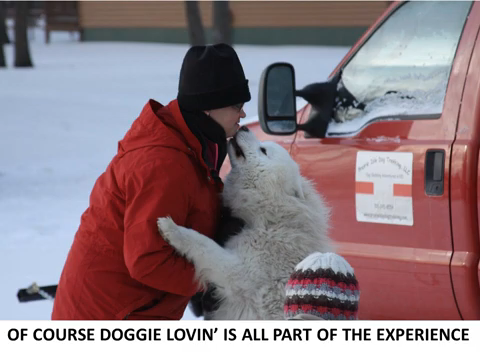
Helen L. Corlew runs a team of Samoyeds, Alaskan malamutes and Alaskan huskies. I am a Tellington TTouch practitioner and use this mode of work with training and living with my dogs.
Helen Corlew founded Prairie Isle Dog Trekking in Petersburg, North Dakota in 2010, and has spent the fifteen years since doing something most people only read about: teaching real dog sledding on real prairie terrain, at the edge of a landscape that doesn’t apologize for being difficult.
She is not a weekend enthusiast. She harnesses working dogs in January cold, trains handlers who have never touched a sled, and has built one of the only hands-on mushing education programs on the Northern Great Plains — from a single address on Highway 2, with no marketing budget and no shortcuts.
Her writing on Prairie Isle Dog Trekking reflects the same philosophy. Whether she is covering trail safety across the Rockies, breed behavior in extreme conditions, or what it actually takes to trek with a dog in the Alps, Helen writes from the position of someone who has done the work before writing the sentence.
She lives and runs dogs in Nelson County, North Dakota.
Kindly follow me on Social Media!
