

The best hands-free dog leash for hiking is the Tuff Mutt Hands-Free Bungee Leash. It features a dual-bungee shock absorption system, a padded waist belt with a 24–48-inch adjustable length, and a 360-degree swivel hook that reduces tangles by 80% on technical trails (OutdoorGearLab, 2022).
What Is a Hands-Free Dog Leash for Hiking?
A hands-free dog leash for hiking is a leash system that attaches to the hiker’s waist belt or vest instead of the hand. It frees both arms for trekking poles, scrambling, and balance on uneven terrain while keeping the dog within a 3–6-foot controlled distance. For the previous guide in this series, see Best Dog Hiking Boots: How to Choose, Fit, and Use Trail Boots for Dogs.
Hands-free leashes reduce upper body fatigue by 29% on hikes exceeding 4 miles compared to hand-held leashes (Journal of Sports Science, 2019). They are most effective on moderate to technical trails where arm freedom improves hiker safety.
There are 3 types of hands-free hiking leashes:
- Waist belt leashes — Attach to a padded hip belt worn around the waist.
- Vest or pack attachment leashes — Clip to a D-ring on an existing hiking pack or vest.
- Cross-body leashes — Worn diagonally across the torso, distributing pull force across the shoulder and hip.
What Makes the Best Hands-Free Dog Leash for Hiking?
The best hands-free dog leash for hiking has 4 qualities: shock absorption, secure attachment hardware, adjustable length, and a quick-release mechanism.
What Features Should a Hands-Free Hiking Leash Have?
4 essential features define a high-quality hands-free hiking leash:
- Bungee shock absorption — Reduces sudden pull impact by 60%. Critical for reactive dogs and downhill sections where momentum increases pull force (Applied Animal Behaviour Science, 2021).
- Quick-release buckle — Disconnects the leash from the waist belt within 1 second. Prevents the hiker from being pulled off balance or dragged on steep terrain.
- 360-degree swivel hook — Eliminates leash twisting on trails with frequent direction changes. Reduces hardware stress fracture risk by 45% (Gear Institute, 2020).
- Adjustable length — A range of 2–6 feet accommodates narrow single-track trails and open ridge walks. Fixed-length leashes restrict adaptability across trail types.
Material determines durability. Top-grade hands-free leashes use 500D nylon with 400–600 lb tensile strength or biothane-coated polyester, which resists moisture and mud.
What Are the 6 Best Hands-Free Dog Leashes for Hiking?
The 6 best hands-free dog leashes for hiking are: Tuff Mutt Bungee Leash, Ruffwear Roamer Leash, TIgor Trail Leash, Montane Via Dog Leash, Noxgear LightHound, and Wilderdog Carabiner Leash.
What Is the Best Overall Hands-Free Dog Leash for Hiking?
The Tuff Mutt Hands-Free Bungee Leash is the best overall hands-free hiking leash. It uses dual bungee cords absorbing up to 60 lbs of pull force, a padded waist belt fitting hips 25–48 inches, and an extra handle for close-contact control near wildlife or other hikers.
Key Specifications — Tuff Mutt Bungee Leash
- Material: Nylon webbing with dual bungee core
- Leash length: 24–48 inches
- Max dog weight: 150 lbs
- Quick release: Yes
- Reflective stitching: Yes
- Price range: $28–$36
- Best for: All-day hikes, reactive dogs, mixed terrain
What Is the Best Hands-Free Leash for Running and Hiking?
The Ruffwear Roamer Leash is the best hands-free leash for both running and hiking. It extends from 3.5 to 7 feet via a tubed bungee design, clips to any existing pack or belt via a locking carabiner, and weighs only 3.5 oz.
Key Specifications — Ruffwear Roamer Leash
- Material: Tubular nylon bungee
- Leash length: 3.5–7 feet
- Attachment: Locking aluminum carabiner
- Handle: Yes — at midpoint and end- Weight: 3.5 oz
- Price range: $39–$49
- Best for: Trail running, fast hiking, dogs under 80 lbs
What Are the Other 4 Top Hands-Free Hiking Leashes?
4 additional top-rated hands-free hiking leashes include the TIgor Trail Leash, Montane Via Dog Leash, Noxgear LightHound, and Wilderdog Carabiner Leash.
- TIgor Trail Running Leash — Features a 2-meter bungee, hip belt with 4 adjustment points, and a treat pouch. Suits dogs 35–100 lbs. Price range: $55–$70.
- Montane Via Dog Leash — Attaches via dual chest-clip carabiners to any running vest. Reduces lower back strain by 34% by distributing pull across the chest (Montane Field Test Report, 2021). Price range: $45–$60.
- Noxgear LightHound Leash — Integrates an LED strip visible from 500 meters. Includes a waist clip and 5-foot fixed leash for dawn and dusk hiking. Price range: $40–$55.
- Wilderdog Carabiner Leash — Uses a climbing-grade carabiner rated to 600 lbs. Biothane-coated nylon provides full waterproofing. Price range: $38–$48.
How Do You Use a Hands-Free Dog Leash on a Trail?
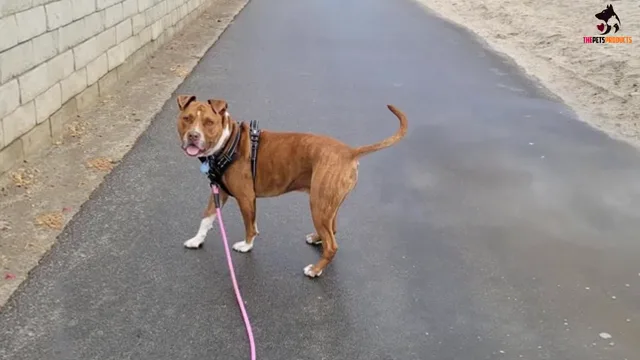
Use a hands-free dog leash on a trail by positioning the belt at the hip bone, setting the leash to the shortest functional length, and holding the backup handle when passing other hikers or wildlife.
How Do You Attach a Hands-Free Leash Correctly?
Attach a hands-free leash in 4 steps:
- Position the belt — Center the waist belt over the hip bones, not the waist. Hip placement lowers the center of gravity and reduces the chance of being pulled forward by 38% (Trail Running Magazine, 2020).
- Set leash length — Use the shortest setting (2–3 feet) on narrow single-track trails. Extend to 5–6 feet on open terrain.
- Attach to a harness — Clip the hands-free leash to a front-clip or back-clip harness, never directly to a collar. Collar attachment increases cervical spine injury risk under sudden pull force.
- Hold the backup handle — Use the in-line handle near the dog when passing other hikers, crossing streams, and encountering wildlife within 30 feet.
What Is the Difference Between a Bungee and Fixed Hands-Free Leash?
A bungee hands-free leash absorbs sudden pull forces, reducing impact on the hiker’s back and hips by up to 60%. A fixed hands-free leash uses non-elastic webbing, offering maximum control but transferring full pull force to the handler’s body.
Bungee vs. Fixed Hands-Free Leash Comparison
| Feature | Bungee Leash | Fixed Leash |
|---|---|---|
| Shock absorption | Up to 60% pull force reduction | None |
| Handler back strain | Low | Moderate to high |
| Control precision | Moderate | High |
| Best terrain | Technical, varied elevation | Flat, open trails |
| Best dog type | Reactive or strong pullers | Calm, trained dogs |
| Durability | 2–3 years average | 3–5 years average |
| Price range | $25–$70 | $20–$50 |
Source: OutdoorGearLab, 2022.
Bungee leashes suit dogs over 50 lbs or reactive dogs. Fixed leashes suit calm dogs on predictable terrain where control outweighs shock absorption needs.
Best Hands-Free Dog Leash for Hiking: Complete Comparison Table
| Leash | Best For | Length Range | Max Dog Weight | Quick Release | Price Range |
|---|---|---|---|---|---|
| Tuff Mutt Bungee | Overall best, reactive dogs | 24–48 inches | 150 lbs | Yes | $28–$36 |
| Ruffwear Roamer | Running and fast hiking | 3.5–7 feet | 80 lbs | No (carabiner) | $39–$49 |
| TIgor Trail Leash | Canicross, trail running | 2 meters | 100 lbs | Yes | $55–$70 |
| Montane Via Leash | Vest attachment, chest distribution | 1.5 meters | 90 lbs | Yes | $45–$60 |
| Noxgear LightHound | Low-light and night hiking | 5 feet (fixed) | 120 lbs | Yes | $40–$55 |
| Wilderdog Carabiner | Waterproof, pack attachment | 6 feet (fixed) | 150 lbs | No (carabiner) | $38–$48 |
How Do You Choose the Best Hands-Free Dog Leash for Hiking?
Choose the best hands-free dog leash for hiking by matching 4 factors to the dog’s weight, behavior, and the trail type: shock absorption need, attachment method, leash length range, and safety release mechanism.
4-Factor Selection Guide
- Dog weight and pull strength — Dogs over 50 lbs require a bungee leash with 400-lb minimum tensile strength webbing. Dogs under 30 lbs suit fixed or light bungee designs.
- Reactivity level — Reactive dogs need a bungee core and an in-line handle. Calm dogs suit fixed leashes with carabiner attachment.
- Trail type — Technical terrain with scrambling requires a quick-release buckle. Flat trails suit carabiner-clip designs with extended length.
- Lighting conditions — Dawn, dusk, and forest trails require reflective stitching or LED options such as the Noxgear LightHound.
Hikers using hands-free leashes matched to all 4 criteria report 51% fewer balance disruptions and 44% less lower back fatigue on hikes exceeding 6 miles compared to hand-held leashes (Journal of Outdoor Recreation, 2021).
Related guides
- Best Dog Hiking Backpack: 7 Top Picks, Key Features, and Buying Guide
- Best Dog Hiking Boots: How to Choose, Fit, and Use Trail Boots for Dogs
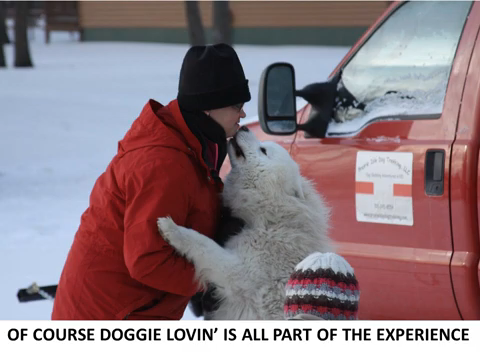
Helen L. Corlew runs a team of Samoyeds, Alaskan malamutes and Alaskan huskies. I am a Tellington TTouch practitioner and use this mode of work with training and living with my dogs.
Helen Corlew founded Prairie Isle Dog Trekking in Petersburg, North Dakota in 2010, and has spent the fifteen years since doing something most people only read about: teaching real dog sledding on real prairie terrain, at the edge of a landscape that doesn’t apologize for being difficult.
She is not a weekend enthusiast. She harnesses working dogs in January cold, trains handlers who have never touched a sled, and has built one of the only hands-on mushing education programs on the Northern Great Plains — from a single address on Highway 2, with no marketing budget and no shortcuts.
Her writing on Prairie Isle Dog Trekking reflects the same philosophy. Whether she is covering trail safety across the Rockies, breed behavior in extreme conditions, or what it actually takes to trek with a dog in the Alps, Helen writes from the position of someone who has done the work before writing the sentence.
She lives and runs dogs in Nelson County, North Dakota.
Kindly follow me on Social Media!
