


A dog ear infection is an inflammation of the ear canal caused by overgrowth of yeast, bacteria, or both. The 8 most common signs are head shaking, scratching, foul odor, redness, swelling, discharge, scaly skin, and pain when the ear is touched. Ear infections are one of the most frequent reasons dogs visit the veterinarian.
For related reading, see Dog Limping on Front Leg: Causes, Paw Injuries, ACL Symptoms, and When to Act.
What Is a Dog Ear Infection?
A dog ear infection, or otitis, occurs when yeast, bacteria, parasites, or a combination of these overgrow within the ear canal. Dogs are significantly more prone to ear infections than humans because their ear canals are L-shaped, forming a vertical and horizontal section. This anatomy traps moisture, debris, and microorganisms, creating a warm, humid environment where pathogens thrive.
Ear infections in dogs can develop suddenly (acute) or recur repeatedly (chronic). Chronic infections often signal an underlying condition such as allergies.
What Are the 3 Types of Dog Ear Infections?
There are 3 types of dog ear infections, categorized by which part of the ear is affected:
| Type | Location | Severity | Common Outcome if Untreated |
|---|---|---|---|
| Otitis externa | Outer ear canal | Mild to moderate | Spreads to middle ear |
| Otitis media | Middle ear | Moderate to severe | Hearing loss, facial nerve damage |
| Otitis interna | Inner ear | Severe | Permanent hearing loss, balance disorders |
Otitis externa is the most common type. It affects the external ear canal and is easiest to treat when caught early. Otitis media and interna are often the result of untreated otitis externa and can lead to deafness, facial paralysis, and vestibular disorders, according to the Merck Veterinary Manual (2026).
What Are the 8 Signs of an Ear Infection in Dogs?
The 8 signs of an ear infection in dogs are:
- Repeated head shaking
- Scratching at one or both ears
- Foul odor from the ear
- Redness and swelling inside the ear canal
- Discharge (brown, black, yellow, or pus-like)
- Scaly skin or scabs around the ear flap
- Head tilting to one side
- Pain or sensitivity when the ear is touched
Behavioral changes often appear before visible physical symptoms. Dogs may become less playful, more withdrawn, or resist being touched near the head. According to Bay Area Pet Hospital (2026), these behavioral shifts are an important early clue, as they reflect irritation deep in the ear canal before redness or discharge becomes obvious.
What Does a Dog Ear Infection Look Like?
A dog ear infection produces redness, swelling, and discharge inside the ear canal. According to PetMD veterinarians (2024):
- Yeast infections produce a thick, dark brown or black waxy discharge and a distinct musty odor.
- Bacterial infections produce lighter brown or yellow discharge, sometimes with pus.
- Mixed infections (yeast and bacteria together) are common and can produce any combination of the above.
A severe ear infection presents with swelling, pus, and visible tissue irritation. Self-trauma marks such as scratches or raw patches around the ear are signs the dog has been pawing at the infected area.
Ear mites produce a dark, crumbly debris that resembles coffee grounds. This distinguishes mite infestations from standard bacterial or yeast infections, though mites frequently trigger secondary bacterial infections.
Why Do My Dog's Ears Stink?
A dog's ears stink because of microbial overgrowth inside the ear canal. Yeast infections produce a musty, sweet, or corn-chip odor. Bacterial infections caused by gram-negative organisms such as Pseudomonas produce a particularly pungent smell, according to the Merck Veterinary Manual (2026). A foul odor from the ear is one of the most consistent indicators of an active infection and warrants a veterinary examination.
Normal dog ears have no strong odor. A mild waxy smell is acceptable, but a strong or unpleasant smell indicates pathological change.
How to Tell If Your Dog Has an Ear Infection
A dog has an ear infection when it displays 2 or more of the following signs together: head shaking, ear scratching, visible discharge, redness, foul odor, or pain on touch. A single sign in isolation warrants monitoring. Multiple signs together warrant prompt veterinary attention.
To check at home, lift your dog's ear flap and look inside the canal. A healthy ear is pale pink, clean, and odor-free. An infected ear shows redness, dark discharge, wax buildup, or visible swelling.
Why Does My Dog Keep Scratching Its Ear?
A dog keeps scratching its ear because of irritation or pain inside the ear canal. The 4 most common causes of persistent ear scratching are:
- Bacterial or yeast infection
- Ear mites (particularly in puppies)
- Allergies (food or environmental)
- Foreign object lodged in the canal, such as a grass seed
Scratching that draws blood, causes raw skin around the ear, or does not stop after a day warrants a vet visit. Persistent scratching can rupture blood vessels in the ear flap, causing an aural hematoma — a blood-filled swelling that requires surgical treatment.
Why Does My Dog Keep Shaking Its Head but Its Ears Look Clean?
A dog keeps shaking its head with clean-looking ears for 5 reasons:
- An infection is present but not yet visually obvious — discharge and redness develop internally before becoming visible
- Allergies are causing itch without discharge
- A foreign object, such as a grass seed, is lodged deep in the horizontal canal
- Water is trapped in the ear after bathing or swimming
- Neurological conditions, including head tremors or vestibular disease, cause involuntary head movement

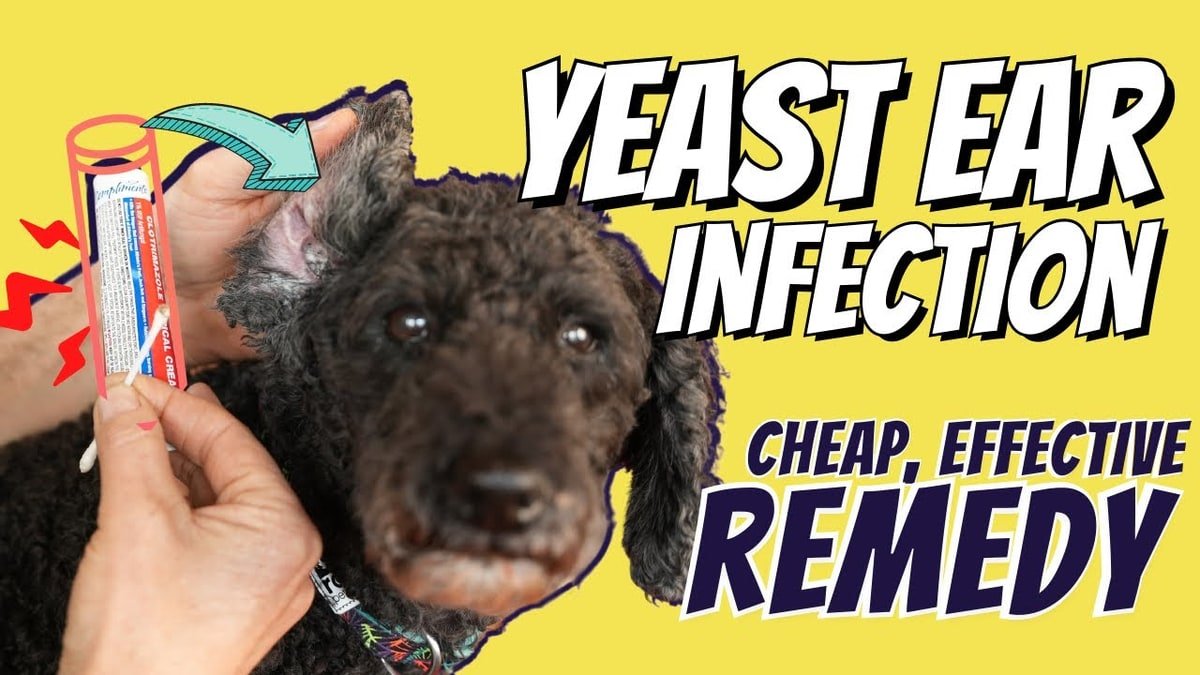
According to PetMD (2026), head shaking that persists for more than 1 to 2 days, or is accompanied by any other symptom, warrants veterinary evaluation even if the ear appears externally clean. An otoscopic examination is needed to inspect the horizontal canal, which is not visible to the naked eye.
What Causes Dog Ear Infections?
Dog ear infections are caused by disruption of the normal ear environment, which allows yeast or bacteria to overgrow. The 6 most common causes are:
- Allergies — food or environmental allergies inflame the ear canal lining, altering wax consistency and lowering local defenses. Recurrent ear infections are often the first or only sign of a food or environmental allergy, according to veterinary expert Dr. Kelly Hood, DVM (AKC, 2026).
- Moisture — trapped water after bathing or swimming creates ideal conditions for bacterial and yeast growth.
- Wax buildup — excess cerumen blocks airflow and traps microorganisms.
- Foreign objects — grass seeds and debris lodge in the canal and introduce bacteria.
- Ear mites — parasitic infestation that damages the canal lining and triggers secondary infections.
- Over-cleaning — removing protective oils and beneficial microbes disrupts natural ear defenses.
Which Dog Breeds Are Most Prone to Ear Infections?
Dogs with floppy or long ears and dogs with hair inside the ear canal are at significantly higher risk. According to PetMD (2024), the 5 breeds with the highest rate of ear infections are:
- Basset Hound
- Cocker Spaniel
- Labrador Retriever
- Golden Retriever
- Poodle
Floppy ears reduce airflow into the canal, trapping moisture. Poodles and similar breeds also grow hair inside the canal, which further blocks ventilation. Dogs with erect ears, such as Chihuahuas and Yorkshire Terriers, have significantly lower infection rates.
How Does a Vet Diagnose a Dog Ear Infection?
A veterinarian diagnoses a dog ear infection using 3 methods:
- Otoscopic exam — an otoscope is used to visually inspect the ear canal and eardrum. Sedation or anesthesia may be needed for painful or blocked ears.
- Ear cytology — a cotton swab collects discharge samples, which are examined under a microscope to identify bacteria, yeast, or parasites.
- Culture and sensitivity testing — used for chronic or resistant infections to identify specific pathogens and determine effective antibiotics.
A dark discharge under the microscope indicates yeast or ear mites. A lighter discharge with rod-shaped organisms suggests gram-negative bacteria such as Pseudomonas. This distinction directly determines which medication is prescribed.
What Is the Treatment for Dog Ear Infections?
Treatment for dog ear infections requires a veterinary diagnosis first. The vet will clean the ear under examination and prescribe one or more of the following:
- Prescription ear drops or ointments — the most common treatment for otitis externa
- Oral antibiotics — used for severe or deep infections
- Oral anti-inflammatories — prednisone or similar, for significant swelling and pain
- Ear cleaning solutions — applied before medication to remove debris
Commonly prescribed topical treatments include Otomax (gentamicin, betamethasone, clotrimazole), Osurnia (a 2-dose vet-applied treatment lasting 45 days without home cleaning), Posatex, and EasOtic (once daily for 5 days). Prescription treatments are not interchangeable — the correct formulation depends on whether the infection is bacterial, fungal, or mixed.

What Antibacterial Ear Drops Are Used for Dogs?
Antibacterial ear drops for dogs contain active ingredients that target specific pathogens. 3 categories are available:
- Prescription-only — gentamicin, florfenicol, or ciprofloxacin combined with antifungals and corticosteroids, prescribed by a vet after cytology confirms bacteria
- Veterinary-formula OTC drops — products containing acetic acid and miconazole, such as Veterinary Formula Clinical Care Ear Therapy, for mild irritation and maintenance use
- Medicated maintenance drops — formulas combining miconazole (antifungal), hydrocortisone (anti-inflammatory), and acetic acid (antibacterial), suitable for post-swim prevention and early irritation
OTC antibacterial ear drops do not replace prescription treatment for a confirmed infection. They are appropriate for routine maintenance and mild cases only.
What Are Ear Wipes for Dogs Used For?
Ear wipes for dogs are pre-moistened pads used to clean the visible inner surface of the ear flap and the entrance to the ear canal. They remove surface wax, debris, and light discharge. Ear wipes are a routine maintenance tool, not a treatment for active infections. They are most useful for:
- Weekly cleaning in low-risk dogs
- Post-walk debris removal in outdoor dogs
- Maintaining hygiene between veterinary treatments
Ear wipes do not reach the horizontal canal. They are safe for regular use and appropriate for dogs without active infections.
What Is Ear Powder for Dogs Used For?
Ear powder for dogs is a grooming product used to dry moisture from the ear canal and improve grip when removing excess hair from the ear. It is primarily used by professional groomers on long-eared or curly-coated breeds, such as Poodles and Cocker Spaniels, where hair inside the ear canal blocks airflow and traps moisture.
Ear powder improves ventilation after hair removal and helps keep the canal dry between grooming sessions. It is a preventive tool, not a treatment for existing infections. Dogs with active ear infections should not have ear powder applied without veterinary guidance.
When Is a Dog Ear Infection an Emergency?
A dog ear infection becomes an emergency when 4 or more of the following are present:
- Intense pain — the dog cries out or reacts defensively when the ear is approached
- Rapid swelling or firmness of the ear flap
- Loss of balance or difficulty walking straight
- Persistent head tilt that does not resolve
- Heavy, bloody, or foul-smelling discharge with rapid onset
- Facial drooping or asymmetry (facial nerve involvement)
These signs indicate the infection has spread to the middle or inner ear. According to Bay Area Pet Hospital (2026), intense pain with neurological signs marks the transition from irritation to a serious medical concern requiring same-day veterinary evaluation.
How Do You Prevent Dog Ear Infections?
Dog ear infections are prevented with 5 consistent practices:
- Clean ears weekly — use a vet-approved ear cleaning solution for high-risk breeds; monthly for low-risk breeds
- Dry ears after water exposure — use a cotton ball or soft cloth to absorb moisture after every swim or bath; place cotton balls in the ear before bathing
- Manage allergies — work with a vet to identify food or environmental triggers driving chronic infections
- Avoid over-cleaning — excess cleaning removes protective oils and beneficial microbes; follow your vet's recommended frequency
- Schedule regular vet checkups — routine exams allow early detection before infections become chronic
According to the AKC's veterinary advisory board (2026), excess moisture is among the most preventable causes of recurrent ear infections. Dogs that swim frequently benefit most from a post-swim drying routine and vet-approved ear-drying solution.


Helen L. Corlew runs a team of Samoyeds, Alaskan malamutes and Alaskan huskies. I am a Tellington TTouch practitioner and use this mode of work with training and living with my dogs.
Helen Corlew founded Prairie Isle Dog Trekking in Petersburg, North Dakota in 2010, and has spent the fifteen years since doing something most people only read about: teaching real dog sledding on real prairie terrain, at the edge of a landscape that doesn’t apologize for being difficult.
She is not a weekend enthusiast. She harnesses working dogs in January cold, trains handlers who have never touched a sled, and has built one of the only hands-on mushing education programs on the Northern Great Plains — from a single address on Highway 2, with no marketing budget and no shortcuts.
Her writing on Prairie Isle Dog Trekking reflects the same philosophy. Whether she is covering trail safety across the Rockies, breed behavior in extreme conditions, or what it actually takes to trek with a dog in the Alps, Helen writes from the position of someone who has done the work before writing the sentence.
She lives and runs dogs in Nelson County, North Dakota.
Kindly follow me on Social Media!


