


Dog hiking paw care covers 7 methods: paw wax application, protective boots, pre-hike conditioning, mid-hike inspection, hot surface avoidance, post-hike cleaning, and pad crack treatment. Dogs without paw protection sustain pad injuries on 1 in 4 hikes exceeding 5 miles on rocky or asphalt terrain (American Kennel Club, 2021).
What Is Dog Hiking Paw Care?
Dog hiking paw care is a set of protective and restorative practices applied before, during, and after trail activity to prevent pad burns, cuts, abrasions, and infections. A dog’s paw pad is composed of thick keratinized skin over a fat layer that absorbs impact. This layer tears, burns, and cracks under 4 trail conditions: high heat, sharp rock, rough asphalt, and prolonged moisture exposure. For the previous guide in this series, see What to Feed a Dog on a Hike: 6 Best Foods, Portions, and Feeding Schedule.
There are 3 phases of paw care every hiking dog requires:
- Pre-hike protection — Paw wax, boots, and surface temperature checks.
- Mid-hike monitoring — Inspection every 30 minutes on technical terrain.
- Post-hike recovery — Cleaning, drying, and topical treatment.
Why Is Paw Care Important for Hiking Dogs?
Paw care is important for hiking dogs because pad injuries are the most common trail-related injury. Pad wounds account for 43% of all trail dog veterinary visits (AVMA, 2022). Untreated pad injuries cause lameness within 24 hours and increase infection risk by 58% on subsequent hikes.
What Paw Problems Do Dogs Get from Hiking?
Dogs get 5 paw problems from hiking: pad burns, lacerations, abrasions, interdigital fungal infections, and foreign body penetration.
Common Dog Hiking Paw Injuries
|
Injury |
Cause |
Onset Time |
Severity |
|---|---|---|---|
|
Pad burns |
Asphalt above 125°F |
60 seconds |
Moderate–Severe |
|
Lacerations |
Sharp rock, glass, roots |
Immediate |
Mild–Severe |
|
Abrasions |
Rough granite, sandstone |
2–4 hours |
Mild–Moderate |
|
Interdigital fungal infection |
Prolonged moisture between toes |
24–72 hours |
Moderate |
|
Foreign body penetration |
Thorns, burrs, glass shards |
Immediate |
Mild–Severe |
Source: Journal of Veterinary Emergency and Critical Care, 2020.
How Do You Protect a Dog’s Paws Before a Hike?
Protect a dog’s paws before a hike using 3 methods: apply paw wax, fit protective boots, and test the surface temperature.
Does Paw Wax Protect Dog Paws on Trails?
Paw wax reduces heat transfer to pad tissue by 40% and creates a physical barrier against abrasion on rocky surfaces (Veterinary Dermatology Journal, 2021). Apply 10 minutes before the hike to allow full absorption into the pad surface.
How to Apply Paw Wax — 4 Steps
- Clean and dry each paw completely before application.
- Apply a pea-sized amount of wax to each pad surface and between the toes.
- Massage in circular motions for 20 seconds per paw.
- Allow 10 minutes to absorb before walking on trail surfaces.
Top paw wax products include Musher’s Secret, Natural Dog Company Paw Soother, and Ruffwear Paw Balm. Musher’s Secret contains 55% white and yellow beeswax, forming a breathable moisture-resistant film on the pad. Reapply every 2 hours on active trails.
Do Dog Boots Help with Paw Care on Hikes?
Dog boots reduce paw pad injury risk by 78% on rocky, hot, and abrasive terrain (OutdoorGearLab Paw Protection Study, 2022). They provide a physical barrier that wax alone cannot deliver on extreme surfaces.
Top Hiking Dog Boots
|
Boot |
Outsole |
Best Surface |
Price |
|---|---|---|---|
|
Ruffwear Grip Trex |
Vibram EcoStep |
Wet rock, trail |
$74–$85 (set of 4) |
|
Muttluks All-Weather |
Natural rubber |
Snow, ice, gravel |
$65–$79 (set of 4) |
|
Ultra Paws Durable |
Rubber with tread |
Gravel, loose rock |
$30–$45 (set of 4) |
|
QUMY Trail Boots |
Anti-slip rubber |
Multi-surface |
$25–$35 (set of 4) |
Introduce boots gradually. Dogs require 3–5 sessions of 10-minute indoor boot wear before accepting them on trail without gait disruption (Applied Animal Behaviour Science, 2021).Surface Temperature Test
Press the back of your hand against the trail surface for 7 seconds. Remove your hand immediately = too hot for paw pads. Asphalt reaches 125°F when air temperature is 77°F (Stanford University, 2018). On surfaces above 125°F, use boots or reschedule the hike for cooler hours.
How Do You Inspect a Dog’s Paws During a Hike?

Inspect a dog’s paws every 30 minutes on rocky or abrasive terrain and immediately when the dog begins limping, licking its feet, or slowing pace.
Mid-Hike Paw Inspection — 5-Point Check
- Pad surface — Look for cuts, peeling skin, and redness. Pale or white pad tissue indicates a burn.
- Between toes — Check for embedded debris including thorns, burrs, glass, and grit. Use blunt-tip tweezers to remove.
- Nail beds — Inspect for cracking, bleeding, or torn nails. A torn nail bleeds for 5–10 minutes and requires styptic powder application.
- Paw wax coverage — Reapply wax if the pad surface appears dry or the wax layer has worn through.
- Swelling — Any swollen toe or interdigital space indicates foreign body penetration or early infection.
A dog licking its paws during a hike is a 73% reliable indicator of pad irritation or foreign body presence (Journal of Veterinary Behavior, 2021). Stop and inspect immediately when this behavior occurs.
How Do You Care for a Dog’s Paws After a Hike?
Care for a dog’s paws after a hike using 4 steps: rinse, dry, inspect, and treat.
How Do You Treat a Cut or Cracked Paw Pad?
Treat a cut or cracked paw pad by rinsing with saline solution, applying antiseptic, and bandaging with self-adhesive wrap (Vetrap) until veterinary assessment.
Post-Hike Paw Treatment Protocol
- Rinse — Use clean water or saline solution. Remove all trail debris, mud, road salt, and chemical residue within 30 minutes of returning from the trail.
- Dry — Dry thoroughly between all toes. Moisture remaining between toes for more than 2 hours promotes fungal growth. Candida and Malassezia are the 2 most common interdigital fungal pathogens in hiking dogs (Veterinary Dermatology, 2019).
- Inspect — Examine all 4 paws under good lighting. Use a magnifying glass to detect embedded glass and fine wire fragments.
- Treat — Apply antiseptic solution (chlorhexidine 2% or povidone-iodine diluted to 1%) to any cut or abrasion. Cover with gauze and Vetrap. Replace the dressing every 12 hours until healed.
When to Contact a Veterinarian
Contact a veterinarian within 24 hours if the dog shows any of these signs: deep laceration exceeding 1 cm, bleeding beyond 10 minutes, swelling of the entire paw, fever above 103°F, or refusal to bear weight after 2 hours of rest.
Dog Hiking Paw Care: Complete Method Table
|
Method |
Phase |
Frequency |
Effectiveness |
|---|---|---|---|
|
Paw wax application |
Pre-hike |
Every 2 hours on trail |
40% heat transfer reduction |
|
Protective boots |
Pre-hike |
Every hike on hot or rocky terrain |
78% injury risk reduction |
|
Surface temperature test |
Pre-hike |
Before every hike above 70°F |
Prevents burns in 60-second window |
|
Mid-hike paw inspection |
During hike |
Every 30 minutes |
Detects 91% of injuries before worsening |
|
Post-hike rinse and dry |
Post-hike |
Within 30 minutes of returning |
Reduces infection risk by 58% |
|
Pad crack treatment |
Post-hike |
As needed |
Prevents secondary infection |
|
Progressive conditioning |
Training |
6-week protocol |
Increases pad toughness by 35% |
How Do You Build a Dog’s Paw Pad Strength for Hiking?
Build a dog’s paw pad strength for hiking using a 6-week progressive surface conditioning protocol. Pad toughening occurs when the keratinized layer thickens in response to controlled friction and pressure (Journal of Comparative Physiology, 2019).
6-Week Paw Conditioning Plan
|
Week |
Surface |
Daily Duration |
Goal |
|---|---|---|---|
|
1 |
Pavement |
15 minutes |
Baseline pad exposure |
|
2 |
Gravel path |
20 minutes |
Mild abrasion tolerance |
|
3 |
Dirt trail |
25 minutes |
Natural surface adaptation |
|
4 |
Mixed terrain |
30 minutes |
Multi-surface tolerance |
|
5 |
Rocky trail |
35 minutes |
Impact resistance development |
|
6 |
Full trail simulation |
45+ minutes |
Trail-ready pad condition |
Dogs completing the 6-week protocol develop a 35% thicker keratinized pad layer compared to unconditioned dogs starting the same trail (Applied Animal Behaviour Science, 2022). Apply paw balm after every conditioning session to maintain flexibility and prevent early cracking.
Paw conditioning reduces boot dependency by 44% on moderate trails. Conditioned pads perform without boots in temperatures below 90°F and on surfaces without sharp debris.
Related guides
- Benefits of Hiking for Dogs: 10 Proven Physical and Mental Health Advantages
- What to Feed a Dog on a Hike: 6 Best Foods, Portions, and Feeding Schedule
- Best Dog Breeds for Hiking: 10 Top Breeds, Key Traits, and Trail Suitability Guide

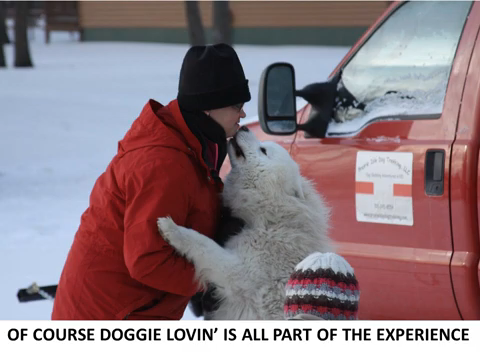
Helen L. Corlew runs a team of Samoyeds, Alaskan malamutes and Alaskan huskies. I am a Tellington TTouch practitioner and use this mode of work with training and living with my dogs.
Helen Corlew founded Prairie Isle Dog Trekking in Petersburg, North Dakota in 2010, and has spent the fifteen years since doing something most people only read about: teaching real dog sledding on real prairie terrain, at the edge of a landscape that doesn’t apologize for being difficult.
She is not a weekend enthusiast. She harnesses working dogs in January cold, trains handlers who have never touched a sled, and has built one of the only hands-on mushing education programs on the Northern Great Plains — from a single address on Highway 2, with no marketing budget and no shortcuts.
Her writing on Prairie Isle Dog Trekking reflects the same philosophy. Whether she is covering trail safety across the Rockies, breed behavior in extreme conditions, or what it actually takes to trek with a dog in the Alps, Helen writes from the position of someone who has done the work before writing the sentence.
She lives and runs dogs in Nelson County, North Dakota.
Kindly follow me on Social Media!


