


Dog hiking trails in Colorado are designated paths across mountains, canyon lands, open spaces, and state parks where leashed or off-leash dogs are permitted. Colorado has 6 primary dog-hiking regions: the Front Range, Boulder, Colorado Springs, Summit County, the San Juan Mountains, and Western Colorado. Each region has distinct elevation, terrain, and dog access regulations.
What Are Dog Hiking Trails in Colorado?
Dog hiking trails in Colorado are marked routes in natural areas that permit dogs, typically on a leash of 6 feet or less, across terrain ranging from 5,000 to over 14,000 feet in elevation. For the previous guide in this series, see Camino de Santiago With a Dog: 8 Rules, Route Options, and Complete Preparation Guide.
Colorado contains 42 state parks and over 26 million acres of public land. Most Colorado state parks allow leashed dogs on trails. Most national park trails in Colorado — including Rocky Mountain National Park and Mesa Verde — do not permit dogs on unpaved backcountry paths.
According to Colorado Parks and Wildlife, over 15 million visits are made to Colorado state parks annually. Dog-friendly access is a documented factor in park selection for a significant portion of visitors.
Which Colorado Regions Have Dog-Friendly Hiking Trails?
6 regions in Colorado have established dog-hiking trails: the Front Range, Boulder, Colorado Springs, Summit County, the San Juan Mountains, and Western Colorado.
|
Region |
Key Trail Areas |
Elevation Range |
|---|---|---|
|
Front Range (Denver) |
Bear Creek, Mount Falcon, Chatfield |
5,300–7,800 ft |
|
Boulder |
Chautauqua, Walker Ranch, Betasso |
5,400–8,500 ft |
|
Colorado Springs |
Garden of the Gods, North Cheyenne Cañon |
6,000–9,000 ft |
|
Summit County |
Dillon Reservoir, Tenmile Canyon |
9,000–11,500 ft |
|
San Juan Mountains |
Ice Lake, Colorado Trail, Kendall Mtn |
8,700–13,000 ft |
|
Western Colorado |
Grand Mesa, Rabbit Valley |
4,500–11,000 ft |
Note that Rocky Mountain National Park and Mesa Verde National Park prohibit dogs on all unpaved hiking trails. Dogs are permitted only in campgrounds, parking lots, and paved surfaces within these parks.
Which Dog Hiking Trails Are Near Denver and the Front Range?
The Front Range has 4 established dog-hiking trails near Denver, including Bear Creek Trail in Lakewood and Mount Falcon Open Space in Jefferson County.
The Front Range sits between 5,300 and 7,800 feet in elevation. Trails here are accessible year-round, with snow present from November to March on higher routes. Jefferson County Open Space manages over 60,000 acres and allows leashed dogs on all trails.
Top Front Range Dog Hiking Trails
|
Trail |
Location |
Length |
Difficulty |
|---|---|---|---|
|
Bear Creek Trail |
Lakewood |
12.6 miles |
Easy |
|
Lair o’ the Bear Park |
Idledale |
3.2 miles |
Easy |
|
Mount Falcon Open Space |
Morrison |
9.0 miles |
Moderate |
|
Chatfield State Park Trails |
Littleton |
26.0 miles total |
Easy–Moderate |
Bear Creek Trail follows Bear Creek for 12.6 miles through a riparian corridor. Water is accessible throughout the route. Chatfield State Park offers 26 miles of multi-use trails and an off-leash dog area covering 103 acres.
Which Dog Hiking Trails Are Near Boulder?
Boulder has 4 dog-accessible hiking trails, including Chautauqua Trail and Walker Ranch Loop, managed by Boulder Open Space and Mountain Parks.
Boulder’s Open Space system covers over 45,000 acres. Dogs are permitted on most trails either on a leash or off-leash with a valid Voice and Sight Tag — a permit issued by the city for off-leash access.
Top Boulder Dog Hiking Trails
- Chautauqua Trail to Bluebell Mesa — Boulder — 3.2 miles (Voice and Sight Tag or leash)
- Walker Ranch Loop — Boulder Canyon — 7.6 miles (leash required)
- Betasso Preserve Loop — Boulder — 3.4 miles (leash required on weekends)
- South Boulder Creek Trail — Boulder — 5.5 miles (leash required)
Walker Ranch Loop drops 1,100 feet in elevation and follows South Boulder Creek through ponderosa pine forest. It is one of the most challenging dog-accessible trails in the Boulder area.
Note that Boulder’s Voice and Sight Tag costs $20 annually. Dogs without the tag must remain on a 6-foot leash on all Open Space trails.
Which Dog Hiking Trails Are Near Colorado Springs?
Colorado Springs has 3 dog-friendly hiking destinations, including Garden of the Gods and North Cheyenne Cañon Park.
Garden of the Gods covers 1,341 acres and contains 15 miles of trails. Dogs are permitted on all paved and unpaved trails with a leash. The park draws over 2 million visitors annually, making early morning visits advisable for dogs.
Top Colorado Springs Dog Hiking Trails
|
Trail |
Location |
Length |
Terrain |
|---|---|---|---|
|
Perkins Central Garden Trail |
Garden of the Gods |
1.5 miles |
Paved, easy |
|
Silver Cascade Falls Trail |
North Cheyenne Cañon |
3.4 miles |
Rocky, moderate |
|
Lovell Gulch Trail |
Woodland Park |
5.4 miles |
Forested, moderate |
North Cheyenne Cañon Park allows leashed dogs on all trails. The Silver Cascade Falls Trail rises 700 feet in elevation and passes a 60-foot waterfall. Water is available at the trailhead but not along the route.
Which Dog Hiking Trails Are in Summit County?

Summit County has 3 dog-accessible hiking trails, including Dillon Reservoir Recreation Area and Tenmile Canyon Trail near Frisco.
Summit County sits at a base elevation of 9,000 feet. High altitude affects dogs similarly to humans — watch for labored breathing, excessive panting, and disorientation above 11,000 feet. Allow 2–3 days for acclimatization before strenuous hikes.
Top Summit County Dog Hiking Trails
- Tenmile Canyon Trail — Frisco to Breckenridge — 22.0 miles one way (leash required)
- Dillon Reservoir Loop — Dillon — 18.0 miles (leash required)
- Lily Pad Lake Trail — Frisco — 4.2 miles (leash required)
Tenmile Canyon Trail follows an abandoned rail corridor and gains 2,000 feet over 22 miles. It is one of the most dog-accessible long-distance trails in Colorado. Dillon Reservoir Loop circles a 3,233-acre reservoir and offers lake access for dogs at multiple points.
Which Dog Hiking Trails Are in the San Juan Mountains?
The San Juan Mountains have 3 dog-accessible hiking routes, including Ice Lake Trail near Silverton and sections of the Colorado Trail near Durango.
The San Juans contain 13 peaks above 14,000 feet. Dog hiking at high altitude in this region is best suited for fit, acclimatized dogs. The hiking season runs from June to early October due to snow.
Top San Juan Mountains Dog Hiking Trails
|
Trail |
Location |
Length |
Elevation Gain |
|---|---|---|---|
|
Ice Lake Trail |
Silverton |
8.0 miles |
2,585 ft |
|
Colorado Trail (Durango section) |
Durango |
Variable |
Variable |
|
Kendall Mountain Trail |
Silverton |
6.0 miles |
2,800 ft |
Ice Lake Trail ends at an alpine lake at 12,257 feet. Dogs must remain on a leash throughout. The Colorado Trail runs 567 miles across Colorado and permits leashed dogs on all sections.
What Are the Rules for Dog Hiking in Colorado?
8 rules govern dog hiking across Colorado’s public lands.
- Leashes of 6 feet or less are required in all Colorado state parks
- Dogs are prohibited on unpaved trails in Rocky Mountain National Park and Mesa Verde
- All dog waste must be packed out in sealed bags
- Dogs must have current rabies vaccination — required by Colorado law
- Off-leash access in Boulder requires a Voice and Sight Tag permit
- Dogs must not enter streams or lakes marked as drinking water sources
- Aggressive dogs must be muzzled on shared-use trails
- Dogs are not permitted in designated wilderness areas without prior trail-specific verification
Colorado Revised Statute 35-43-126 requires dogs to be under control at all times on public lands. Violations carry fines of up to $100 per offense.
What Should You Pack for Dog Hiking in Colorado?
Bring 9 essential items for dog hiking in Colorado.
- 1 litre of fresh water per dog per hour of hiking
- Collapsible water bowl
- Dog-specific first aid kit, including tick remover and antiseptic
- Sun protection — dogs with short coats need pet-safe sunscreen above treeline
- Waste bags (minimum 5 per outing)
- 6-foot non-retractable leash
- Dog booties or paw wax for rocky alpine terrain
- High-protein treats for sustained energy at elevation
- Emergency mylar blanket — temperatures drop rapidly above 10,000 feet
The Wilderness Medical Society identifies altitude sickness, hypothermia, and paw injuries as the 3 most common health risks for dogs hiking in Colorado’s high-elevation terrain.
What Are the Best Dog-Friendly State Parks in Colorado?
3 Colorado state parks are recognized for the most dog-inclusive trail access: Chatfield, Mueller, and Eldorado Canyon.
Chatfield State Park covers 5,378 acres southwest of Denver and includes a 103-acre off-leash dog area — one of the largest in the state. Mueller State Park near Woodland Park offers 55 miles of trail and allows leashed dogs throughout. Eldorado Canyon State Park allows leashed dogs on all 12 miles of trails within the park.
These 3 parks serve as the benchmark for dog-friendly hiking access within Colorado’s state park system.
Related guides
- Camino de Santiago With a Dog: 8 Rules, Route Options, and Complete Preparation Guide
- Dog Hiking Trails California: 12 Best Routes, Regulations, and Seasonal Access Rules

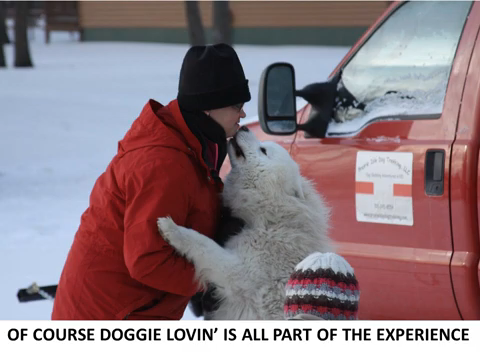
Helen L. Corlew runs a team of Samoyeds, Alaskan malamutes and Alaskan huskies. I am a Tellington TTouch practitioner and use this mode of work with training and living with my dogs.
Helen Corlew founded Prairie Isle Dog Trekking in Petersburg, North Dakota in 2010, and has spent the fifteen years since doing something most people only read about: teaching real dog sledding on real prairie terrain, at the edge of a landscape that doesn’t apologize for being difficult.
She is not a weekend enthusiast. She harnesses working dogs in January cold, trains handlers who have never touched a sled, and has built one of the only hands-on mushing education programs on the Northern Great Plains — from a single address on Highway 2, with no marketing budget and no shortcuts.
Her writing on Prairie Isle Dog Trekking reflects the same philosophy. Whether she is covering trail safety across the Rockies, breed behavior in extreme conditions, or what it actually takes to trek with a dog in the Alps, Helen writes from the position of someone who has done the work before writing the sentence.
She lives and runs dogs in Nelson County, North Dakota.
Kindly follow me on Social Media!


