
The harness smelled like frozen nylon and old sweat when I pulled it off the hook that morning, the smell that means the temperature dropped overnight faster than the equipment could adjust. Minus fifteen. No wind yet. The dogs were already watching me from the yard, every one of them locked onto my hands, not my face. They always watch the hands.
I read about Marcus about two weeks after he finished. Not the headline version. Someone sent me a longer piece, the kind that took its time. He lost both legs below the knee to an IED outside Kandahar in 2011. Spent years in and out of hospitals, in and out of himself. Then a rescue mutt from Georgia came into his life, and that dog walked with him from Springer Mountain to Mount Katahdin. All 2,190 miles.
People read that story and they cry. I read it and I thought about Yuki.
Yuki was a lead dog I ran for six seasons. She had a quality I’ve never been able to name right, a kind of attention that wasn’t about you, exactly, but was always toward you. Not affectionate. Not needy. Just present in a way that made you feel the space between you was being actively managed. When I was sick one February, really sick, fever-sick, the kind where you shouldn’t be outside, I went to the yard anyway because the dogs needed feeding, and Yuki stood still while I worked, which she never did. She didn’t nuzzle me or perform anything. She just stopped moving, which for Yuki was the loudest possible thing.
I’ve had a lot of people come through Prairie Isle. Families, mostly. School groups. And a handful of veterans over the years, three that I know of, probably more who didn’t say anything. The ones who said something didn’t say much. What I noticed is they handled the dogs differently than almost anyone else. Not better, not worse. Differently. They knew how to be quiet in a way the dogs noticed. They didn’t fill silence with talking. They watched before they touched. And the dogs gave them more latitude than they gave most people, not because dogs sense trauma, or whatever people want to say about that, but because calm is something a dog can read at about ten feet. These men were calm in their bodies even when you could see they weren’t calm anywhere else.
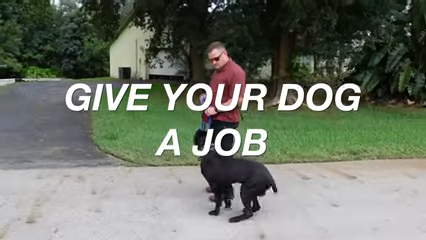
The thing about a working dog, a sled dog, a trail dog, a dog that has a job, is that it doesn’t care what you used to be. This is where people go wrong when they tell the story of Marcus and his dog. They tell it as a story about healing. They frame the dog as the medicine. And maybe that’s true in some way I’m not equipped to measure. But when I watch a dog work alongside a person, what I see is simpler: the dog needs the person to be present right now. Not yesterday. Not in whatever hospital room still lives in the back of their skull. Now. The harness needs buckling now. The line needs to be managed now. The dog is pulling and you have to handle it now.

That demand, that ordinary, persistent, physical demand, is not nothing. It might be everything.
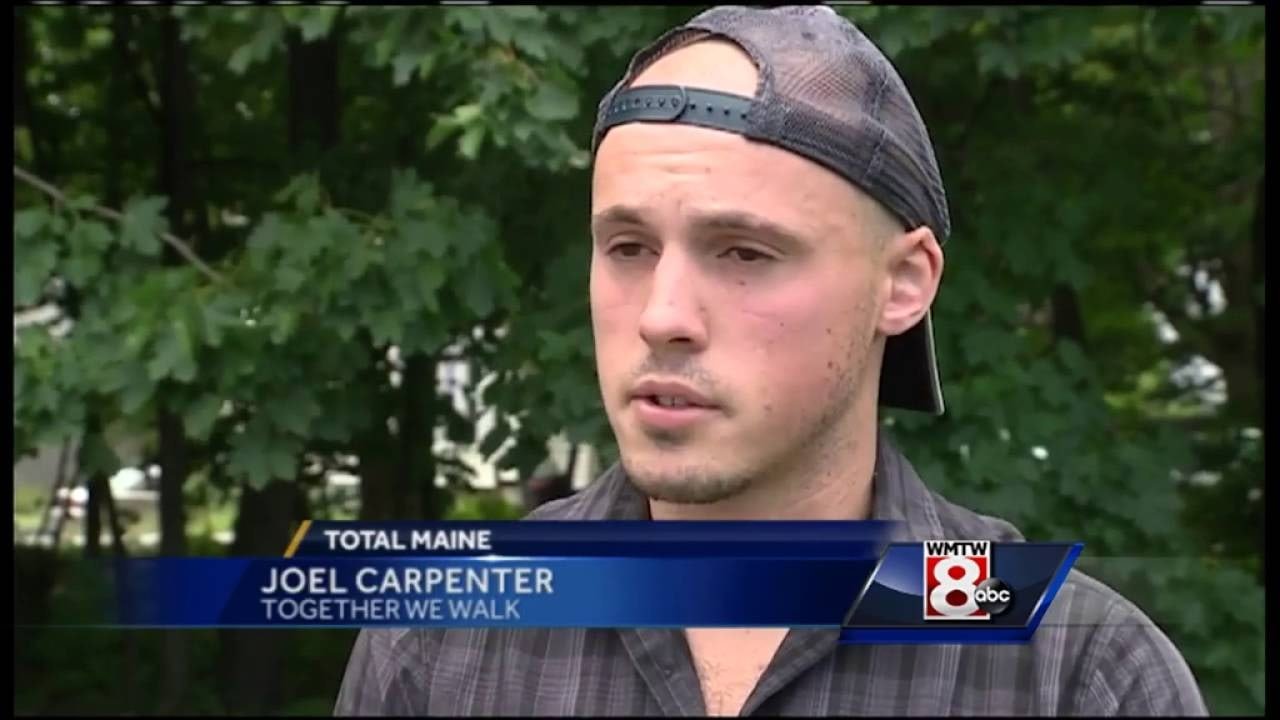
When Marcus finished the trail, he said in the interview that some days the dog was the only reason he kept walking. People took that as sweetness, as the human-animal bond doing its quiet work. I took it as logistics. You committed to taking that dog on that trail. The dog needs to finish. So you finish.
Minus fifteen and no wind yet, and the dogs were watching my hands, and I got every harness buckled in the dark before the sun cleared the flat edge of the world, and we ran eight miles and came back and I fed them and filled the water and none of it was poetic or redemptive or anything other than the morning’s work done right.
Marcus walked 2,190 miles on two prosthetic legs because a dog needed to get to the end of the trail.
That’s the whole story. That’s enough.

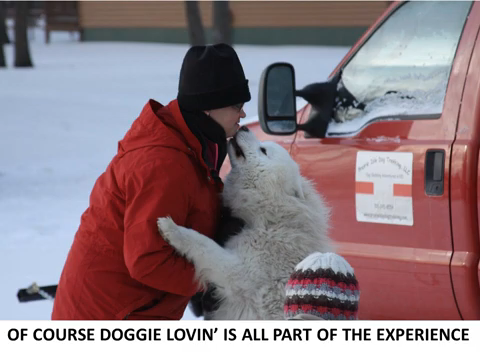
Helen L. Corlew runs a team of Samoyeds, Alaskan malamutes and Alaskan huskies. I am a Tellington TTouch practitioner and use this mode of work with training and living with my dogs.
Helen Corlew founded Prairie Isle Dog Trekking in Petersburg, North Dakota in 2010, and has spent the fifteen years since doing something most people only read about: teaching real dog sledding on real prairie terrain, at the edge of a landscape that doesn’t apologize for being difficult.
She is not a weekend enthusiast. She harnesses working dogs in January cold, trains handlers who have never touched a sled, and has built one of the only hands-on mushing education programs on the Northern Great Plains — from a single address on Highway 2, with no marketing budget and no shortcuts.
Her writing on Prairie Isle Dog Trekking reflects the same philosophy. Whether she is covering trail safety across the Rockies, breed behavior in extreme conditions, or what it actually takes to trek with a dog in the Alps, Helen writes from the position of someone who has done the work before writing the sentence.
She lives and runs dogs in Nelson County, North Dakota.
Kindly follow me on Social Media!