


Hiking with a puppy introduces young dogs to outdoor terrain, physical conditioning, and socialization in natural environments. Puppies require stricter distance limits, veterinary clearance, and hazard monitoring than adult dogs. A structured approach to trail hiking protects developing joints and builds long-term trail confidence.
What Is Hiking with a Puppy?
Hiking with a puppy is guided trail walking with a dog under 18 months of age. Puppy hiking differs from adult dog hiking because young dogs have open growth plates, immature immune systems, and limited stamina. Breeds commonly taken on puppy hikes include Labrador Retrievers, Golden Retrievers, Border Collies, and Australian Shepherds. For the previous guide in this series, see Hiking with French Bulldog: 7 Trail Tips, Gear Guide, and Breathing Safety Rules.
At What Age Can a Puppy Start Hiking?
A puppy can start short, flat hikes at 8 to 10 weeks of age, limited to 5 to 10 minutes per session. Longer trail hikes on uneven terrain should wait until growth plates close, which occurs between 12 and 18 months depending on breed size. Large breeds, such as German Shepherds and Bernese Mountain Dogs, require the full 18-month waiting period.
How Do Growth Plates Affect a Puppy’s Hiking Readiness?
Growth plates are cartilage areas at the ends of developing bones. They are softer and more injury-prone than mature bone tissue. According to the American Veterinary Medical Association (AVMA), repetitive impact on open growth plates increases the risk of permanent joint deformities in large-breed puppies. A veterinary X-ray confirms growth plate closure before hiking longer distances.
How Far Can a Puppy Hike?


A puppy can hike a maximum of 5 minutes per month of age, twice per day. A 3-month-old puppy handles 15 minutes per session. A 6-month-old puppy handles 30 minutes per session.
What Is the Recommended Hiking Distance by Puppy Age and Breed Size?
|
Age |
Small Breeds (under 25 lbs) |
Medium Breeds (25–55 lbs) |
Large Breeds (over 55 lbs) |
|---|---|---|---|
|
8–12 weeks |
0.25–0.5 miles |
0.25–0.5 miles |
0.25 miles |
|
3–6 months |
0.5–1 mile |
0.5–1 mile |
0.5 miles |
|
6–12 months |
1–2 miles |
1–3 miles |
1–2 miles |
|
12–18 months |
2–4 miles |
3–5 miles |
2–4 miles |
Small breeds, such as Beagles and Corgis, have faster growth plate closure. Large breeds, such as Great Danes and Rottweilers, require the longest wait before high-distance hikes.
What Are the 8 Safety Rules for Hiking with a Puppy?
There are 8 safety rules for hiking with a puppy. These cover veterinary preparation, gear, trail selection, and physical monitoring.
1. Does Your Puppy Have Veterinary Clearance for Hiking?
A puppy needs veterinary clearance before any trail hike. The vet assesses joint health, cardiovascular fitness, and weight. Puppies with hip dysplasia, luxating patellas, or underweight conditions require modified activity plans before hiking.
2. What Vaccinations Does a Hiking Puppy Need?
A puppy needs 4 core vaccinations before trail hiking. These include rabies, distemper, parvovirus, and bordetella. The American Animal Hospital Association (AAHA) recommends completing the full puppy vaccination series, typically finished by 16 weeks, before exposure to public trails. Leptospirosis vaccination is also recommended for puppies exposed to wildlife or standing water.
3. What Gear Does a Puppy Need for Hiking?
A puppy needs 5 essential gear items for trail hiking:
- Adjustable harness — prevents neck strain from leash pulling
- Collapsible water bowl — allows hydration at frequent intervals
- Puppy-specific first aid kit — includes gauze, antiseptic wipes, and a rectal thermometer
- Tick and flea repellent — use only formulas approved for puppies under the product’s stated age minimum
- Identification tag with current contact details — required on all public trails
4. What Trail Features Are Safe for Puppies?
The safest trails for puppies have flat terrain, soft ground surfaces, and a maximum elevation gain of 200 feet. Suitable trail surfaces include packed dirt, grass, and pine needle paths. Avoid asphalt, sharp gravel, and exposed rock surfaces, which cause paw abrasion and joint stress in young dogs.
5. How Much Water Does a Puppy Need on a Hike?
A puppy needs 1 ounce of water per pound of body weight per day. A 15-pound puppy requires at least 15 ounces of water during a trail session. Offer water every 10 to 15 minutes. Dehydration in puppies presents as dry gums, excessive panting, and loss of skin elasticity.
6. What Should a Puppy Eat Before and During a Trail Hike?
Feed a puppy a small, digestible meal 90 minutes before hiking. High-fat meals before exercise increase the risk of gastric upset. During the hike, carry puppy-formulated trail snacks. Examples include small training treats, freeze-dried protein bites, and soft chews designed for young dogs. Avoid adult dog treats, which exceed caloric and sodium limits for puppies.
7. What Trail Hazards Affect Puppies?
There are 6 trail hazards that affect puppies specifically:
- Unvaccinated wildlife contact: Raccoons, foxes, and bats carry rabies and distemper
- Standing water: Harbors leptospirosis, giardia, and blue-green algae toxins
- Toxic plants: Examples include wild parsley, nightshade, and death camas
- Sharp debris: Broken glass, thorns, and metal fragments cause deep paw lacerations
- Extreme temperatures: Puppies regulate body heat less efficiently than adult dogs
- Overexertion: Puppies do not self-limit activity and will continue running past their physical threshold
8. Does a Puppy Need to Be Leashed on Hiking Trails?
A puppy must remain leashed on all public hiking trails. Puppies lack reliable recall at early training stages. The Leave No Trace Center for Outdoor Ethics states that leashed dogs on trails reduce wildlife disturbance and prevent conflicts with other hikers. Keep leash length at 6 feet maximum for effective control.
What Are the 4 Health Benefits of Hiking for Puppies?
Hiking provides 4 measurable health benefits for puppies:
- Develops musculoskeletal strength: Low-impact trail movement builds balanced muscle development around developing joints.
- Improves socialization: Trail environments expose puppies to new sounds, smells, and human interactions. Research in Applied Animal Behaviour Science confirms that early environmental exposure reduces fear-based behaviour in adult dogs.
- Supports healthy weight: Controlled physical activity from an early age reduces obesity risk. The Association for Pet Obesity Prevention reports that 59% of dogs in the US are classified as overweight or obese.
- Builds trail confidence: Repeated positive trail experiences reduce anxiety responses to unfamiliar terrain, other dogs, and outdoor stimuli.
How Do You Train a Puppy for Trail Hiking?
Training a puppy for trail hiking follows a 4-stage progressive plan:
- Stage 1 (Weeks 1–2): Practice leash walking on flat pavement for 10 minutes daily. Reinforce heel, sit, and come commands.
- Stage 2 (Weeks 3–4): Transition to grass or packed dirt paths for 15 minutes. Introduce mild surface changes such as gravel and tree roots.
- Stage 3 (Weeks 5–6): Complete a 20 to 30 minute session on a short, flat trail. Monitor breathing rate and paw condition throughout.
- Stage 4 (Weeks 7–8): Attempt a 0.5 to 1 mile trail appropriate for the puppy’s age and breed size. Carry the puppy for any section exceeding the recommended distance limit.
What Are the Post-Hike Care Steps for a Puppy?
Post-hike care for a puppy includes 5 steps:
- Inspect all 4 paws for cuts, swelling, cracked pads, or lodged debris such as thorns and splinters
- Check ears, armpits, and groin folds for attached ticks
- Rinse the coat with clean water to remove trail allergens, pollen, and surface irritants
- Offer fresh water and a portion-appropriate puppy meal within 30 minutes of completing the hike
- Allow 24 hours of rest before the next trail session to support muscle recovery and joint repair
Hiking with a Puppy: Key Takeaways
Hiking with a puppy requires preparation across 4 areas: veterinary clearance, age-appropriate distance limits, proper trail selection, and post-hike recovery. Puppies benefit from early trail exposure when distance and terrain match their developmental stage. A progressive training plan, combined with the 8 safety rules, reduces injury risk and establishes lifelong trail readiness in young dogs.
Related guides
- Best Dog Breeds for Hiking: 10 Top Breeds, Key Traits, and Trail Suitability Guide

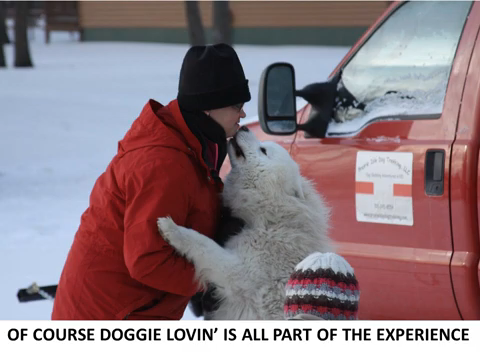
Helen L. Corlew runs a team of Samoyeds, Alaskan malamutes and Alaskan huskies. I am a Tellington TTouch practitioner and use this mode of work with training and living with my dogs.
Helen Corlew founded Prairie Isle Dog Trekking in Petersburg, North Dakota in 2010, and has spent the fifteen years since doing something most people only read about: teaching real dog sledding on real prairie terrain, at the edge of a landscape that doesn’t apologize for being difficult.
She is not a weekend enthusiast. She harnesses working dogs in January cold, trains handlers who have never touched a sled, and has built one of the only hands-on mushing education programs on the Northern Great Plains — from a single address on Highway 2, with no marketing budget and no shortcuts.
Her writing on Prairie Isle Dog Trekking reflects the same philosophy. Whether she is covering trail safety across the Rockies, breed behavior in extreme conditions, or what it actually takes to trek with a dog in the Alps, Helen writes from the position of someone who has done the work before writing the sentence.
She lives and runs dogs in Nelson County, North Dakota.
Kindly follow me on Social Media!


