


How Cold Is Too Cold to Walk a Dog? A Temperature Guide
What Temperature Is Too Cold to Walk a Dog?
Most healthy dogs are safe to walk in temperatures above 45°F, while temperatures below 20°F are too cold for many dogs, especially small breeds, puppies, and seniors.
There is no single number that applies to every dog. A Siberian Husky with a thick double coat can comfortably walk in weather that would put a Chihuahua at risk within minutes. Veterinarians commonly point to 32°F as a general point to start limiting outdoor time for any dog, regardless of size or coat, and to treat anything below 20°F with real caution.
What Is the Temperature Guide by Range?
Cold-weather risk for dogs breaks into five general temperature bands, from safe for all dogs to unsafe for nearly all of them.
| Temperature | Risk Level | Guidance |
|---|---|---|
| Above 45°F | Safe | Normal walks for most healthy dogs |
| 32°F to 45°F | Low risk | Fine for most dogs; small, thin-coated, senior, or young dogs may need a coat or shorter walk |
| 20°F to 32°F | Moderate risk | Shorten walks; use a coat or booties for cold-sensitive dogs |
| 10°F to 20°F | High risk | Limit outdoor time to quick bathroom breaks for most dogs |
| Below 10°F | Severe risk | Risky even for cold-adapted breeds; stay indoors when possible |
Which Factors Affect a Dog’s Cold Tolerance?
A dog’s cold tolerance depends on six main factors: size, age, coat type, health status, activity level, and moisture.
- Size: smaller dogs lose body heat faster than larger dogs, since they have more surface area relative to their body mass.
- Age: puppies and senior dogs regulate body temperature less effectively than healthy adults.
- Coat type: double-coated breeds hold in more warmth than short-haired or thin-coated breeds.
- Health status: dogs with arthritis, heart conditions, or other chronic illness tolerate cold less well.
- Activity level: a brisk walk generates more body heat than standing or a slow stroll.
- Moisture: wet fur loses insulating value quickly, so snow or rain lowers a dog’s effective cold tolerance even when the air temperature stays the same.
Wind also matters more than the number on a thermometer. Wind chill lowers how cold the air actually feels against skin and fur, so checking the wind chill temperature, not just the air temperature, gives a more accurate read on walking conditions. Most weather apps display both figures side by side, and on a windy day the gap between them can be large enough to change which row of the temperature guide actually applies.
Which Dog Breeds Tolerate Cold Weather Best?

Double-coated, cold-climate breeds tolerate cold weather best, while small and short-haired breeds are the most cold-sensitive.
- Cold-tolerant breeds: Siberian Huskies, Alaskan Malamutes, Samoyeds, Bernese Mountain Dogs, and Saint Bernards, all bred for cold climates with thick double coats.
- Cold-sensitive breeds: Chihuahuas, Greyhounds, Boxers, Dachshunds, French Bulldogs, Boston Terriers, Whippets, and Yorkshire Terriers, all with short or thin coats and little body fat for insulation.
Breed is one factor among several, not an override. A senior or unwell Husky still needs the same caution as any other older or sick dog in freezing weather.
What Are the Signs a Dog Is Too Cold?
Early signs a dog is too cold include shivering, lifting the paws, and trying to turn back toward home.
- Shivering or hunching the back to conserve body heat.
- Repeatedly lifting one paw at a time off the cold ground.
- Slowing down, stopping, or turning back before the usual end of a walk.
- Whining or seeking shelter behind the owner or near a building.
More serious signs need immediate attention: pale or blue-tinged gums, stiffness or clumsiness, cold or hard patches of skin, and loss of consciousness. Any of these calls for getting the dog indoors right away and contacting a veterinarian.
What Is Hypothermia in Dogs?
Hypothermia in dogs is a body temperature drop below about 99°F, compared with a normal canine body temperature of roughly 101°F to 102.5°F.
Hypothermia develops after extended exposure to cold, especially when a dog is wet or exposed to wind. Mild cases show shivering and lethargy, while moderate to severe hypothermia brings on muscle stiffness, a weak or slow pulse, and eventually loss of consciousness as the body prioritizes its core organs over the extremities. It is a medical emergency rather than something to treat at home; a dog showing signs of hypothermia needs a veterinarian immediately, alongside gradual warming with dry towels or blankets on the way there.
How Do You Protect a Dog on a Cold Walk?
A dog can stay safer in cold weather with four simple precautions: appropriate gear, shorter walks, paw care, and closer monitoring.
- Add a coat or sweater for small, short-haired, senior, or young dogs once temperatures drop toward 40°F.
- Use dog booties to protect paws from ice, snow buildup between the toes, and chemical ice-melt products, which can irritate skin or cause harm if licked off.
- Break one long walk into two or three shorter ones instead, so no single outing pushes past a dog’s comfortable limit.
- Wipe paws, belly, and legs with a damp towel after a snowy walk to remove ice-melt residue before the dog can lick it off.
Is There a Single Safe Cold-Weather Number for Dogs?
No single number works for every dog; the temperature guide above is a starting point, and a dog’s own behavior during the walk is the better real-time signal.
A simple check for most pet owners: conditions cold enough to feel painful on exposed human skin within a few minutes are cold enough to warrant a shorter walk and a coat for most dogs, cold-adapted breeds aside. Watching for the early signs of discomfort, rather than relying on the thermometer alone, catches problems before they become an emergency.
Common Questions About Walking a Dog in Cold Weather
Can a Dog Get Frostbite on a Short Walk?
Yes, in extreme cold or high wind. Ears, paws, and the tail are most at risk, since blood flow to these areas reduces first as the body works to protect its core temperature.
Do Dog Booties Actually Help in Cold Weather?
Yes. Booties protect paw pads from ice, snow buildup, and chemical ice-melt products, and many dogs adjust to wearing them within a few short practice sessions indoors.
Is It Safe to Walk a Puppy in the Snow?
Briefly, with extra caution. Puppies regulate body temperature less effectively than adult dogs, so walks work best kept shorter and limited mainly to bathroom breaks once temperatures drop below about 32°F.
Do Senior Dogs Need Extra Precautions in Cold Weather?
Yes. Arthritis and other joint conditions common in older dogs tend to worsen in cold weather, and older dogs regulate body temperature less efficiently than younger adults, so shorter, more frequent walks with a coat are generally a better fit than one long outing.
Sources
- Mills Animal Hospital: When Is It Too Cold to Walk Your Dog?
- PetMD: 5 Tips for Walking Your Dog in the Winter
- Hepper: What Temperature Is Too Cold to Walk My Dog?
- NBC News: How Cold Is Too Cold for Dogs? Vets Explain Pet Winter Safety
- Stella & Chewy’s: When Is It Too Cold to Walk Your Dog?

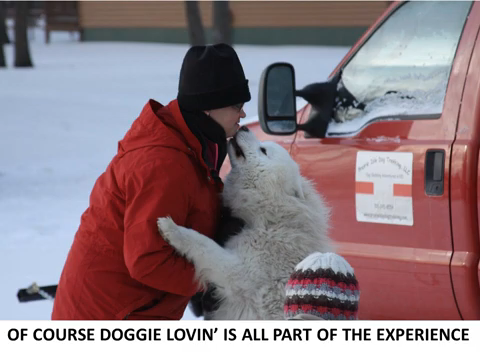
Helen L. Corlew runs a team of Samoyeds, Alaskan malamutes and Alaskan huskies. I am a Tellington TTouch practitioner and use this mode of work with training and living with my dogs.
Helen Corlew founded Prairie Isle Dog Trekking in Petersburg, North Dakota in 2010, and has spent the fifteen years since doing something most people only read about: teaching real dog sledding on real prairie terrain, at the edge of a landscape that doesn’t apologize for being difficult.
She is not a weekend enthusiast. She harnesses working dogs in January cold, trains handlers who have never touched a sled, and has built one of the only hands-on mushing education programs on the Northern Great Plains — from a single address on Highway 2, with no marketing budget and no shortcuts.
Her writing on Prairie Isle Dog Trekking reflects the same philosophy. Whether she is covering trail safety across the Rockies, breed behavior in extreme conditions, or what it actually takes to trek with a dog in the Alps, Helen writes from the position of someone who has done the work before writing the sentence.
She lives and runs dogs in Nelson County, North Dakota.
Kindly follow me on Social Media!
