


Remy pulled her left front paw up at mile two, and I knew before I stopped what I’d find. The bootie had rolled. Not torn. Not lost. Rolled, bunched under the pad like a wrinkle in a sock, and she’d been compensating long enough that her gait had changed without me noticing. I pulled it off. Looked at the seam. Forty-two dollars, that boot. The product page said performance-engineered for rugged terrain. I put it in my pocket and we finished the last mile bare.
That was October. By February I’d worked through eleven brands, four hundred miles of mixed terrain, and more fitting instructions than I’ve ever read for anything I’ve put on my own feet. A journalist had reached out asking what I thought about dog boots for winter hiking, and instead of answering from what I already knew, I decided to do it right. Buy them all. Run them. See what holds.
Here’s what I found out fast: most of these products are designed by people who have never watched a dog move at speed in cold. They’re designed for the photo, for the retail shelf, for the owner who feels better having bought something. The dog is almost incidental to the engineering.
Working sled dog booties have been figured out for decades. Fleece or polar fleece upper, Velcro closure that wraps above the dewclaw, no sole or a thin breathable sole, sized by paw width not length. They stay on. They protect. They cost about a dollar fifty each and I go through them by the gross. Nobody’s selling them in outdoor retail stores because they’re not pretty and you can’t charge thirty-eight dollars for them.
The hiking boot market went a different direction. Soles thick enough for a person’s foot. Lacing systems. Neoprene. One brand included an instruction card that recommended a ten to fourteen day acclimation period. I set that card on the workbench next to the frozen harnesses and stood there for a moment in the kennel smell, the cold coming up through the concrete floor into my boots, and I thought about what it means to build something for an animal you’ve never actually watched work. Then I went outside.
What matters in a dog boot, from the ground up: the sole needs enough grip for wet rock, enough flex to not alter stride mechanics, thin enough that the dog can still feel surface changes and self-correct. The upper needs to close above the dewclaw without cutting circulation. The closure needs to hold through mud, through creek crossings, through a dog shaking its foot in protest, which every dog will do for the first three outings minimum.

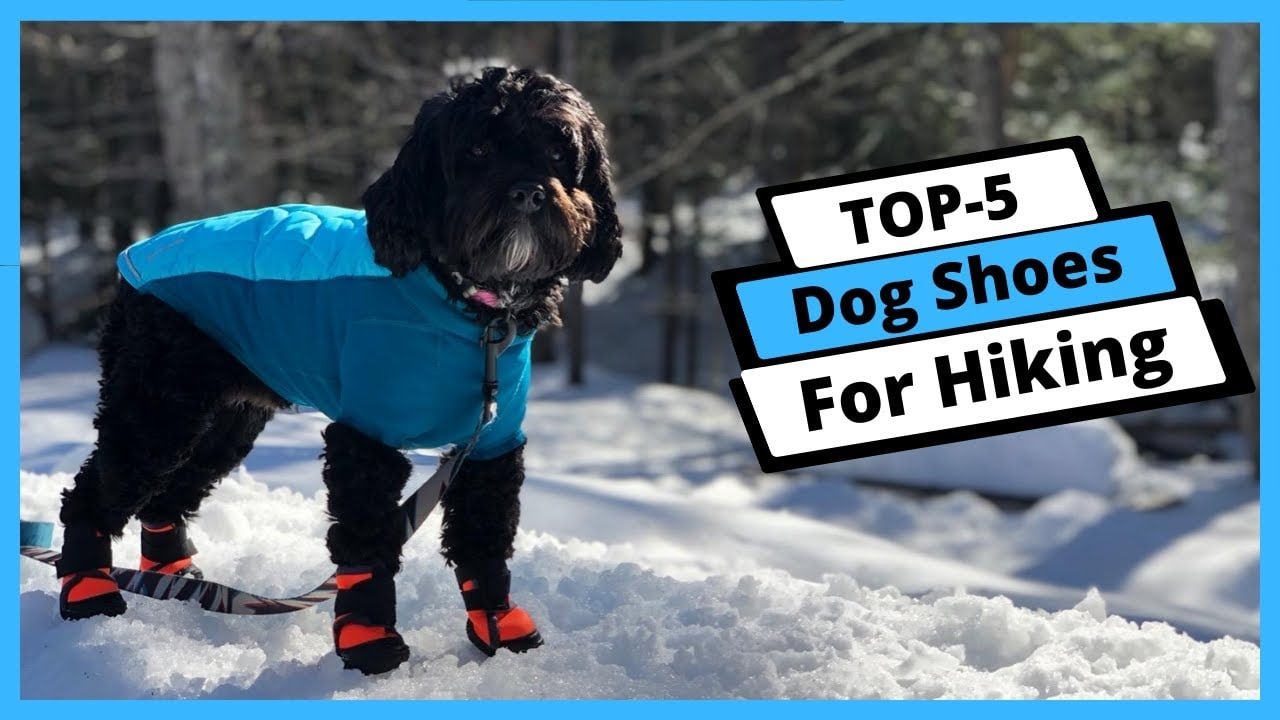
Two brands got this right. Ruffwear Grip Trex, which has been around long enough to have been actually field-tested by people who use dogs hard. And Muttluks Fleece-Lined, which solved the closure problem before most competitors had even entered the market. Neither is cheap. Both work.
The rest of the field failed in rotation. Soles too stiff. Closures that loosened after the first water crossing. Sizing charts that don’t account for the difference between a dog’s static paw print and its loaded footprint when weight-bearing on uneven ground. One boot had a reflective logo on the toe that peeled off in the first cold snap and left an adhesive patch that collected gravel. A gravel patch. On the bottom of a boot. On a dog’s foot.
I’ve got a pegboard in the kennel with hooks for every piece of equipment that’s touched these dogs. If something ends up on the floor instead of a hook, it’s not coming back out. By the end of February, nine brands were on the floor.
The acclimation card stayed on the workbench all winter. I kept meaning to throw it away and kept not doing it. There’s something in it I wanted to keep looking at, something about the distance between the person who wrote it and the animal they were writing about. That distance is where bad gear gets made. That distance is where dogs go lame.
Spend enough time watching how a dog uses its feet and you stop being able to look at most of what’s marketed to dog owners without feeling something close to impatience. The dogs don’t need beautiful. They need functional. Those are different problems, and only occasionally the same product.

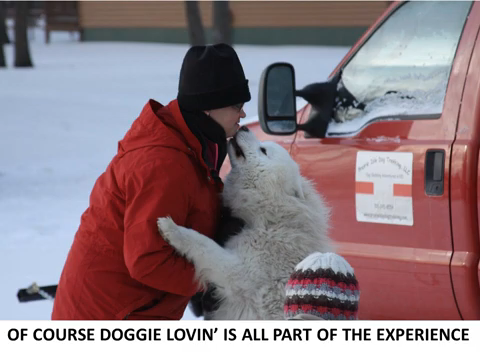
Helen L. Corlew runs a team of Samoyeds, Alaskan malamutes and Alaskan huskies. I am a Tellington TTouch practitioner and use this mode of work with training and living with my dogs.
Helen Corlew founded Prairie Isle Dog Trekking in Petersburg, North Dakota in 2010, and has spent the fifteen years since doing something most people only read about: teaching real dog sledding on real prairie terrain, at the edge of a landscape that doesn’t apologize for being difficult.
She is not a weekend enthusiast. She harnesses working dogs in January cold, trains handlers who have never touched a sled, and has built one of the only hands-on mushing education programs on the Northern Great Plains — from a single address on Highway 2, with no marketing budget and no shortcuts.
Her writing on Prairie Isle Dog Trekking reflects the same philosophy. Whether she is covering trail safety across the Rockies, breed behavior in extreme conditions, or what it actually takes to trek with a dog in the Alps, Helen writes from the position of someone who has done the work before writing the sentence.
She lives and runs dogs in Nelson County, North Dakota.
Kindly follow me on Social Media!


