

The first dog off the line that morning was Sable, and she hit the gangline so hard the whole team lurched before I’d hooked the second one. Minus fifteen. No wind yet. The kind of quiet that makes your ears ring.
A father from the school group was standing closer than I’d asked him to, maybe four feet off my shoulder, and he had his phone out. When Sable lunged again he flinched back into the snow and said, she’s not going to bite anyone, is she? He wasn’t scared. He was performing scared, the way people do when they want to seem engaged. I told him no. I didn’t say what I was actually thinking, which was: that dog has more self-control than you do right now, standing where I told you not to stand.
I’ve been thinking about that moment a lot lately, reading through the noise about the National Park Service and its dog restrictions. The online petitions. The editorials calling NPS bureaucrats disconnected from real Americans. People furious that they can’t bring their dog to Glacier, to the Smokies, to the backcountry they feel entitled to share with a lab mix who’s never been farther from a suburb than the dog park two blocks over.
I get it, and I don’t get it.
What I get: people love their dogs. That’s real. What I don’t get is the assumption that love is the same thing as understanding. It isn’t. Not even close.
Here’s what nobody in those comment threads wants to say plainly: most pet dogs are not prepared for wilderness environments, and most pet dog owners have no reliable way to know that until something happens. The dog who heels beautifully on a sidewalk, who comes when called in a fenced yard, who has never once given you a reason to worry. That dog has never had its prey drive triggered by a pika at altitude, has never smelled a grizzly, has never been asked to hold steady when a marmot breaks cover ten feet away. You don’t know what your dog will do. You think you do.
I’ve been running dogs professionally for fifteen years in conditions that discourage pretending. Flat prairie. No trees to orient by. Cold that stops your hands before you’ve registered the fact. I’ve watched good dogs, trained dogs, dogs who’d been on ganglines for two seasons, do unpredictable things when something new entered the picture. A pheasant. A stranger’s scent on the wind. A piece of equipment that rattled wrong. The variable I couldn’t account for was always the one that mattered.

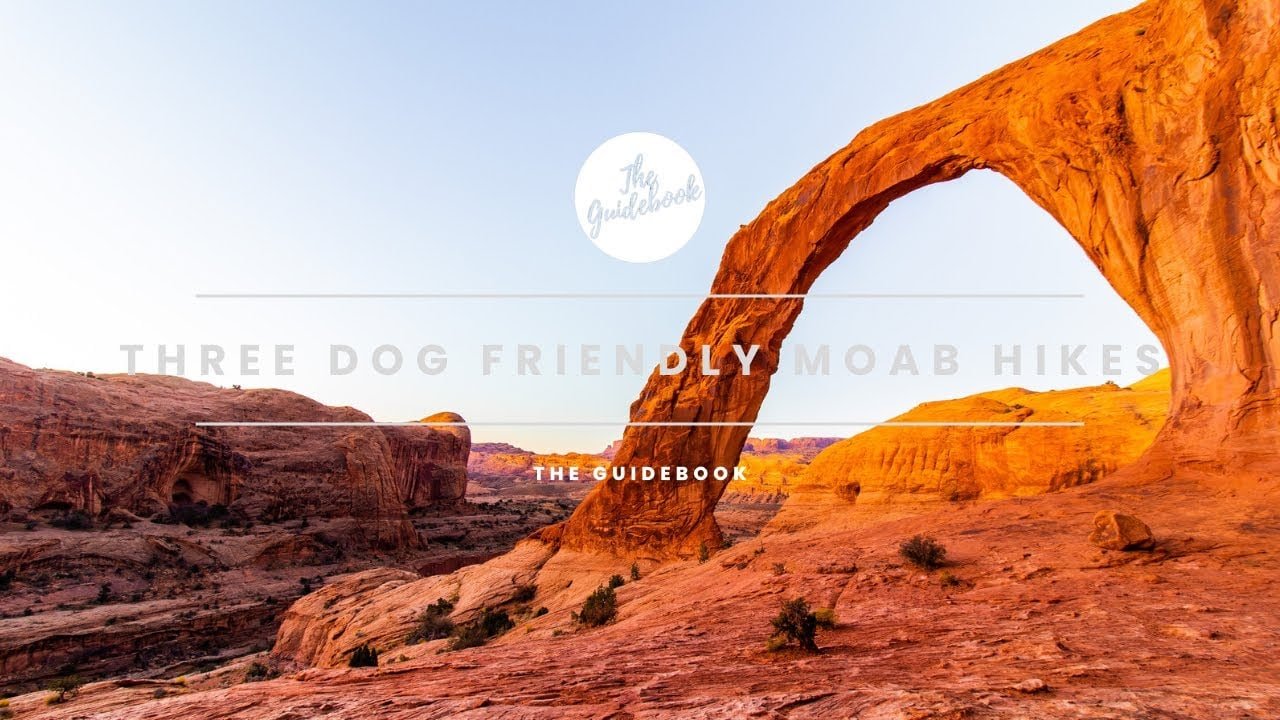
NPS isn’t restricting dogs because bureaucrats hate fun. They’re restricting dogs because meadows where pronghorn calve don’t recover from repeated disturbance, because ground-nesting birds don’t get a second chance once the nest fails, because a dog who bolts after a bighorn sheep on a cliff trail creates a rescue operation or a body. These aren’t edge cases. They’re documented, recurring, and preventable.
The frustration I have with the hiking community’s argument is that it keeps centering the owner’s feelings rather than the land and what it holds. The parks aren’t recreation infrastructure. They’re habitat that we are, at considerable collective effort, trying not to destroy. Your dog’s presence in that habitat is a choice with consequences that extend beyond the two of you and your Instagram reel.
What would I say to someone who genuinely believes their dog is different, is ready, is the exception? I’d say: maybe. I’d also say: every person who’s ever watched me clip a dog into a harness for the first time has believed that about their animal. And they’re not wrong to love them that way. But love doesn’t change what a dog’s nose does when it scents something it’s never scented before. It doesn’t change the math of an ecosystem that took ten thousand years to get here.
The parks aren’t perfect stewards. Nothing is. But this particular restriction isn’t the overreach people want it to be.
The prairie teaches you early: the land doesn’t negotiate.

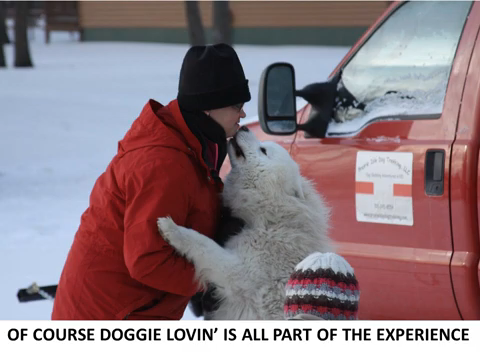
Helen L. Corlew runs a team of Samoyeds, Alaskan malamutes and Alaskan huskies. I am a Tellington TTouch practitioner and use this mode of work with training and living with my dogs.
Helen Corlew founded Prairie Isle Dog Trekking in Petersburg, North Dakota in 2010, and has spent the fifteen years since doing something most people only read about: teaching real dog sledding on real prairie terrain, at the edge of a landscape that doesn’t apologize for being difficult.
She is not a weekend enthusiast. She harnesses working dogs in January cold, trains handlers who have never touched a sled, and has built one of the only hands-on mushing education programs on the Northern Great Plains — from a single address on Highway 2, with no marketing budget and no shortcuts.
Her writing on Prairie Isle Dog Trekking reflects the same philosophy. Whether she is covering trail safety across the Rockies, breed behavior in extreme conditions, or what it actually takes to trek with a dog in the Alps, Helen writes from the position of someone who has done the work before writing the sentence.
She lives and runs dogs in Nelson County, North Dakota.
Kindly follow me on Social Media!


