


What Good Looks Like
Sable came to me from a kennel in Minnesota that had just shut down. Eighteen months old, never raced, never worked a real run. The woman surrendering her apologized twice for the condition of the crate, which was spotless, and showed me a folder of vet records going back to Sable’s first week of life. Every vaccine. Every checkup. Growth charts. The dog had eaten better than most kennel dogs I’d seen and slept in a climate-controlled building and been handled gently her whole short life.
She cowered when I reached for her harness the first time. Not fear-aggressive. Just gone somewhere small inside herself, ears flat, tail tucked, the whole body saying: I don’t know what this is and I don’t know what you want and I have learned that waiting is safer than guessing. She was the most materially well-cared-for dog I’d ever taken in and she was a mess.
The Alaska piece ran in one of those magazines that does long-form profiles of people doing things correctly. Heated sleeping boxes, premium kibble, individual enrichment plans, a full-time vet on retainer, acres of fenced running space. The photographs were beautiful. The mushers in the piece talked about their dogs the way good parents talk about their kids, with specificity and humor and no sentimentality, and the whole operation looked like the answer to every criticism anyone had ever made about working dog kennels.
I read it twice. The second time I was trying to figure out what was making me uneasy and I couldn’t name it cleanly, which meant I had to sit with it.
Here’s what I came to. The piece was about conditions. Square footage and nutrition and veterinary access and temperature regulation. All of it real, all of it genuinely better than most dogs get anywhere. But conditions are not the same thing as a life. And a life for a working dog is not the same thing as a life for any other kind of dog, and that distinction never made it into the piece at all.
Sable’s first real run was four miles. Flat prairie, minus ten, the cold biting clean at the top of the sinuses the way it does when there’s no wind to blur it. She ran wheel position, the safest spot, and for the first quarter mile she ran with her tail still low and her head uncertain and then something shifted in her and the tail came up and she hit the tug line and leaned into it and I felt it through the whole team, that particular addition of a dog that has finally understood what her body is for.
She came back to the yard different. Not calmer. More present. She ate her food fast and slept hard and the next morning when I came out she was standing at the front of her box watching for me, which she had never done before.

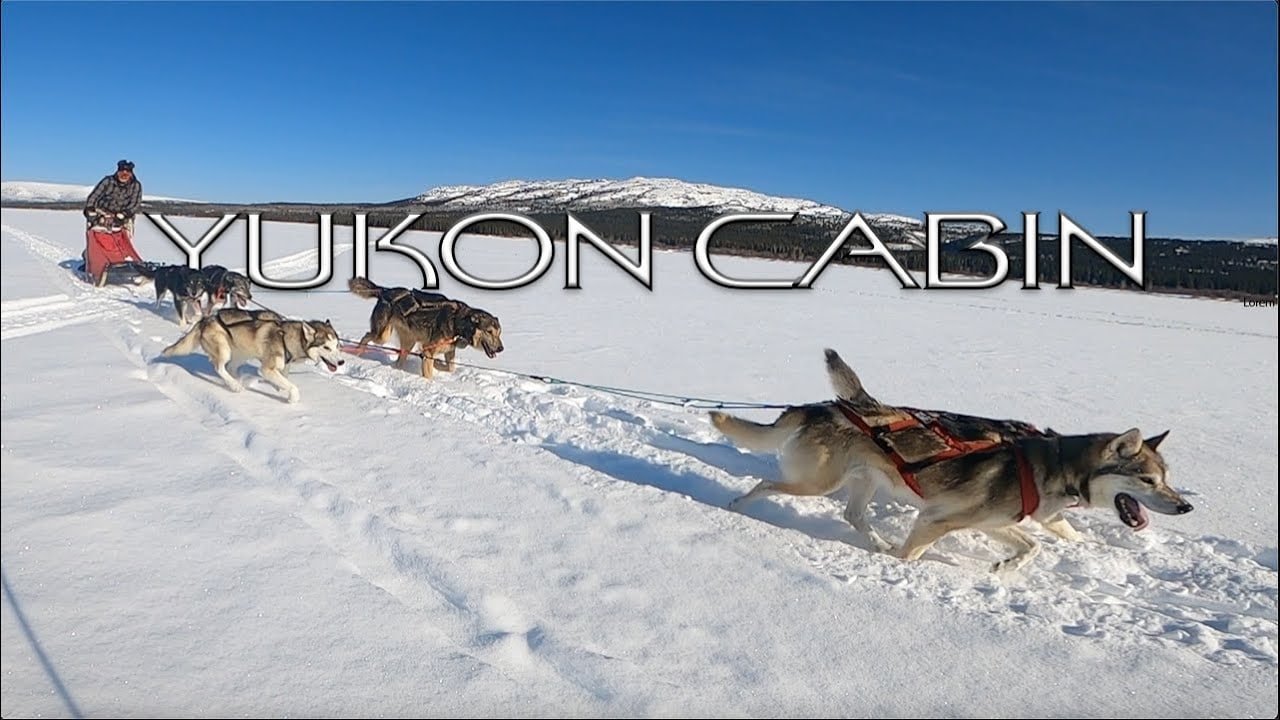
That’s not a result of heated sleeping quarters. That’s a result of work.
The Alaska kennel in that piece is doing right by their dogs in the ways the piece can see and measure and photograph. I’m not disputing that. But the welfare of a working dog is not primarily a material question. It’s a question of use. A dog built to run that never runs is not a dog living well, regardless of what it eats or where it sleeps. The fancy kennel without the work is just a comfortable holding pattern.
The hard thing about writing that down is that it can be misread as a justification for bad conditions. It isn’t. Bad conditions are bad conditions. Dogs need shelter and food and veterinary care and they need not to be hurt. That’s a floor, not a ceiling.
But the ceiling is the run. The cold air and the tug line going tight and the particular silence of flat land right before a team launches and you feel twelve dogs become one thing underneath you. That’s what a working dog is built for and it’s what no enrichment plan has ever replicated.
Sable is seven now. She leads. She’s the dog I put up front when I have a group that needs steadiness, when the weather is wrong and I need the team to trust something.
She doesn’t need the folder of vet records anymore to tell me she’s okay. I can see it in how she stands at the front of her box every morning, watching for me, already ready.
That’s what good looks like. It doesn’t photograph as well. But it’s the thing.

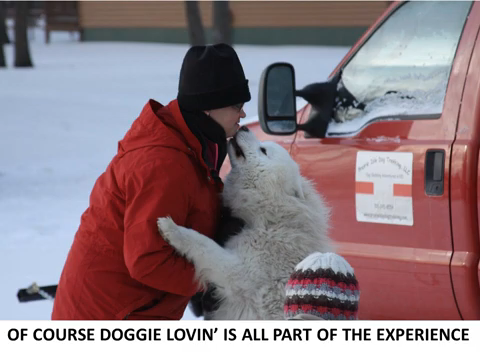
Helen L. Corlew runs a team of Samoyeds, Alaskan malamutes and Alaskan huskies. I am a Tellington TTouch practitioner and use this mode of work with training and living with my dogs.
Helen Corlew founded Prairie Isle Dog Trekking in Petersburg, North Dakota in 2010, and has spent the fifteen years since doing something most people only read about: teaching real dog sledding on real prairie terrain, at the edge of a landscape that doesn’t apologize for being difficult.
She is not a weekend enthusiast. She harnesses working dogs in January cold, trains handlers who have never touched a sled, and has built one of the only hands-on mushing education programs on the Northern Great Plains — from a single address on Highway 2, with no marketing budget and no shortcuts.
Her writing on Prairie Isle Dog Trekking reflects the same philosophy. Whether she is covering trail safety across the Rockies, breed behavior in extreme conditions, or what it actually takes to trek with a dog in the Alps, Helen writes from the position of someone who has done the work before writing the sentence.
She lives and runs dogs in Nelson County, North Dakota.
Kindly follow me on Social Media!


