


The dogs were lined out in the dark at five-thirty, and I was checking tuglines by headlamp when the radio caught Jessie Holmes finishing in Nome. My lead dog Sable turned her head at the sound of the announcer’s voice. She does that sometimes, as if human tone carries information worth weighing.
Nine days, seven hours, thirty-two minutes on a roughly thousand-mile course is what the performance report says. Back-to-back wins, sixth musher in the race’s history to do it. The coverage since has focused heavily on Holmes himself, which is understandable and also not the most instructive part of the story.
The most interesting part is the dogs, and more specifically, the years of selection and conditioning that built the team capable of those miles. Championship mushing is not about a single excellent dog. It is about depth, consistency, and the absence of weaknesses that a thousand miles will find and exploit.
I spent a season working with a handler who believed her strongest lead dog could carry the team through most problems. She was right about the lead dog’s quality and wrong about everything the conclusion implies. Two dogs in her mid-team had been conditioning together for less than four months before a serious distance run. They were physically capable and psychologically unprepared, and the difference showed up at mile sixty.
Holmes has been building his kennel in Alaska for years, long before television brought attention to his location and his life. The Life Below Zero coverage is not irrelevant, but it has created a version of his story weighted toward lifestyle over methodology. What actually produced a back-to-back Iditarod win is documented not in cameras but in feeding logs, training distances, and decisions made about individual dogs every single day.
What I apply through Tellington TTouch every morning before a run is a physical check of each dog’s tissue quality, tension patterns, and pain response. That is not a therapeutic add-on. That is data collection, and it shapes every decision I make about each dog’s daily work.
Championship teams are not built by generalizing. They are built by knowing each dog’s individual threshold, recovery rate, and the conditions under which they thrive versus decline. Holmes knows his dogs that way. That knowledge is not telegenic, which is why the television version of his story tends to skip it.

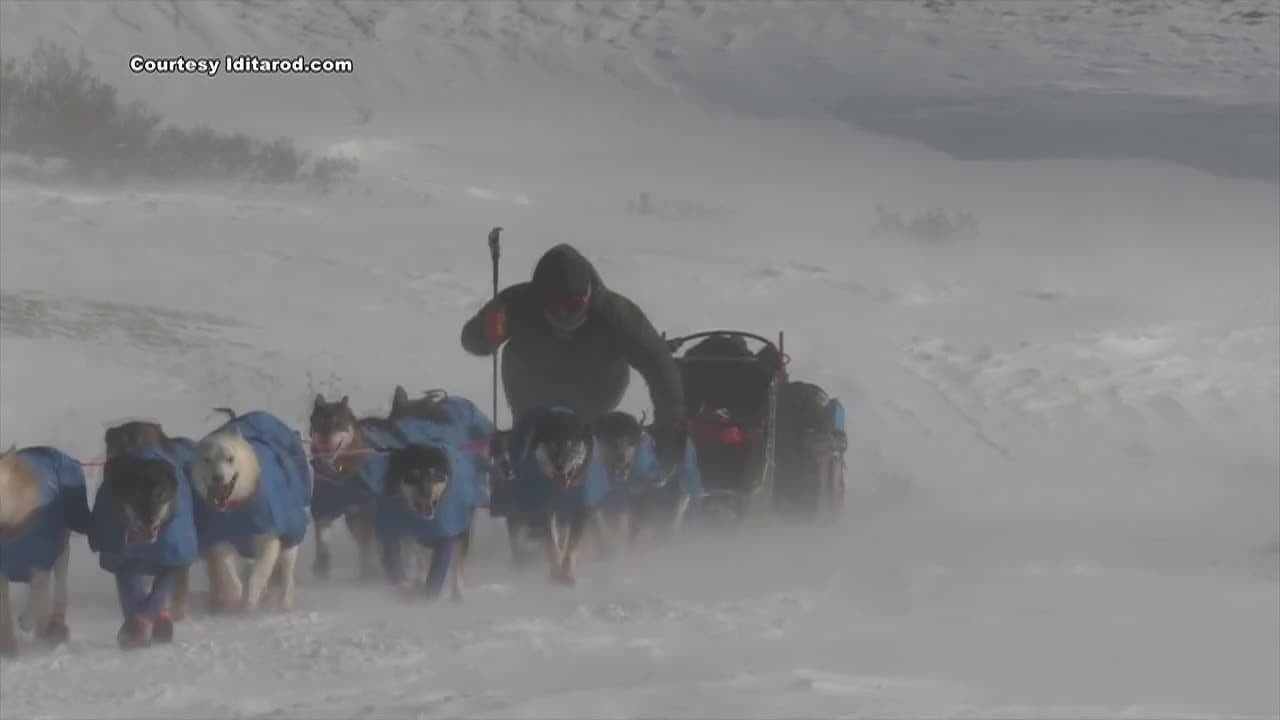
A Malamute and an Alaskan Husky fatigue differently, and they signal that fatigue differently. The Malamute in my team named Birch goes slightly wide at the shoulder before his pace degrades. He never stops moving willingly, which is why a handler without that specific knowledge would miss the signal entirely. By the time his pace drops visibly, the damage is already done.
Iditarod finishing times at the front of the field are compressed by margins that most people’s racing experience cannot calibrate. The difference between Holmes finishing first and the next competitive finisher is not equipment. It is decisions made about individual dogs over years, and the consistency of care that kept each dog available for that specific run.
I had a handler here two winters ago who had watched competitive mushing coverage extensively before he arrived. He understood pacing theory, he understood nutrition timing, and he arrived with a harness fitted to a dog he no longer owned. The harness was close enough in size that he had not questioned it. It was wrong enough in the shoulder channel that the dog he was using would have developed a chronic injury inside a season.
The gear industry produces content about equipment and marginal performance gains because that content is sellable. What it cannot sell is the three years of deliberate team building that actually determines outcomes. Holmes’ back-to-back wins happened because his dogs were prepared for a thousand miles, not merely equipped for it.
There is a version of the Iditarod story that mainstream coverage produces, and it involves an extraordinary individual doing extraordinary things. That version is not false. But it systematically obscures what produced the result, which is years of attentive, unglamorous, daily work on dogs that most audiences will never meet.
Championship mushing coverage builds the musher into the story. The dogs are the story, and the daily practice of knowing them individually is how any serious team is built. Holmes’ nine days in Alaska were the result of thousands of prior decisions about individual animals. None of those decisions made good television, and almost all of them made the difference.

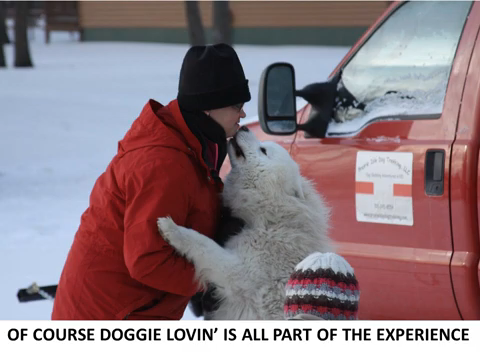
Helen L. Corlew runs a team of Samoyeds, Alaskan malamutes and Alaskan huskies. I am a Tellington TTouch practitioner and use this mode of work with training and living with my dogs.
Helen Corlew founded Prairie Isle Dog Trekking in Petersburg, North Dakota in 2010, and has spent the fifteen years since doing something most people only read about: teaching real dog sledding on real prairie terrain, at the edge of a landscape that doesn’t apologize for being difficult.
She is not a weekend enthusiast. She harnesses working dogs in January cold, trains handlers who have never touched a sled, and has built one of the only hands-on mushing education programs on the Northern Great Plains — from a single address on Highway 2, with no marketing budget and no shortcuts.
Her writing on Prairie Isle Dog Trekking reflects the same philosophy. Whether she is covering trail safety across the Rockies, breed behavior in extreme conditions, or what it actually takes to trek with a dog in the Alps, Helen writes from the position of someone who has done the work before writing the sentence.
She lives and runs dogs in Nelson County, North Dakota.
Kindly follow me on Social Media!


