
Five Hundred Miles
Ozark went lame on a Tuesday in March, third week of a training stretch, and I almost missed it because he hid it well and I was moving fast and the cold that morning was the kind that sits specifically inside your nose, sharper than minus five, the kind that makes your eyes water before you’ve registered that you’re cold, and by the time I caught the hitch in his gait we’d gone a quarter mile past where it started. I pulled the team. I went back to him. Left front, the pad, a small split that had been building for days while I wasn’t looking carefully enough.
I’ve thought about that Tuesday a lot since reading about the Colorado Trail.
Five hundred miles. The articles call it America’s most dog-friendly long-distance trek, and they list the things that make it so: no leash requirements in wilderness areas, water sources, shade in the tree sections, a culture among thru-hikers of welcoming dogs. Those things are real. I’m not disputing the water sources.
What the articles don’t say is what five hundred miles costs a dog’s body.
Pad damage is the first thing. It happens gradually and then suddenly, and dogs don’t tell you it’s happening, they just keep moving because moving is what they do when they’re with you and you’re moving. Muscle fatigue accumulates differently in dogs than in humans, stores differently, surfaces differently, and a dog that is exhausted will not sit down and say so. It will keep pace and eat less and sleep harder and you will miss it if you are not looking for it specifically. Joint load on varied terrain, on rock especially, on sustained descent, is a different load than flat miles, and most dogs that end up on a trail like the Colorado Trail were not conditioned for that specific ask.
I run working dogs on flat country. Flat country is its own punishment, its own particular demand, and my dogs are conditioned for it the way an athlete is conditioned for a specific event. You don’t take a distance runner and put them in a sprint final without expecting something to give. The terrain mismatch is real and it matters.
Three years ago a couple came through Petersburg in October, just finished a long trail out west with their two dogs, shepherd mixes, both young, and they were proud and the dogs looked okay on the surface, but the female was moving stiff in her right rear and had been for two weeks, they said, and they’d been monitoring it. Monitoring it. She was four years old and moving like something older. I didn’t say much. They hadn’t asked. But I thought about those dogs for a long time afterward, about what monitoring means when you can’t ask the animal how it feels and the animal is not built to stop.

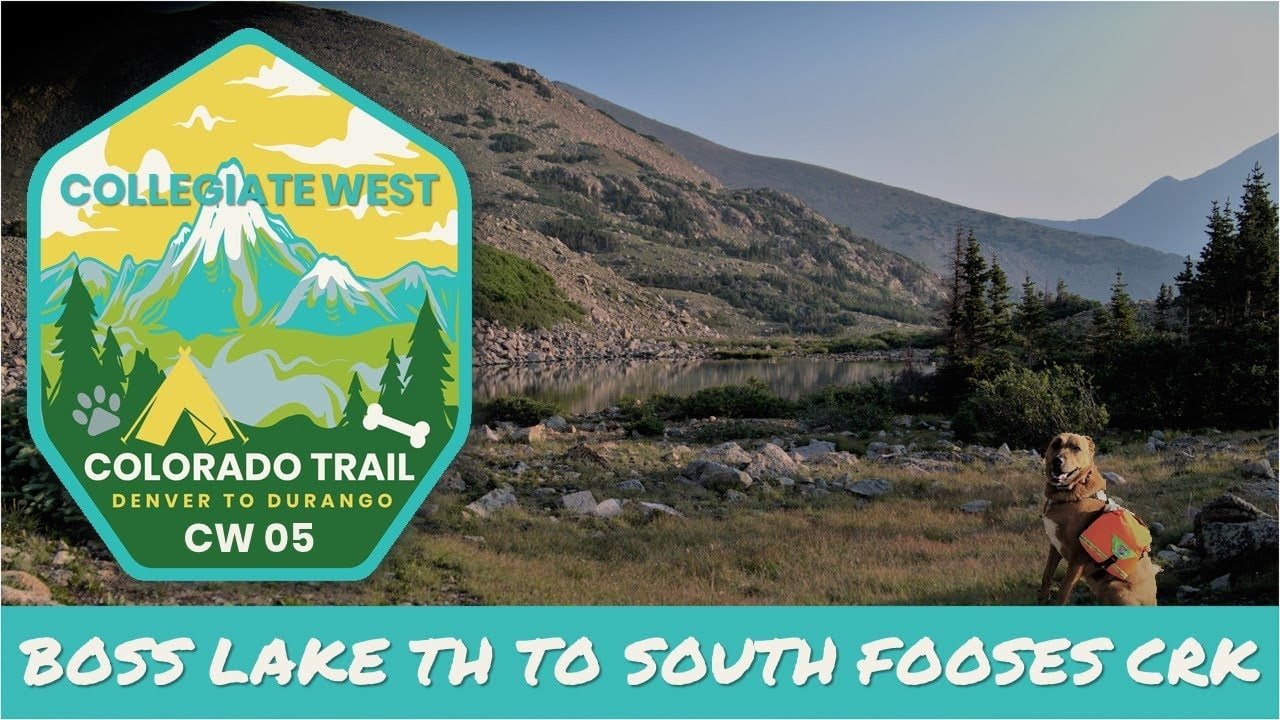
The Colorado Trail community has good intentions. The thru-hiking world has gotten more serious about dog welfare over the last decade, more honest about the planning it takes, the vet checks, the paw care, the bailout points. That’s real progress and I don’t dismiss it.
What I know from standing behind a dog team for fifteen years is that good intentions don’t tell you when a dog is past its limit. Only watching tells you that. Watching specifically, watching without the story you want to be true running alongside what you’re actually seeing. The story most people carry onto a long trail with their dog is a good story. A story about capability and companionship and shared miles. It’s not a dishonest story. It just has a way of drowning out the information the dog is actually sending.
You get to a point, somewhere around mile eight of a hard run, where your hands have stopped working and you don’t know it yet because they still feel like they’re there, still feel like they’re doing the things hands do, and by the time you understand what’s happened you’re already further along than you should be. Dogs do a version of this too. They go past the point of telling you and into the point of just continuing, and continuing looks a lot like fine if you need it to look like fine.
Ozark healed. Two weeks off, consistent paw care, back in the traces without apparent memory of the incident. Dogs recover. That’s part of what makes them dangerous to take too far, because they recover and they go again and they don’t file the damage away the way we do.
Five hundred miles is a long way to not be watching closely enough.
That’s the thing nobody puts in the headline.

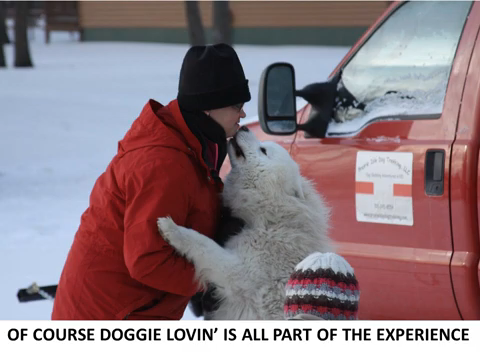
Helen L. Corlew runs a team of Samoyeds, Alaskan malamutes and Alaskan huskies. I am a Tellington TTouch practitioner and use this mode of work with training and living with my dogs.
Helen Corlew founded Prairie Isle Dog Trekking in Petersburg, North Dakota in 2010, and has spent the fifteen years since doing something most people only read about: teaching real dog sledding on real prairie terrain, at the edge of a landscape that doesn’t apologize for being difficult.
She is not a weekend enthusiast. She harnesses working dogs in January cold, trains handlers who have never touched a sled, and has built one of the only hands-on mushing education programs on the Northern Great Plains — from a single address on Highway 2, with no marketing budget and no shortcuts.
Her writing on Prairie Isle Dog Trekking reflects the same philosophy. Whether she is covering trail safety across the Rockies, breed behavior in extreme conditions, or what it actually takes to trek with a dog in the Alps, Helen writes from the position of someone who has done the work before writing the sentence.
She lives and runs dogs in Nelson County, North Dakota.
Kindly follow me on Social Media!