
Gus blew past a family’s terrier mix last February and I nearly lost the whole team.
Not Gus’s fault. The terrier came off the trail bank fast, off-leash, no warning, and it hit the gangline like a thrown rock, and for about four seconds everything was noise and tangle and my hands were on the brake before I’d finished deciding to move them. Nobody got hurt. The terrier’s owner was apologetic in the way people are when they know they’re wrong but haven’t decided to change anything about it. Gus shook himself off and went back to watching the horizon for something worth chasing.
That moment came back when I read about the man in Oregon.
He had a title before. Some kind of tech leadership role, four hundred thousand dollars a year, the kind of number that buys a lot of silence about what you actually do all day. He walked away from it to build a trail system for dogs. Not dogs and their owners on a posted-leash trail nobody follows. A system built specifically for dogs, designed around what dogs need spatially and sensorially, with infrastructure that assumes the dog is the point and not a variable to be accommodated.
The first thing I did was wait to feel contemptuous. That’s the honest account of it.
The contempt didn’t fully arrive. What arrived instead was something quieter and more inconvenient: the recognition that the problem he’d identified was real.
Shared trails are hard on dogs. Not only because dogs can’t always handle other dogs, though that’s sometimes true too, but because shared trails are managed for human comfort and dogs are an afterthought. The leash rules are suggestions. The spacing between parties is whatever the slowest hiker in front of you decides. A dog being asked to stay calm and focused while another dog charges up barking and loose is being asked to do something extremely difficult in conditions that were never designed to make it possible.
I know this because I’ve spent fifteen years managing those conditions on flat exposed ground where there’s nowhere to go when something goes wrong. You learn to read what’s coming. You build a buffer before the problem arrives. But you’re always compensating. Always working around a situation that shouldn’t require it.

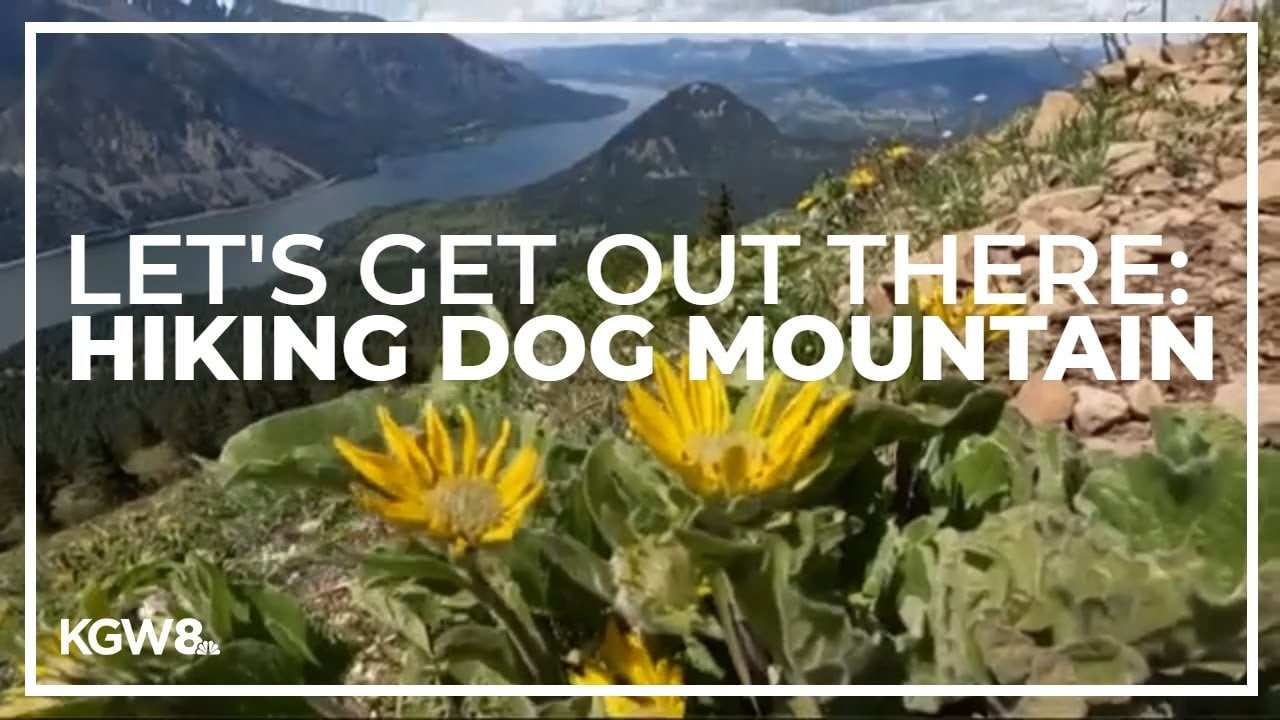
The Oregon man looked at all of that and decided the solution was a dedicated space. His own money, his own land, his own vision of what a trail built for dogs from the ground up might look like: wider spacing between entry points, terrain chosen for nose work and varied footing, no cyclists, no joggers with earbuds in, no off-leash surprises coming around a blind corner at speed.
That’s not a vanity project. That’s a person who watched something not work for long enough and decided to try the other thing.
Where I part ways with him is smaller than I expected. It’s this: a trail doesn’t fix the owner. The same person who lets their dog charge a gangline will let their dog charge this new trail’s carefully designed entry corridor. The built environment only does so much. At some point you’re still waiting on the human to read the situation, and the human, reliably, is the last one to see it coming.
The silence on the prairie before a team starts is a specific thing. Total. The kind of quiet that makes you aware of every sound inside it: a dog’s foot shifting in the snow, your own breath, the faint creak of the gangline taking tension. Then everything goes and the quiet is gone and you’re moving. That transition from still to running requires every part of the system to be paying attention at the same moment. The dogs are always ready. The sled is ready. I have to be ready.
That’s the part you can’t trail-design your way into. That’s the part that requires the human to actually show up.
The trail the Oregon man is building can’t guarantee that. Nothing can. But he’s not wrong that the current system wasn’t built with the dog in mind.
Most things aren’t.

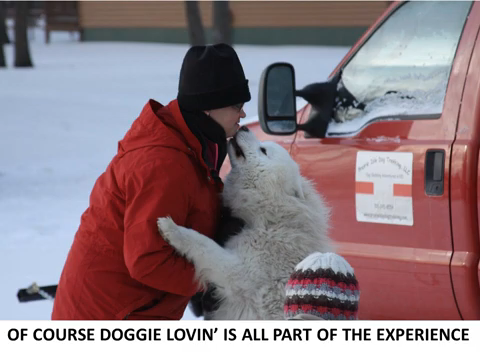
Helen L. Corlew runs a team of Samoyeds, Alaskan malamutes and Alaskan huskies. I am a Tellington TTouch practitioner and use this mode of work with training and living with my dogs.
Helen Corlew founded Prairie Isle Dog Trekking in Petersburg, North Dakota in 2010, and has spent the fifteen years since doing something most people only read about: teaching real dog sledding on real prairie terrain, at the edge of a landscape that doesn’t apologize for being difficult.
She is not a weekend enthusiast. She harnesses working dogs in January cold, trains handlers who have never touched a sled, and has built one of the only hands-on mushing education programs on the Northern Great Plains — from a single address on Highway 2, with no marketing budget and no shortcuts.
Her writing on Prairie Isle Dog Trekking reflects the same philosophy. Whether she is covering trail safety across the Rockies, breed behavior in extreme conditions, or what it actually takes to trek with a dog in the Alps, Helen writes from the position of someone who has done the work before writing the sentence.
She lives and runs dogs in Nelson County, North Dakota.
Kindly follow me on Social Media!