

The call came through on a Wednesday, second week of February, and the temperature out here had been sitting at minus eighteen for three days straight. I was in the middle of restitching a harness, the kind of work you do by feel when your hands are stiff, and I listened to the whole voicemail twice before I understood what the man was asking. He ran a rescue operation out of western Wyoming. Avalanche country. He’d heard about Prairie Isle somehow, the way people hear about things out here, word moving slow across flat distances, and he wanted to talk about dogs. Specifically about what makes a dog decide to keep working when the work stops making any kind of human sense.
I called him back. We talked for an hour.
He told me about the three recoveries from last winter. Two skiers and a snowshoer, buried at different depths, different slide paths, different days. All three found by dogs. All three alive when they came out of the snow. He wasn’t calling to brag about the outcomes. He was calling because one of his dogs, a seven-year-old Belgian Malinois named Corder, had started showing something at the end of last season that he didn’t have language for. Not hesitation exactly. Not reluctance. Something quieter than that. Like the dog was carrying the seasons in his body and the weight had started to show.
I knew what he was describing. I’ve seen it.
Petra ran lead for six seasons and in her seventh year she developed a quality I can only call gravity. She was still fast, still accurate, still the first one into the harness when I opened the yard gate. But something in her had grown serious in a way it hadn’t been before, and I’d watch her sometimes between runs just standing at the edge of the field, looking north into the flat white nothing, and I never once thought she was done. I thought she was full. The difference matters.
What those Wyoming dogs do is not what my dogs do. The surfaces are different, the stakes are different, the specific horror of the work is different. But the mechanism is the same. You take an animal with an extraordinary nose and an extraordinary willingness and you ask it to go toward something its whole nervous system is wired to treat carefully, again and again and again, and the animal goes because the animal has been built into a partnership where going is the entire language they share. The reward at the end of a find is not the toy or the praise, not really. It’s the confirmation that the going mattered. That the nose was right. That the world underground resolved into a person and the person is now above the snow, which is the only ending the dog knows how to work toward.
The three people who came out of the Wyoming snow last winter don’t know the names of the dogs that found them. They probably know the breed, maybe the handler’s name. The story got coverage, the kind of coverage these stories always get, warm and brief and focused on the miracle of survival rather than on the seven or eight or nine years of work that made the miracle structurally possible.

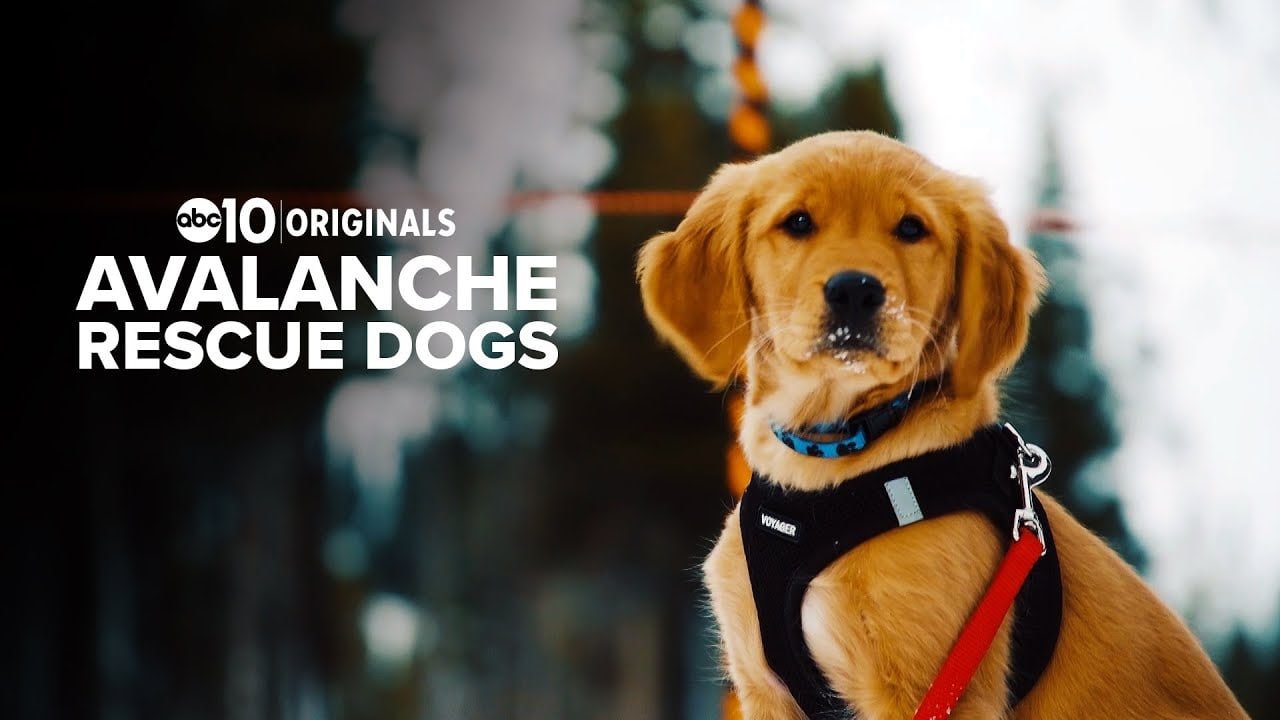
Corder had been doing this since he was twenty-two months old. The man told me that. Five full seasons of avalanche work before last winter’s three finds. Nobody counted the times the dogs ran a debris field and found nothing, which is most of the times, which is the bulk of the work, cold and effortful and unrewarded and done anyway because the dog doesn’t get to know in advance whether this one will be different.
That’s the part I keep returning to. The not knowing. My dogs run a trail they’ve run before. They know the distances, the turns, the smell of the landmarks. Corder runs into the aftermath of a mountain coming apart and knows nothing except that somewhere underneath all that fractured white silence there may be a person, and the only instrument available is himself, and he’s going to use it until someone calls him off or the answer comes back up through the snow.
The man asked me what I do when a dog gets to that place Corder was in. Heavy with seasons. Serious in a new way.
I told him I give them more space and fewer miles and I make sure the work still ends well when they do it.
He was quiet for a moment. Then he said that’s what he’d already started doing.
The dogs usually know before we do. The best thing we can manage is to catch up in time to be useful.

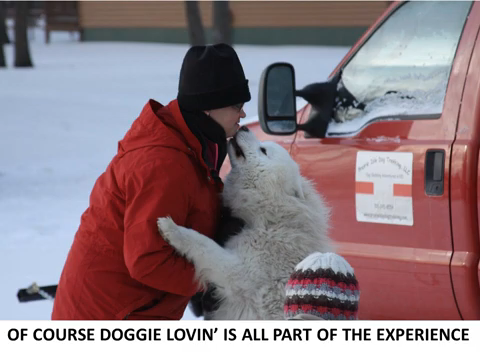
Helen L. Corlew runs a team of Samoyeds, Alaskan malamutes and Alaskan huskies. I am a Tellington TTouch practitioner and use this mode of work with training and living with my dogs.
Helen Corlew founded Prairie Isle Dog Trekking in Petersburg, North Dakota in 2010, and has spent the fifteen years since doing something most people only read about: teaching real dog sledding on real prairie terrain, at the edge of a landscape that doesn’t apologize for being difficult.
She is not a weekend enthusiast. She harnesses working dogs in January cold, trains handlers who have never touched a sled, and has built one of the only hands-on mushing education programs on the Northern Great Plains — from a single address on Highway 2, with no marketing budget and no shortcuts.
Her writing on Prairie Isle Dog Trekking reflects the same philosophy. Whether she is covering trail safety across the Rockies, breed behavior in extreme conditions, or what it actually takes to trek with a dog in the Alps, Helen writes from the position of someone who has done the work before writing the sentence.
She lives and runs dogs in Nelson County, North Dakota.
Kindly follow me on Social Media!


