


Excessive dog panting has 8 main causes: overheating, anxiety, pain, Cushing's disease, heart disease, respiratory conditions, medication side effects, and cognitive dysfunction. Panting is normal after exercise, in heat, or during excitement. Panting at rest, during sleep, or in a cool room without a clear trigger is abnormal and requires veterinary evaluation.
For related reading, see Working Dogs in 2026 – Why the Accountability Shift Is Long Overdue and Still Not Far Enough.
What Is Normal Dog Panting vs Abnormal Panting?
Normal dog panting occurs after exercise, in hot weather, or during excitement. Abnormal panting occurs at rest, during sleep, at night, or in a cool environment with no clear trigger.
Dogs do not sweat through their skin to regulate body temperature. Instead, they pant to evaporate moisture from their mouth and respiratory tract, which creates a cooling effect. This is the body's primary temperature regulation mechanism.
A healthy dog at rest breathes 12 to 24 times per minute. Panting that occurs when a dog is resting, sleeping, or in a cool room, or a resting breathing rate consistently above 30 breaths per minute, is abnormal and warrants investigation.
What Are the 8 Causes of Excessive Dog Panting?
The 8 main causes of excessive panting in dogs are overheating, anxiety, pain, Cushing's disease, heart disease, respiratory disease, medication side effects, and cognitive dysfunction.
| Cause | Most Common Context | Urgency |
|---|---|---|
| Overheating / heatstroke | Hot weather, parked cars, exercise | Emergency |
| Anxiety or stress | Night, storms, car rides, new environments | Schedule vet if persistent |
| Pain | Rest, night, post-activity | Schedule vet |
| Cushing's disease | At rest, night, middle-aged to senior dogs | Schedule vet |
| Heart disease | Rest, sleep, lying down | Schedule vet promptly |
| Respiratory conditions | Any time, worsened by exertion | Schedule vet promptly |
| Medication side effects | After starting new medication | Call vet |
| Cognitive dysfunction | Night, senior dogs | Schedule vet |
Why Is My Dog Panting from Heat or Heatstroke?
Heat-related panting is the most urgent cause. Dogs overheat quickly in parked cars, humid weather, or during exercise without adequate water and rest breaks.
Heatstroke occurs when a dog's body temperature rises to a dangerous level and the body cannot cool down through panting alone. Signs of heatstroke include heavy panting, drooling, bright red gums, lethargy, disorientation, vomiting, and collapse. Seek emergency veterinary care immediately if heatstroke is suspected.
Overweight dogs and flat-faced (brachycephalic) breeds, including Bulldogs, Pugs, and Boxers, are at higher risk of heat-related panting because they have to work harder to breathe and regulate temperature.
Why Is My Dog Panting from Anxiety or Stress?
Anxiety is one of the most common causes of panting in dogs, triggered by car rides, thunderstorms, fireworks, vet visits, separation, or changes in routine.
Panting is one of the first physical signs of stress in dogs. The autonomic nervous system response to stress, including elevated heart rate and faster breathing, produces panting even without physical exertion. Anxiety-related panting is usually temporary and resolves once the trigger is removed.
Persistent anxiety panting, particularly at night, benefits from a veterinary assessment. A vet may recommend behavioral modification, environmental changes such as white noise machines and calming routines, or veterinary-approved anxiety support.
Why Is My Dog Panting from Pain?
Pain is a common cause of panting, particularly during rest or at night. Dogs pant to manage stress related to discomfort. This is especially common in senior dogs, who may pant more at night when trying to get comfortable.
Conditions that cause pain-related panting include arthritis, back pain, abdominal pain, pancreatitis, and post-procedure discomfort. Pain-related panting is often accompanied by restlessness, whining, pacing, or reluctance to lie down in the usual position.
What Is Cushing's Disease and Why Does It Cause Dog Panting?
Cushing's disease (hyperadrenocorticism) is a hormonal condition caused by excess production of cortisol that commonly causes excessive panting, particularly in middle-aged to senior small-breed dogs.
According to Dr. Deb Zoran, a veterinarian at the Texas A&M College of Veterinary Medicine and Biomedical Sciences, Cushing's disease primarily occurs in small-breed dogs that are middle-aged and older. Excess cortisol disrupts the body's stress, metabolism, and inflammation regulation, producing persistent panting even in cool conditions.
Cushing's disease has 5 additional recognizable symptoms:

- Increased thirst and urination
- Increased appetite
- Pot-bellied appearance due to an enlarged liver
- Hair loss and skin thinning or pigmentation
- Muscle weakness
Cushing's disease is manageable with proper veterinary care and medication. Diagnosis typically involves blood and urine tests followed by confirmatory hormone testing.
Why Does Heart Disease Cause Dog Panting?
Congestive heart failure causes fluid to build up in the lungs, making it harder to breathe and triggering panting, particularly when lying down or sleeping.
Dogs with heart disease pant more frequently, even at rest. Additional signs include coughing, fatigue, and reduced exercise tolerance. Left-sided heart failure is the most common form that causes respiratory symptoms including panting and coughing.
Why Do Respiratory Conditions Cause Dog Panting?
Respiratory conditions reduce a dog's ability to take in adequate oxygen, causing the body to breathe faster or more deeply to compensate.
Conditions that cause respiratory panting include bronchitis, pneumonia, laryngeal paralysis, airway collapse, and lung tumors. Laryngeal paralysis is particularly common in large older dogs and produces raspy or noisy breathing alongside panting. Respiratory conditions require a veterinary diagnosis and appropriate treatment.
Why Is My Dog Panting at Night While Resting?
The most common causes of nighttime panting in dogs are pain, anxiety, Cushing's disease, heart or respiratory disease, and cognitive dysfunction syndrome.
Nighttime panting is harder to assess because there is no obvious trigger. The house is quieter, visual cues disappear in the dark, and the absence of daytime activity removes structure that many dogs rely on for calm. Soft panting during REM sleep (dreaming), accompanied by twitching or small movements, is normal and not a cause for concern. Heavy, continuous, or labored panting that prevents a dog from settling is abnormal.
Why Is My Senior Dog Panting at Night?
Nighttime panting in senior dogs most commonly indicates pain from arthritis, cognitive dysfunction syndrome, Cushing's disease, or heart and respiratory disease.
Cognitive dysfunction syndrome (CDS) is the canine equivalent of dementia. Senior dogs with CDS experience nighttime confusion, disorientation, and restlessness, producing panting that has no clear physical trigger. Sensory decline and reduced ability to process uncertainty also increases anxiety in older dogs as they age, contributing further to nighttime panting.
Why Is My Female Dog Panting for No Reason?
A female dog panting for no apparent reason may be experiencing a heat cycle, false pregnancy, or, if recently whelped, eclampsia.
False pregnancy (pseudopregnancy) causes panting, nesting behavior, restlessness, and mammary gland enlargement in intact female dogs. It resolves without treatment in most cases but benefits from veterinary confirmation.
Eclampsia, a life-threatening drop in blood calcium occurring in nursing dogs, causes panting, trembling, stiffness, and seizures. Eclampsia requires immediate emergency veterinary care.
Can Medications Cause Dog Panting?
Prednisone and other corticosteroids are the most common medications that cause panting as a side effect in dogs.
Steroids mimic cortisol, producing increased panting, thirst, and urination similar to the pattern seen in Cushing's disease. Sedatives can also cause respiratory changes that resemble panting. If panting began shortly after a new medication was started, call the prescribing vet to discuss whether a dose adjustment or alternative is appropriate.
When Should I Take My Dog to the Vet for Panting?
Take your dog to an emergency vet immediately if panting is accompanied by bright red or pale blue gums, collapse, vomiting, or known heat exposure. Schedule a standard vet appointment within 24 to 48 hours if panting occurs repeatedly at rest, at night, or without a clear trigger.
What Are the Emergency Warning Signs of Dog Panting?
7 panting-related symptoms require emergency veterinary care.
These are:
- Bright red gums or tongue (heatstroke)
- Pale, white, or blue gums (heart failure, shock, or anemia)
- Drooling, weakness, or collapse alongside panting
- Panting with vomiting and disorientation after heat exposure
- Panting with labored or abnormally loud breathing
- Sudden intense panting with no trigger in a dog that was previously calm
- Lips or tongue turning blue during panting (oxygen deficiency)
A basic veterinary workup for unexplained panting starts at approximately $150 to $400. More complete diagnostic testing, including bloodwork, urinalysis, chest X-rays, or hormone panels, ranges from $400 to $1,200 depending on the suspected cause. Tracking when panting occurs, how long it lasts, and what else is happening at the time gives your vet the most useful diagnostic information.

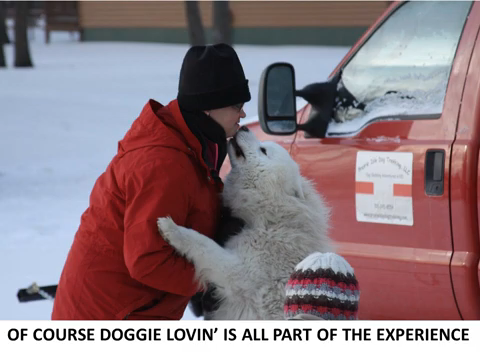
Helen L. Corlew runs a team of Samoyeds, Alaskan malamutes and Alaskan huskies. I am a Tellington TTouch practitioner and use this mode of work with training and living with my dogs.
Helen Corlew founded Prairie Isle Dog Trekking in Petersburg, North Dakota in 2010, and has spent the fifteen years since doing something most people only read about: teaching real dog sledding on real prairie terrain, at the edge of a landscape that doesn’t apologize for being difficult.
She is not a weekend enthusiast. She harnesses working dogs in January cold, trains handlers who have never touched a sled, and has built one of the only hands-on mushing education programs on the Northern Great Plains — from a single address on Highway 2, with no marketing budget and no shortcuts.
Her writing on Prairie Isle Dog Trekking reflects the same philosophy. Whether she is covering trail safety across the Rockies, breed behavior in extreme conditions, or what it actually takes to trek with a dog in the Alps, Helen writes from the position of someone who has done the work before writing the sentence.
She lives and runs dogs in Nelson County, North Dakota.
Kindly follow me on Social Media!


