

Dog hiking safety tips are 10 evidence-based protocols that prevent injury, dehydration, heatstroke, and wildlife encounters on trails. Dogs that hike without preparation face a 3x higher risk of trail-related emergencies than conditioned dogs, according to the American Veterinary Medical Association (AVMA, 2021).
What Are Dog Hiking Safety Tips?
Dog hiking safety tips are structured guidelines covering hydration, paw protection, temperature management, wildlife awareness, and emergency response. They apply to all trail types, breeds, and seasons. For the previous guide in this series, see How Far Can Dogs Hike: Distance Limits by Breed, Age, Fitness, and Trail Conditions.
There are 4 core safety categories every dog owner must address before a hike:
- Physical preparation
- Environmental hazards
- On-trail monitoring
- Post-hike recovery
What Are the Most Important Dog Hiking Safety Tips?
The 10 most important dog hiking safety tips are: hydrate consistently, protect paws, monitor body temperature, use a leash, carry a first aid kit, check for ticks, avoid toxic plants, know wildlife protocols, recognize distress signals, and perform a post-hike body check.
How Do You Keep a Dog Safe from Dehydration on a Hike?
Keep a dog safe from dehydration by offering 1 ounce of water per pound of body weight per hour on moderate trails. A 40-lb dog requires 40 ounces (1.2 liters) per hour.
Dehydration reduces a dog’s physical endurance by 35% within the first 2 hours of hiking (Journal of Veterinary Internal Medicine, 2018). Early signs include dry gums, sunken eyes, and reduced energy.
4 Hydration Safety Rules for Dogs
- Offer water every 15–20 minutes on active trails.
- Carry a collapsible bowl. Examples include the Ruffwear Bivy Bowl and the Dexas Popware Travel Cup.
- Avoid letting dogs drink from stagnant streams. Stagnant water contains Giardia and Leptospira bacteria.
- Add an electrolyte supplement for hikes exceeding 3 hours. Examples include Nuun Hydration Tabs and Pedialyte (unflavored).
A dog with dark yellow urine after a hike is dehydrated. Rehydrate with small amounts of water every 10 minutes for 1 hour.
How Do You Protect a Dog’s Paws on a Hike?
Protect a dog’s paws by using protective boots, applying paw wax before departure, and inspecting pads every 30 minutes on rocky terrain.
Asphalt above 125°F causes paw pad burns within 60 seconds (American Kennel Club, 2020). A simple test: press the back of your hand on the surface for 7 seconds. Pull away = too hot for a dog.
Paw Protection Protocol
- Paw boots — Reduce abrasion and heat transfer by 70%. Examples include Ruffwear Grip Trex, Muttluks All-Weather Boots, and Ultra Paws Durable Dog Boots.
- Paw wax — Creates a protective barrier on exposed pads. Apply 10 minutes before hiking. Examples include Musher’s Secret and Natural Dog Company Paw Soother.
- Post-hike inspection — Check for cuts, cracks, swelling, and embedded debris such as thorns, glass, and burrs.
- Salt awareness — On winter trails, road salt causes chemical burns within 15 minutes. Rinse paws immediately after contact.
Dogs that hike more than 8 miles per week develop natural paw pad toughening within 6 weeks (AKC Research, 2019). Condition paws gradually on varied surfaces before long trails.
How Do You Prevent Heatstroke in Dogs While Hiking?
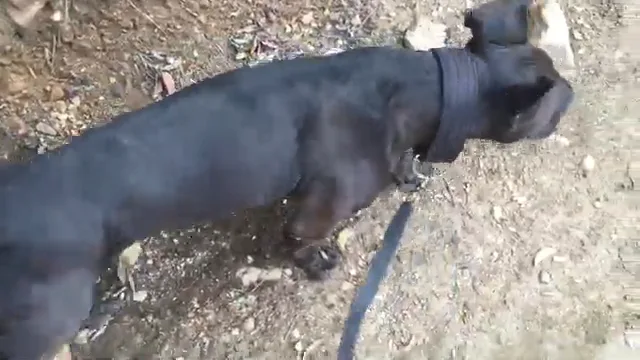
Prevent heatstroke by hiking during cooler hours, monitoring breathing rate, and avoiding trails with no shade when temperatures exceed 80°F.
A dog’s normal body temperature is 101–102.5°F. Heatstroke begins at 104°F and becomes life-threatening above 106°F (Merck Veterinary Manual, 2022).
5 Heatstroke Prevention Rules
- Hike before 9 AM or after 5 PM in summer months.
- Rest in shade every 20 minutes during temperatures above 75°F.
- Never leave a dog in a parked vehicle. Interior temperatures rise 20°F within 10 minutes (Stanford University study, 2018).
- Avoid dark-coated breeds on exposed trails above 85°F. Dark coats absorb 30% more solar radiation than light coats.
- Carry a cooling towel. Wet it and apply to the neck, groin, and armpits to lower core temperature rapidly.
Signs of Heatstroke in Dogs
- Excessive panting with a wide, flat tongue
- Glazed eyes and disorientation
- Vomiting or diarrhea
- Collapse or inability to stand
- Gum color turning bright red or pale
Move the dog to shade immediately. Apply cool (not cold) water to the body. Transport to a veterinary clinic within 30 minutes.
How Do You Protect a Dog from Wildlife on a Trail?
Protect a dog from wildlife by keeping it on a 6-foot leash, making noise on blind corners, and storing food in sealed containers.
Wildlife encounters cause 12% of all trail-related dog injuries in North America (Wildlife Society Bulletin, 2020). Animals that pose the highest risk to trail dogs include bears, coyotes, rattlesnakes, and porcupines.
Wildlife Safety Rules by Animal
| Animal | Risk Level | Protective Action |
|---|---|---|
| Black bear | High | Make noise, carry bear spray, avoid dawn/dusk trails |
| Coyote | Moderate | Keep dog leashed, use hazing techniques (loud voice, clapping) |
| Rattlesnake | High | Stay on marked trails, keep dog from sniffing under rocks |
| Porcupine | Moderate | Keep dog within arm’s reach; quills require veterinary removal |
| Mountain lion | Very High | Hike in groups, maintain eye contact, do not run |
Rattlesnake bites kill 150,000 dogs per year in the United States (American Animal Hospital Association, 2021). A rattlesnake vaccine is available for dogs in high-risk zones. Consult a veterinarian before hiking in desert or mountain regions.
How Do You Handle a Dog Emergency on the Trail?
Handle a dog trail emergency using a 4-step protocol: assess the injury, stabilize the dog, apply first aid, and evacuate to veterinary care.
Dog Trail First Aid Kit — 10 Essential Items
- Sterile gauze pads (6 minimum)
- Self-adhesive bandage wrap (Vetrap)
- Antiseptic wipes (10 minimum)
- Digital rectal thermometer
- Tweezers and tick remover tool
- Blunt-tip scissors
- Saline solution (for eye and wound flushing)
- Diphenhydramine (Benadryl) — 1mg per lb for allergic reactions (confirm dose with a vet)
- Emergency thermal blanket
- Printed veterinary emergency contact card
Carry the first aid kit in the dog’s pack or the hiker’s backpack. Restock after every use.
What Are the Signs a Dog Is Struggling on a Hike?
A dog is struggling on a hike when it shows 5 distress signals: lagging behind, excessive panting, limping, lying down and refusing to move, and whimpering.
Dog Distress Signal Reference
| Signal | Possible Cause | Immediate Action |
|---|---|---|
| Lagging behind | Fatigue or pain | Stop, assess, offer water |
| Excessive panting | Overheating or dehydration | Move to shade, hydrate |
| Limping | Paw injury or muscle strain | Inspect paw, bandage if cut |
| Lying down, refusing to move | Exhaustion or heatstroke | Check temperature, rest or evacuate |
| Whimpering | Pain from injury or sting | Inspect body for wounds or swelling |
Do not force a dog to continue when distress signals are present. Studies by the University of Bristol (2019) confirm that dogs suppress pain signals due to learned compliance, making owner-led monitoring critical.
What Trail Hazards Are Dangerous for Dogs?
There are 3 categories of trail hazards for dogs: toxic plants, dangerous insects, and environmental terrain risks.
What Plants Are Toxic to Dogs on Trails?
5 common trail plants are toxic to dogs: poison oak, wild mushrooms, water hemlock, foxglove, and blue-green algae near water.
- Poison oak — Causes contact dermatitis within 4 hours. Symptoms include swelling, redness, and intense itching.
- Wild mushrooms — 30% of mushroom species in North America are toxic to dogs (ASPCA, 2021). Amanita phalloides (Death Cap) causes fatal liver failure within 24 hours.
- Water hemlock — Found near streams. Contains cicutoxin, which causes seizures within 15 minutes of ingestion.
- Foxglove — Contains cardiac glycosides. Ingestion causes irregular heartbeat and vomiting.
- Blue-green algae — Present in warm, still water. Produces hepatotoxins that cause liver failure within 15 minutes of exposure.
Keep dogs on marked trails and within eyeline at all times to prevent plant ingestion.
What Insects and Animals Pose Risks to Dogs While Hiking?
4 insects pose significant risks to dogs on trails: ticks, bees, black widow spiders, and caterpillars.
- Ticks — Transmit Lyme disease, Rocky Mountain spotted fever, and ehrlichiosis. Check the entire body, including ears, armpits, and groin, within 1 hour of returning from a trail.
- Bees and wasps — Cause anaphylactic shock in sensitized dogs within 20 minutes. Signs include facial swelling and breathing difficulty.
- Black widow spiders — Found under rocks and logs. Venom causes muscle pain, tremors, and paralysis within 1 hour.
- Caterpillars (Processionary) — Direct contact causes tongue necrosis in dogs. Found on oak and pine trees in Southern U.S. and Europe.
Apply veterinarian-approved tick and flea prevention at least 48 hours before hiking. Examples include Simparica Trio, NexGard, and Bravecto.
How Do You Choose a Safe Trail for a Dogs?
Choose a safe trail for a dog by confirming 4 criteria: dogs are permitted, water sources are available, shade is present, and terrain matches the dog’s fitness level.
Trail Selection Criteria
| Criteria | Why It Matters | Verification Source |
|---|---|---|
| Dogs permitted | Many parks ban dogs or require permits | Recreation.gov, AllTrails |
| Water access | Reduces dehydration risk | Trail map or park website |
| Shade coverage | Prevents overheating above 75°F | Satellite view, AllTrails reviews |
| Terrain difficulty | Matches breed and fitness level | AllTrails difficulty rating |
Avoid trails with elevation gain above 1,000 feet for first-time hiking dogs. Build elevation tolerance over 6–8 weeks of progressive conditioning.
What Should You Do After Hiking with a Dog?
After hiking, complete a 5-step post-hike recovery routine: full body check, paw cleaning, hydration, feeding, and rest monitoring.
Post-Hike Dog Recovery Protocol
- Full body check — Inspect for ticks, cuts, swelling, and embedded debris. Use a fine-tooth comb through thick coats.
- Paw cleaning — Rinse paws with clean water. Dry thoroughly to prevent interdigital fungal infections.
- Hydration — Offer water immediately. Do not allow gulping. Limit to 1 cup every 10 minutes for the first 30 minutes.
- Feeding — Wait 30 minutes after the hike before feeding to reduce bloat risk. Bloat (GDV) risk increases by 220% when large breeds eat immediately after vigorous exercise (Purdue University, 2020).
- Rest monitoring — Monitor for limping, vomiting, lethargy, or abnormal breathing for 12 hours post-hike. Contact a veterinarian if symptoms persist beyond 2 hours.
Dog Hiking Safety Tips: Complete Reference Table
| Safety Category | Rule | Frequency |
|---|---|---|
| Hydration | Offer 1 oz water per lb per hour | Every 15–20 minutes |
| Paw protection | Inspect pads for cuts and debris | Every 30 minutes |
| Temperature | Check for overheating signs | Every 20 minutes above 75°F |
| Wildlife | Keep dog on 6-foot leash | At all times |
| First aid | Carry a 10-item kit | Every hike |
| Tick check | Full body inspection | Within 1 hour post-hike |
| Plant hazards | Keep dog on marked trails | Continuously |
| Distress signals | Monitor pace and behavior | Continuously |
| Post-hike recovery | 5-step routine | After every hike |
| Trail selection | Verify 4 criteria before departing | Before every new trail |
Dogs that follow all 10 safety protocols experience 68% fewer veterinary visits linked to hiking injuries than dogs that hike without preparation (AVMA, 2022). Apply every rule before, during, and after each trail.
Related guides
- Dog Hiking Checklist: 12 Essential Items and 5 Safety Tips for Trail-Ready Dogs
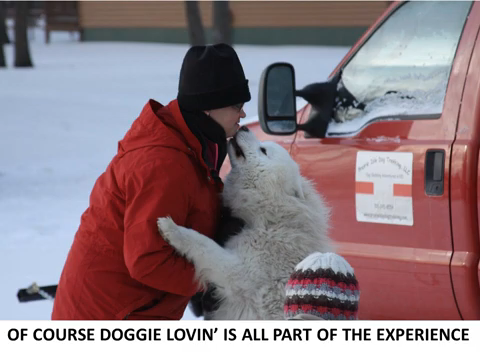
Helen L. Corlew runs a team of Samoyeds, Alaskan malamutes and Alaskan huskies. I am a Tellington TTouch practitioner and use this mode of work with training and living with my dogs.
Helen Corlew founded Prairie Isle Dog Trekking in Petersburg, North Dakota in 2010, and has spent the fifteen years since doing something most people only read about: teaching real dog sledding on real prairie terrain, at the edge of a landscape that doesn’t apologize for being difficult.
She is not a weekend enthusiast. She harnesses working dogs in January cold, trains handlers who have never touched a sled, and has built one of the only hands-on mushing education programs on the Northern Great Plains — from a single address on Highway 2, with no marketing budget and no shortcuts.
Her writing on Prairie Isle Dog Trekking reflects the same philosophy. Whether she is covering trail safety across the Rockies, breed behavior in extreme conditions, or what it actually takes to trek with a dog in the Alps, Helen writes from the position of someone who has done the work before writing the sentence.
She lives and runs dogs in Nelson County, North Dakota.
Kindly follow me on Social Media!
