

Hiking with a large dog combines high-output physical activity with breeds built for endurance, strength, and varied terrain. Large dogs exceed 55 pounds and include breeds such as German Shepherds, Bernese Mountain Dogs, Weimaraners, and Rhodesian Ridgebacks. A structured approach protects joint health, prevents overheating, and maximizes trail performance.
What Is Hiking with a Large Dog?
Hiking with a large dog is sustained outdoor trail activity performed with a dog weighing over 55 pounds. Large breeds are classified by the American Kennel Club (AKC) as working, sporting, or herding group dogs. They are physically suited for trails with elevation gain, long distances, and challenging terrain. Their size introduces specific risks including joint stress and overheating that smaller dogs do not face at the same severity. For the previous guide in this series, see Hiking With a Senior Dog: 8 Safety Tips, Health Checks, and Gear Essentials.
Large dogs commonly taken on trail hikes include German Shepherds, Bernese Mountain Dogs, Weimaraners, Rhodesian Ridgebacks, and Irish Setters.
How Far Can a Large Dog Hike?
A healthy adult large dog can hike 8 to 12 miles per day. Distance depends on 3 factors: breed fitness level, terrain difficulty, and ambient temperature. Working breeds such as German Shepherds sustain greater distances than giant breeds such as Great Danes, which are prone to joint fatigue on extended trails.
What Is the Recommended Hiking Distance for Large Dog Breeds?
| Breed Category | Daily Distance Range | Suitable Terrain |
|---|---|---|
| Working breeds (German Shepherd, Husky) | 8–12 miles | Moderate to challenging |
| Sporting breeds (Weimaraner, Vizsla) | 7–10 miles | Moderate to challenging |
| Mountain breeds (Bernese, Saint Bernard) | 4–7 miles | Flat to moderate |
| Giant breeds (Great Dane, Mastiff) | 2–5 miles | Flat, low-elevation |
What Are the 9 Essential Tips for Hiking with a Large Dog?

There are 9 essential tips for hiking safely with a large dog. These cover preparation, gear, trail management, and post-hike recovery.
1. Does Your Large Dog Have Veterinary Clearance for Trail Hiking?
A large dog needs veterinary clearance before any multi-mile trail hike. The vet assesses hip and elbow joint health, heart function, and body weight. The Orthopedic Foundation for Animals (OFA) reports that 20.5% of German Shepherds and 27.2% of Golden Retrievers are affected by hip dysplasia. Dogs with confirmed joint conditions require modified trail plans and veterinary-approved support before hiking.
2. What Training Does a Large Dog Need Before Hiking?
Large dogs need 4 core trail commands before hiking: heel, sit, stay, and come. A study in Applied Animal Behaviour Science confirms that trained dogs show lower cortisol levels in unfamiliar outdoor environments. Begin conditioning with 2 to 3 mile daily walks and increase by 1 mile per week over 4 weeks.
3. What Gear Does a Large Dog Need for Trail Hiking?
A large dog needs 7 essential gear items for trail hiking:
- No-pull chest harness — distributes force evenly and prevents tracheal strain
- Collapsible water bowl — allows hydration stops every 15 to 20 minutes
- Dog-specific first aid kit — includes wound wrap, antiseptic wipes, tweezers, and a rectal thermometer
- Dog pack — allows the dog to carry its own water and supplies (maximum 25% of body weight)
- Reflective leash — increases visibility during early morning or low-light hikes
- Paw protection wax or dog booties — prevents pad abrasion on rocky and abrasive surfaces
- Tick and flea repellent — EPA-approved, dog-safe formulas only
4. How Much Water Does a Large Dog Need During a Hike?
A large dog needs 1 ounce of water per pound of body weight per day. An 80-pound dog requires a minimum of 80 ounces on a full-day hike. Offer water every 15 minutes during active trail movement. Dehydration signs include dry gums, skin tenting, and sunken eyes.
5. What Should a Large Dog Eat Before and During a Trail Hike?
Feed a large dog a light meal 2 hours before the hike begins. Large breeds are susceptible to gastric dilatation-volvulus (GDV), also called bloat. The American College of Veterinary Surgeons (ACVS) identifies rapid feeding, high-fat meals, and immediate post-meal exercise as the 3 primary GDV risk factors. During the hike, carry high-protein trail snacks. Examples include freeze-dried meat treats, jerky strips, and large-breed training biscuits.
6. What Trail Features Are Best Suited for Large Dogs?
The best trails for large dogs have packed dirt surfaces, moderate elevation, and reliable water access. Suitable trail types include forest paths, mountain meadow routes, and riverside trails. Avoid exposed bedrock, steep loose scree, and narrow switchbacks where a large dog’s size creates fall risk for both dog and handler.
7. What Trail Hazards Are Most Dangerous for Large Dogs?
There are 5 trail hazards that pose elevated risk to large dogs specifically:
- Overheating: Large body mass retains heat faster than small dogs. Temperatures above 80°F (27°C) require shade and water breaks every 20 minutes.
- Joint overexertion: Downhill sections place 2 to 3 times normal load on hip and knee joints in large breeds.
- Wildlife confrontation: Large dogs are more likely to pursue wildlife such as deer, bears, and mountain lions, escalating encounters quickly.
- Water crossing injuries: Fast-moving water and slippery riverbeds cause falls and displacement in large dogs with low buoyancy.
- Toxic plants: Examples include wild hemlock, death camas, and water hemlock, which grow along common US hiking trails.
8. How Do You Identify Overheating in a Large Dog on a Trail?
Overheating in a large dog presents with 5 visible signs: heavy panting, excessive drooling, bright red gums, disorientation, and loss of coordination. The Veterinary Emergency Group identifies 104°F (40°C) as the threshold for heat stroke in dogs. Move the dog to shade immediately, apply cool water to the neck, armpits, and groin, and seek emergency veterinary care.
9. Should a Large Dog Be Leashed on All Hiking Trails?
A large dog must be leashed on any trail that legally requires it. The Leave No Trace Center for Outdoor Ethics states that leashed dogs protect trail ecosystems and prevent conflict with other hikers and wildlife. On off-leash trails, a large dog must demonstrate reliable recall first. Keep leash length at 6 feet maximum.
What Are the 4 Long-Term Health Benefits of Trail Hiking for Large Dogs?
Trail hiking provides 4 long-term health benefits for large dogs:
- Reduces obesity risk: Large breeds gain weight rapidly when under-exercised. Trail hiking burns 200 to 400 calories per hour depending on speed and elevation gain.
- Strengthens joint-supporting muscles: Trail movement builds the quadriceps, hamstrings, and gluteal muscles that stabilize hip and knee joints in large breeds.
- Improves cardiovascular health: Sustained aerobic trail activity strengthens heart muscle function and increases oxygen efficiency.
- Reduces anxiety and destructive behaviour: Research from the University of Bristol found that under-stimulated large dogs exhibit significantly higher rates of destructive behaviour. Regular hiking addresses both physical and mental stimulation deficits.
How Do You Build a Hiking Routine for a Large Dog?
A hiking routine for a large dog follows a 4-week progressive conditioning plan:
- Week 1: Walk 2 to 3 miles daily on flat terrain. Reinforce heel and recall commands.
- Week 2: Increase to 4 to 5 miles. Introduce gentle inclines and varied trail surfaces.
- Week 3: Complete a 5 to 7 mile moderate trail with 400 to 600 feet of elevation gain.
- Week 4: Attempt an 8 to 10 mile hike with a loaded dog pack at 10% of body weight.
What Are the Post-Hike Care Steps for a Large Dog?
Post-hike care for a large dog includes 5 steps:
- Inspect all 4 paws for lacerations, swelling, cracked pads, or embedded debris
- Check ears, groin, and armpit folds for attached ticks
- Rinse the full coat with clean water to remove trail allergens and pollen
- Offer fresh water and a protein-rich meal within 30 minutes of finishing the trail
- Allow 24 to 48 hours of rest before the next high-intensity trail session
Hiking with a Large Dog: Key Takeaways
Hiking with a large dog requires preparation across 4 areas: veterinary clearance, trail selection, proper gear, and post-hike recovery. Large breeds offer exceptional trail endurance when physically conditioned. The 9 essential tips in this guide reduce injury risk, manage overheating, and build a sustainable hiking routine that supports long-term large-breed health.
Related guides
- Best Dog Breeds for Hiking: 10 Top Breeds, Key Traits, and Trail Suitability Guide
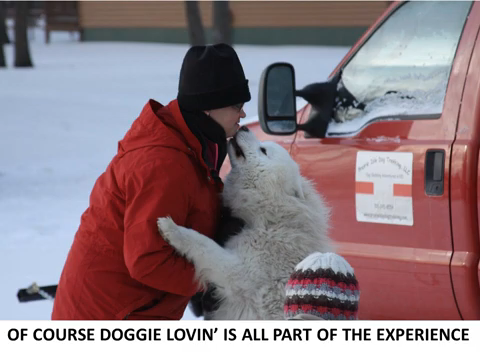
Helen L. Corlew runs a team of Samoyeds, Alaskan malamutes and Alaskan huskies. I am a Tellington TTouch practitioner and use this mode of work with training and living with my dogs.
Helen Corlew founded Prairie Isle Dog Trekking in Petersburg, North Dakota in 2010, and has spent the fifteen years since doing something most people only read about: teaching real dog sledding on real prairie terrain, at the edge of a landscape that doesn’t apologize for being difficult.
She is not a weekend enthusiast. She harnesses working dogs in January cold, trains handlers who have never touched a sled, and has built one of the only hands-on mushing education programs on the Northern Great Plains — from a single address on Highway 2, with no marketing budget and no shortcuts.
Her writing on Prairie Isle Dog Trekking reflects the same philosophy. Whether she is covering trail safety across the Rockies, breed behavior in extreme conditions, or what it actually takes to trek with a dog in the Alps, Helen writes from the position of someone who has done the work before writing the sentence.
She lives and runs dogs in Nelson County, North Dakota.
Kindly follow me on Social Media!
