

Hiking with a French Bulldog is outdoor trail walking limited to 1 to 3 miles due to the breed‘s brachycephalic anatomy. French Bulldogs are flat-faced, compact dogs weighing 20 to 28 lbs. Their shortened airways restrict airflow, making heat, humidity, and strenuous elevation dangerous without proper precautions.
What Is a French Bulldog’s Hiking Capacity?
A healthy adult French Bulldog hikes 1 to 3 miles per outing on flat to mildly inclined terrain. The American Kennel Club (AKC) classifies French Bulldogs as a low-to-moderate activity breed. Hikes exceeding 3 miles or trails with steep elevation gains carry a high risk of respiratory distress. For the previous guide in this series, see Hiking With Small Dogs: 7 Safety Tips, Best Breeds, and Essential Gear Guide.
| Age Group | Recommended Distance |
|---|---|
| Puppy (under 12 months) | Up to 0.5 miles |
| Adult (1–7 years) | 1–3 miles |
| Senior (8+ years) | 0.5–1 mile |
Why Are French Bulldogs Challenging Hiking Dogs?
French Bulldogs are challenging hiking dogs because of their brachycephalic syndrome, short legs, and intolerance to heat. Research published in the journal Canine Genetics and Epidemiology confirms that brachycephalic breeds experience significantly reduced oxygen intake during physical exertion compared to non-brachycephalic breeds. 3 anatomical limitations affect their trail performance:
- Narrowed nostrils restrict airflow during sustained activity
- Elongated soft palate causes audible breathing under exertion
- Short legs reduce stride efficiency on uneven terrain
How Do You Prepare a French Bulldog for Hiking?
Prepare a French Bulldog for hiking by obtaining veterinary clearance, conditioning gradually, and selecting flat trails. Begin with 15-minute walks and increase duration by 5 minutes weekly. A vet must assess airway health before any trail activity exceeding 1 mile.
4 preparation steps include:
- Schedule a brachycephalic airway examination with a veterinarian
- Train commands: “stop,” “slow,” and “come”
- Acclimate paws to natural terrain, such as grass, gravel, and dirt paths
- Build stamina with progressive flat-surface walks over 4 to 6 weeks
Is a French Bulldog Puppy Ready for Hiking?
A French Bulldog puppy under 12 months is not ready for trail hiking. Their musculoskeletal system is underdeveloped, and brachycephalic symptoms are more pronounced in young dogs. Safe guidelines for puppy outings are:
- Age 3–6 months: 10-minute flat walks only
- Age 6–12 months: paved paths, under 0.5 miles
- Age 12+ months: gradual introduction to short, flat natural trails
What Gear Does a French Bulldog Need for Hiking?
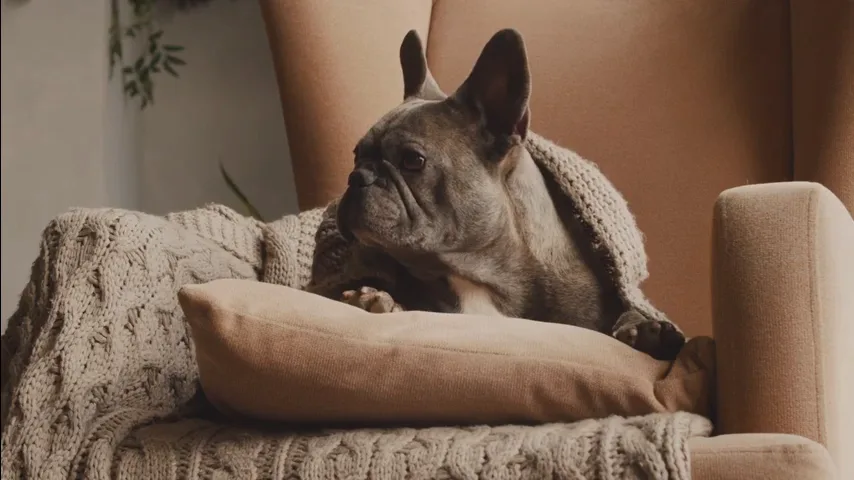
A French Bulldog needs 7 essential pieces of gear for hiking:
- Harness (not a collar) – Distributes pressure across the chest, preventing airway compression on the throat
- Cooling vest – Reduces core body temperature on trails above 70°F (21°C)
- Collapsible water bowl – Enables hydration breaks every 10 to 15 minutes
- Dog booties – Protect short legs and sensitive paws from hot ground, sharp rocks, and rough terrain
- Portable fan or misting bottle – Provides immediate cooling during rest stops
- Reflective leash – Increases visibility on shaded or low-light trail sections
- GPS ID tag – Enables recovery if the dog strays from the trail path
What Should You Pack for a French Bulldog on a Hike?
Pack water, cooling tools, a canine first aid kit, and high-value snacks for every French Bulldog hike. A 25-lb French Bulldog requires approximately 25 oz of water during a hiking day, based on the 1 oz per pound of body weight daily guideline. Increase this by 30% in temperatures above 75°F (24°C).
Packing checklist:
- 1 to 1.5 liters of fresh water per day
- Soft, digestible trail snacks — avoid large kibble mid-hike
- Canine first aid kit — includes bandages, antiseptic wipes, and a tick remover
- Collapsible bowl
- Cooling vest or damp towel for rest stops
- Biodegradable waste bags
What Are the Best Trail Types for Hiking with a French Bulldog?
The best trails for hiking with a French Bulldog are flat forest paths, paved nature walks, and shaded riverside routes. These terrain types minimize exertion, provide shade, and offer access to natural cooling. Avoid trails with elevation gains exceeding 100 feet, loose gravel slopes, or open sun exposure above 75°F (24°C).
3 recommended trail types include:
- Flat forest trails – Canopy shade reduces ambient temperature and UV exposure
- Paved nature paths – Smooth surface reduces paw strain and exertion effort
- Shaded riverside routes – Natural water access for cooling and mild, flat terrain
Note that French Bulldogs overheat rapidly on open, exposed trails. Morning hikes between 6 AM and 9 AM offer the safest temperature window.
How Do You Keep a French Bulldog Safe on a Trail?
Keep a French Bulldog safe on a trail by monitoring breathing sounds, offering water every 10 to 15 minutes, and stopping immediately at the first sign of distress. The normal resting respiratory rate for a French Bulldog is 15 to 30 breaths per minute. Rates exceeding 40 breaths per minute during rest indicate overexertion.
5 trail safety rules:
- Offer water and a 5-minute rest break every 15 minutes
- Monitor breathing continuously — noisy, labored breathing signals immediate rest
- Check paw pads for heat burns on asphalt or exposed rock surfaces
- Never hike in temperatures above 80°F (27°C) with a French Bulldog
- Keep the dog leashed at all times — French Bulldogs cannot outrun predators or hazards
How Do You Identify Breathing Distress in a French Bulldog?
Breathing distress in a French Bulldog presents as loud wheezing, blue-tinged gums, open-mouth breathing, and sudden stillness. Stop all movement immediately. Move the dog to shade and apply cool (not cold) water to the neck, paws, and groin. Contact a veterinarian within 20 minutes of symptom onset. Do not resume hiking that day.
What Are the 4 Most Common Risks of Hiking with a French Bulldog?
The 4 most common risks of hiking with a French Bulldog are heatstroke, respiratory distress, paw burns, and joint overextension. A 2018 study published in PLOS ONE found that French Bulldogs are among the top 3 brachycephalic breeds most frequently treated for heat-related illness during physical activity.
| Risk | Signs | Immediate Action |
|---|---|---|
| Heatstroke | Panting, red gums, collapse | Move to shade, apply cool water |
| Respiratory distress | Wheezing, blue gums, stillness | Stop hiking, cool the dog, call vet |
| Paw burns | Limping, licking paws | Move to grass, rinse with cool water |
| Joint overextension | Stiffness, reluctance to continue | Rest; consult vet if persistent |
How Do You Care for a French Bulldog After a Hike?
Care for a French Bulldog after a hike by cooling the dog down, cleaning paws, providing water, and enforcing rest for 12 to 24 hours. Post-hike body temperature should return to the normal range of 101°F to 102.5°F (38.3°C to 39.2°C) within 30 minutes of completing the trail.
6 post-hike care steps:
- Move the dog to a cool, ventilated indoor space immediately
- Offer fresh water in small amounts — avoid gulping in the first 10 minutes
- Rinse all 4 paws with clean, cool water
- Check between toes for ticks, thorns, and debris
- Apply veterinarian-approved paw balm to cracked or hot pads
- Monitor breathing rate for 1 hour post-hike; consult a vet if elevated breathing persists
How Often Should a French Bulldog Hike?
A healthy adult French Bulldog hikes 2 to 3 times per week at most. The AKC recommends 30 to 45 minutes of moderate exercise daily for French Bulldogs. Short hikes fulfill this requirement without stressing the respiratory system.
What Are the Rules for Hiking with a French Bulldog in National Parks?
National parks in the United States require all dogs, including French Bulldogs, to remain on a leash not exceeding 6 feet on designated trails. The National Park Service (NPS) limits dogs to paved roads, campgrounds, and specific pet-accessible sections. Backcountry trails and wildlife zones prohibit dogs entirely.
3 general NPS rules for dogs on trails:
- Leash length must not exceed 6 feet at all times
- Dogs are restricted from unpaved trails in most NPS-managed parks
- Owners must carry and dispose of all waste responsibly
Verify park-specific pet policies at nps.gov before planning a hike with a French Bulldog.
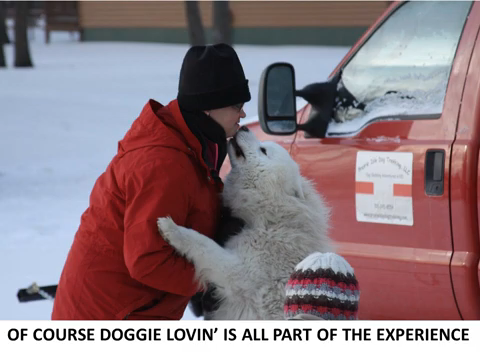
Helen L. Corlew runs a team of Samoyeds, Alaskan malamutes and Alaskan huskies. I am a Tellington TTouch practitioner and use this mode of work with training and living with my dogs.
Helen Corlew founded Prairie Isle Dog Trekking in Petersburg, North Dakota in 2010, and has spent the fifteen years since doing something most people only read about: teaching real dog sledding on real prairie terrain, at the edge of a landscape that doesn’t apologize for being difficult.
She is not a weekend enthusiast. She harnesses working dogs in January cold, trains handlers who have never touched a sled, and has built one of the only hands-on mushing education programs on the Northern Great Plains — from a single address on Highway 2, with no marketing budget and no shortcuts.
Her writing on Prairie Isle Dog Trekking reflects the same philosophy. Whether she is covering trail safety across the Rockies, breed behavior in extreme conditions, or what it actually takes to trek with a dog in the Alps, Helen writes from the position of someone who has done the work before writing the sentence.
She lives and runs dogs in Nelson County, North Dakota.
Kindly follow me on Social Media!
