

Dog-Friendly
A woman brought her goldendoodle out to the yard two summers ago, which isn’t unusual, people bring dogs all the time, but this one was wearing a bandana and had its own Instagram handle printed on a tag next to the rabies certificate and it walked into the yard like it expected to be photographed there, and what happened next was not dramatic, nobody got hurt, but Fenwick looked at that dog for about four seconds and then looked at me, and I understood exactly what he was communicating, which was: what is that, and why is it here, and what are we supposed to do with it.
I’ve been thinking about that goldendoodle since I read about the Utah town.
Dog-friendly patios. Dog-friendly hotels. Dog-friendly shuttle services with hooks in the vans for leashes. The local economy has restructured itself around the idea that people want to bring their dogs on vacation and will spend money to do it comfortably. That’s probably true. People do want that. The spending is probably real.
What I keep turning over is what the dogs want.
That’s not a sentimental question. It’s a practical one. A dog dragged through a tourist economy is a prop in someone else’s leisure, and most dogs are agreeable enough to tolerate it, which gets mistaken for enthusiasm. Dogs are good at tolerating. They are exceptionally good at appearing fine. I have watched dogs appear fine until they weren’t, and the transition is faster than people expect.
The prairie teaches you this. There is nothing out here to soften the gap between a dog that is working and a dog that is enduring. No scenery to distract you. No other tourists to observe. Just the dog, the traces, the cold, and whatever the dog is actually doing with its body. You learn to read the difference because the difference matters. Out here, a dog that is enduring and not working can get a team into trouble in forty-five seconds.
I had a school group, maybe eight years ago, and one of the chaperones had brought her border collie mix because she’d read we were dog-friendly, and I hadn’t been clear enough in my materials about what that meant for the day, and that dog spent four hours in a truck because there was genuinely nowhere for it to go that was safe or fair to it, and the woman was apologetic and I was apologetic and the dog was fine, but I changed my materials the next week. Dog-friendly means something specific. It doesn’t mean dogs welcome everywhere for any purpose in any condition.
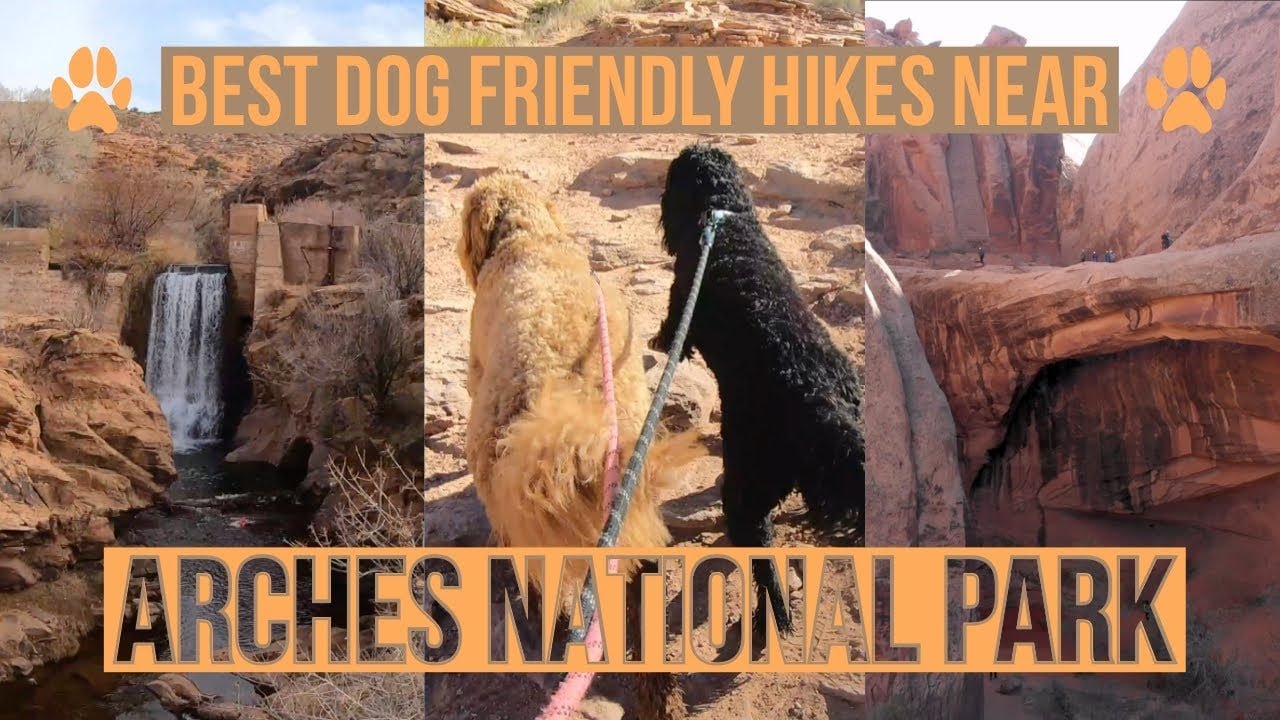
The Utah model is selling an experience of inclusion. Bring your whole family, and your family includes the dog, and the town has thought of everything. I don’t think the people running it are cynical. I think they like dogs and they saw an opportunity and they built infrastructure around it, and infrastructure is real, and I respect real infrastructure. The leash hooks in the vans are a serious thing. Someone thought carefully about the leash hooks.
What I can’t shake is the gap between dog-friendly and dog-considered. Friendly is about access. Considered is about the dog’s actual state, its actual needs, the question of whether this particular dog in this particular situation is okay. Friendly is easier to sell. Considered requires knowing something about dogs, which most people don’t, not really, not past the surface of them.
The silence before a team starts is a specific silence. Nothing else sounds like it. Eight dogs in harness, traces tight, every animal locked into that particular readiness that is almost muscular in its quality, and the whole prairie holding still around them, and the cold sitting in the back of your nose, and then the brake releases and the silence breaks all at once and cleanly. I have never found a way to explain to someone what that is before they’ve felt it. You can’t sell it on a patio.
Fenwick is twelve now. He still screams when the harnesses come out. He still wants the gangline to go taut more than he wants anything else I could offer him. He has never wanted to be on vacation.
Not every dog is Fenwick. But every dog is something specific, with specific needs, and those needs didn’t change because the town put out water bowls on Main Street.
The water bowls are nice. They’re just not the whole answer.
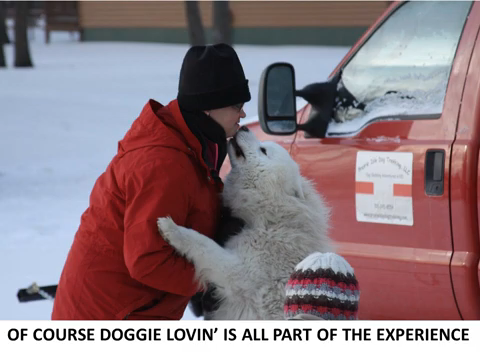
Helen L. Corlew runs a team of Samoyeds, Alaskan malamutes and Alaskan huskies. I am a Tellington TTouch practitioner and use this mode of work with training and living with my dogs.
Helen Corlew founded Prairie Isle Dog Trekking in Petersburg, North Dakota in 2010, and has spent the fifteen years since doing something most people only read about: teaching real dog sledding on real prairie terrain, at the edge of a landscape that doesn’t apologize for being difficult.
She is not a weekend enthusiast. She harnesses working dogs in January cold, trains handlers who have never touched a sled, and has built one of the only hands-on mushing education programs on the Northern Great Plains — from a single address on Highway 2, with no marketing budget and no shortcuts.
Her writing on Prairie Isle Dog Trekking reflects the same philosophy. Whether she is covering trail safety across the Rockies, breed behavior in extreme conditions, or what it actually takes to trek with a dog in the Alps, Helen writes from the position of someone who has done the work before writing the sentence.
She lives and runs dogs in Nelson County, North Dakota.
Kindly follow me on Social Media!
