

The permit system for Dog Mountain went live at six in the morning on a Tuesday. By six-oh-three, weekend slots for the next month were gone. That is not a trail management success story. That is a reservation system doing the administrative work while the actual problem goes unaddressed.
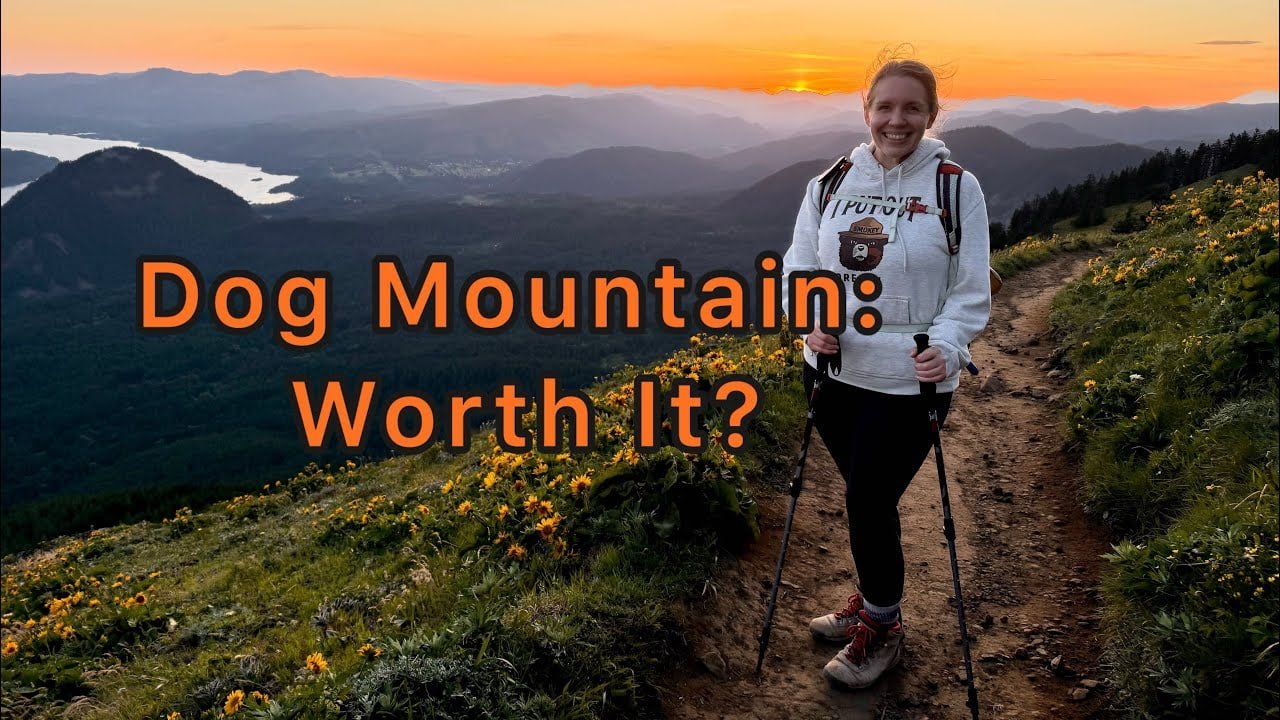
Dog Mountain in the Columbia River Gorge is a genuinely good trail. The U.S. Forest Service permit requirement during wildflower season is a reasonable response to real damage. What it does not address is why several thousand people with dogs are all trying to reach the same ridge on the same Saturday in May.
I run dogs on the Northern Great Plains in conditions that do not attract crowds. Minus twenty, sustained wind, and sixty miles of nothing in any direction will sort your recreational options efficiently. What I have watched happen to dog-friendly trail access in the Pacific Northwest and elsewhere is the predictable result of under-supply meeting oversupply of enthusiasm.
The Washington Trails Association has put trail crew hours into Dog Mountain in 2026. Those volunteers are doing real work on a real problem. But the erosion they are repairing is partly a symptom of what happens when a trail absorbs ten times the foot traffic it was built for, much of it with dogs whose owners have no trail experience and no particular interest in acquiring any.
I want to say something specific about the dogs in this conversation. A working dog conditioned for distance in cold weather has a physical profile that most permit-system debates ignore entirely. The dog hikers applying for Dog Mountain permits are, in most cases, not running working teams. They are hiking with pet dogs whose conditioning, trail behaviour, and recovery needs differ significantly from what I deal with every morning in Petersburg.
That distinction matters because the permit and etiquette frameworks being built around popular dog-friendly trails are being built for the median dog hiker. The median dog hiker has a dog on a six-foot leash who has never been on a trail longer than a neighbourhood walk. The trail behaviour problems generating the most complaint, reactive dogs, dogs off-lead in on-lead zones, dogs drinking from the same water source as other dogs, all of these come from that population.
Permit access frustration is real and I am not dismissing it. But the frustration is partly generated by people who discovered dog hiking during the pandemic, never built any trail skills, and are now competing for access to a trail whose carrying capacity cannot expand to match their numbers. The permit system did not create that problem. It revealed it.
Here is what the Dog Mountain situation actually tells us about dog-friendly trail access nationally. Popular trails designated as dog-friendly attract demand that outpaces infrastructure, enforcement, and the behavioural readiness of the dog population using them. The U.S. Forest Service is managing one symptom at a time. There is no national framework for assessing whether a trail’s dog-friendly designation is still appropriate given current usage patterns.
I apply TTouch as a foundational read on each dog’s physical and mental state before any serious outing. That practice exists because I need accurate information about what the dog can handle that day. Most dog hikers on a permit trail are making that assessment based on whether the dog seems excited at the car door. Those are not equivalent calibrations.
The working dog community sometimes looks at recreational dog hiking the way a tradesperson looks at a home renovation television show. The production values are high, the enthusiasm is genuine, and the gap between what is shown and what the work actually requires is large enough to cause real problems. Dog Mountain is where that gap is currently producing a permit lottery and a volunteer trail crew.
I do not have a policy solution for trail overcrowding. What I have is a consistent observation from years of working with dogs in demanding conditions. The limiting factor is almost never the trail. It is almost never the permit system. It is almost always the handler’s knowledge of the animal they brought into the environment.
Build that first. The trail access problem gets smaller when the people using trails actually know how to use them with dogs.
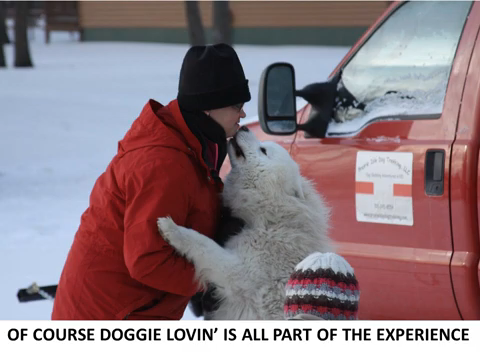
Helen L. Corlew runs a team of Samoyeds, Alaskan malamutes and Alaskan huskies. I am a Tellington TTouch practitioner and use this mode of work with training and living with my dogs.
Helen Corlew founded Prairie Isle Dog Trekking in Petersburg, North Dakota in 2010, and has spent the fifteen years since doing something most people only read about: teaching real dog sledding on real prairie terrain, at the edge of a landscape that doesn’t apologize for being difficult.
She is not a weekend enthusiast. She harnesses working dogs in January cold, trains handlers who have never touched a sled, and has built one of the only hands-on mushing education programs on the Northern Great Plains — from a single address on Highway 2, with no marketing budget and no shortcuts.
Her writing on Prairie Isle Dog Trekking reflects the same philosophy. Whether she is covering trail safety across the Rockies, breed behavior in extreme conditions, or what it actually takes to trek with a dog in the Alps, Helen writes from the position of someone who has done the work before writing the sentence.
She lives and runs dogs in Nelson County, North Dakota.
Kindly follow me on Social Media!
