

The dog came back from the tree line with a tick behind her left ear and three more along her collar line. She had been off leash for maybe four minutes while I adjusted the gangline. Four minutes was enough, and this was Petersburg in early May, not deep woods.
That particular spring I started checking every dog twice after any run that took us near standing grass or brush edges. The TTouch work made that easier because my hands already knew their bodies in detail. A tick embedded behind the ear of a dog you have not been handling systematically is far easier to miss than most people realize.
Spring in North Dakota arrives with specific hazards that trekking content does not discuss adequately. The ground warms unevenly. Ticks become active earlier than most dog owners expect, well before temperatures feel consistently warm. Dogs running in harness through low brush are moving through tick habitat at speed, which is a different exposure than a slow leashed walk.
The leash law conversation is one I have every spring with people who arrive for trail work and treat leash requirements as suggestions for other people’s dogs. State wildlife agencies are issuing reminders again this year for the same reason they issue them every year. The reminders are not precautionary. They exist because the problem is consistent and the consequences are not abstract.
Wildlife coming out of winter is in its lowest energy state of the year. A dog running loose through spring habitat is not just a disturbance. It is a serious threat to animals that have already spent months surviving on reserves. I have watched a Malamute cover two hundred yards of terrain in the time it takes to register that she has left the line.
The six-foot leash standard exists on established trails for reasons that apply regardless of how well-trained you believe your dog to be. A dog that recalls reliably at home is a different animal on a trail with wind carrying unfamiliar scents from every direction. I have seen reliable dogs fail that test. I have seen it more than once.
Tick checking is a skill, not a glance. After a spring run I go through each dog methodically, starting at the face and working back. I pay particular attention to the ears, collar area, armpits, groin, and between the toes. The University of Maine Tick Lab protocols are sound and worth reading in full, because the checking sequence matters as much as the intention to check.
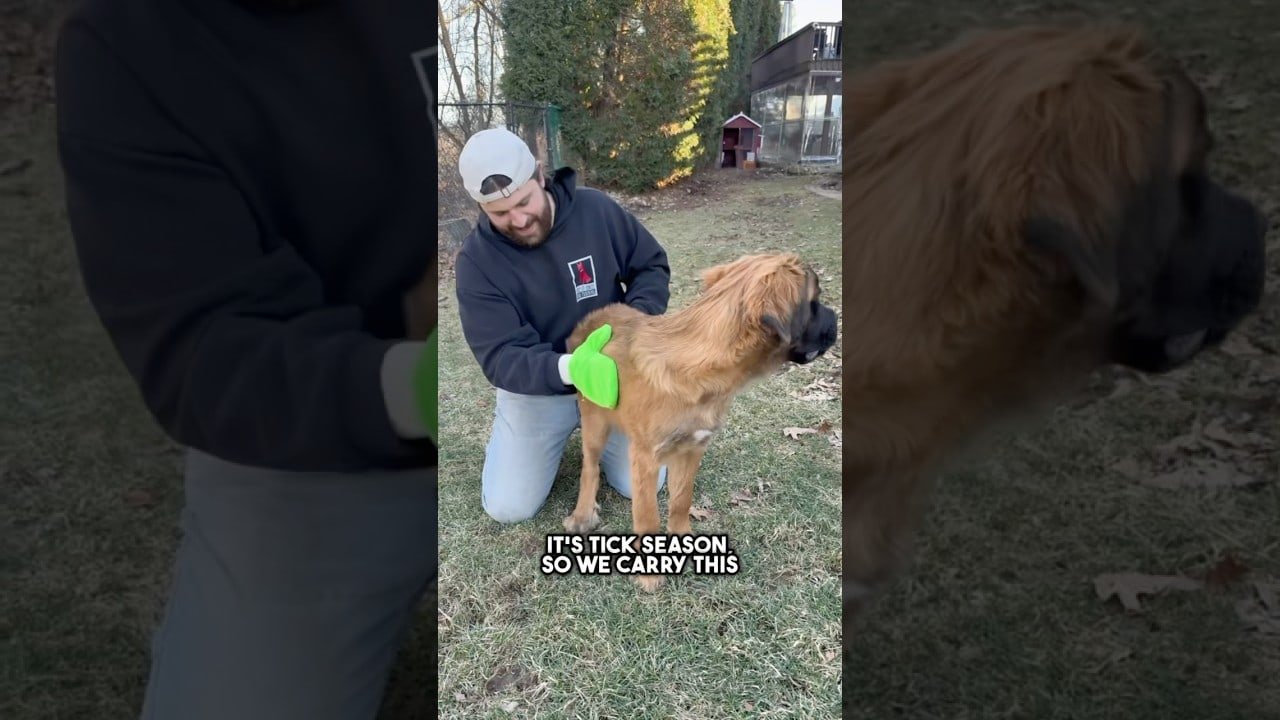
A handler I worked with last spring spent two minutes checking her dog and missed a tick that had been attaching long enough to matter. She had looked, which is not the same as checked. The difference between looking and checking is pressure, parting of fur, and systematic coverage rather than a visual scan of the surface.
Topical preventatives are not uniformly effective across all tick species in all regions. What works in one area may not provide adequate protection in another. I use preventatives and I still check every dog every time. The consequences of tick-borne illness in a working dog are not a minor inconvenience.
Dogs on trekking platforms are frequently shown in beautiful spring conditions with no discussion of pre- and post-run protocols. The photography is from the middle of the experience. The tick check happens at the end, in a parking lot, in less flattering light, and it is the part that actually protects the dog.
Leash laws during peak spring season are not inconveniences to navigate. They are protections for wildlife that cannot advocate for themselves, and for dogs that will follow instinct into situations their handlers cannot resolve quickly enough. Compliance is not the ceiling of responsible trail use. It is the floor.
If you are running dogs on trails this spring, check them thoroughly after every outing. Do not trust a glance. Do not trust a preventative alone. Do not trust your dog’s recall under conditions more complex than where you last tested it.
The things that go wrong in spring with dogs on trails are not freak events. They are predictable failures of preparation, and almost all of them were avoidable with the same attention that a pre-run harness check requires.
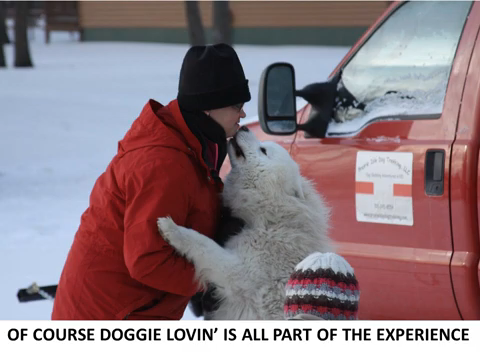
Helen L. Corlew runs a team of Samoyeds, Alaskan malamutes and Alaskan huskies. I am a Tellington TTouch practitioner and use this mode of work with training and living with my dogs.
Helen Corlew founded Prairie Isle Dog Trekking in Petersburg, North Dakota in 2010, and has spent the fifteen years since doing something most people only read about: teaching real dog sledding on real prairie terrain, at the edge of a landscape that doesn’t apologize for being difficult.
She is not a weekend enthusiast. She harnesses working dogs in January cold, trains handlers who have never touched a sled, and has built one of the only hands-on mushing education programs on the Northern Great Plains — from a single address on Highway 2, with no marketing budget and no shortcuts.
Her writing on Prairie Isle Dog Trekking reflects the same philosophy. Whether she is covering trail safety across the Rockies, breed behavior in extreme conditions, or what it actually takes to trek with a dog in the Alps, Helen writes from the position of someone who has done the work before writing the sentence.
She lives and runs dogs in Nelson County, North Dakota.
Kindly follow me on Social Media!
