


Cushing's syndrome in dogs is a hormonal disorder caused by excess cortisol production. It is the most common endocrine disorder in middle-aged and older dogs and produces back leg weakness, symmetrical hair loss, a pot-bellied abdomen, and increased thirst. It is frequently confused with diabetes because both conditions cause polydipsia and polyuria.
For related reading, see Dog Yeast Infection Paw: 7 Symptoms, Antifungal Treatments, and Home Remedies.
What Is Cushing's Syndrome in Dogs?
For veterinary context, see this reliable source.
Cushing's syndrome, also called hyperadrenocorticism, occurs when the adrenal glands produce too much cortisol. Cortisol is a steroid hormone that regulates stress response, metabolism, immune function, and blood pressure. Chronic excess cortisol damages multiple body systems simultaneously.
According to the FDA, Cushing's disease typically affects middle-aged to older dogs and develops slowly. Early signs are often mistaken for normal aging.
What Causes Cushing's Disease in Dogs?
Cushing's disease in dogs has 3 causes:
- Pituitary-dependent Cushing's: a small, slow-growing, typically benign tumor in the pituitary gland causes overproduction of adrenocorticotropic hormone (ACTH), which stimulates the adrenal glands to produce excess cortisol. This accounts for approximately 80-85% of all Cushing's cases in dogs.
- Adrenal-dependent Cushing's: a tumor in one of the adrenal glands directly produces excess cortisol. This accounts for approximately 15-20% of cases and is more often malignant than pituitary tumors.
- Iatrogenic Cushing's: caused by long-term use of steroid medications (corticosteroids) prescribed for other conditions such as allergies or immune disorders.
Breeds with elevated susceptibility include Poodles, Dachshunds, Beagles, Boston Terriers, Boxers, and Yorkshire Terriers.
How Does Cushing's Syndrome Affect a Dog's Back Legs?
Cushing's syndrome causes progressive muscle wasting by elevating cortisol levels over months or years. Cortisol breaks down muscle protein, leading to muscle atrophy. The back legs are the most visibly affected area because they bear weight and are relied upon for rising, climbing, and jumping.
According to Great Pet Care, reviewed by veterinarian Catherine Barnette DVM, dogs with Cushing's often have shaky back legs and decreased endurance. Specific mobility signs include:
- Difficulty rising from lying down
- Reluctance to climb stairs
- Inability to jump onto furniture or into a car
- Shortened stride and slow, stiff gait
- Progressive hind limb instability
The pot-bellied appearance that accompanies Cushing's disease compounds back leg strain. Increased abdominal fat combined with weakened abdominal and hindquarter muscles shifts the dog's centre of gravity, adding pressure to already weakened hind limbs.
What Are the 3 Stages of Cushing's Disease in Dogs?
Cushing's disease progresses through 3 stages, each with distinct signs:
| Stage | Primary Signs |
|---|---|
| Early | Increased thirst and urination; increased appetite; subtle hair loss |
| Mid | Pot-bellied appearance; muscle weakness in back legs; skin changes; recurrent infections |
| Late | Rapid weight gain then weight loss from muscle deterioration; secondary diabetes; extreme weakness; reduced appetite |
Diabetes mellitus is a common secondary condition in the late stage of Cushing's disease. Excess cortisol over time damages the pancreas and impairs insulin production.
What Are the Signs and Symptoms of Cushing's Syndrome in Dogs?
Cushing's syndrome in dogs produces 10 primary signs, according to the FDA:
- Increased thirst (polydipsia): gradual increase to 3-4 times normal water intake
- Increased urination (polyuria): frequent urination, often with indoor accidents despite prior house-training
- Increased appetite (polyphagia): food stealing, begging, and trash raiding
- Pot-bellied abdomen: caused by fat redistribution and weakened abdominal muscles
- Symmetrical hair loss on the trunk: bilateral hair thinning on the sides of the body; the head and legs are usually spared
- Thin, fragile skin: skin becomes papery, tears easily, bruises readily
- Calcinosis cutis: hard, white, scaly calcium deposits on the skin, elbows, and groin
- Excessive panting at rest
- Reduced activity and lethargy
- Recurrent skin and ear infections: elevated cortisol suppresses immune function, allowing yeast and bacteria to overgrow
Back leg weakness and high blood pressure are additional signs noted as Cushing's progresses.
Why Is My Dog Losing Hair?
Hair loss in dogs has 5 primary hormonal and dermatological causes. The pattern of hair loss identifies the likely cause.
| Cause | Hair Loss Pattern | Other Signs |
|---|---|---|
| Cushing's disease | Symmetrical, trunk; head and legs spared; not itchy | Pot belly, increased thirst, thin skin |
| Hypothyroidism | Symmetrical trunk and tail ("rat tail"); not itchy | Weight gain, lethargy, cold intolerance |
| Allergies | Patchy, irregular; concentrated at paws, groin, armpits, ears; itchy | Licking, chewing, redness |
| Mange | Irregular, crusty, scaly patches | Intense itching, skin redness |
| Ringworm | Circular bald patches with scaly border | Contagious to humans and other pets |
According to DogMD, dogs with hormonal causes of hair loss rarely scratch because the hair loss is not itchy. Dogs with allergic causes of hair loss scratch and lick persistently. This distinction helps narrow the diagnosis before testing.
Cushing's-related hair loss is non-itchy and symmetrical. Hypothyroidism produces a similar pattern but is accompanied by weight gain and cold sensitivity rather than the pot belly and thin skin of Cushing's.
Why Is My Dog Drinking a Lot of Water?
A dog is drinking a lot of water when water intake exceeds 40 millilitres per pound of body weight per day. For a 20 lb dog, this is more than 4 cups per day. According to PetPlace, 6 conditions cause clinically significant polydipsia in dogs:

- Cushing's disease: gradual onset; cortisol directly increases thirst
- Diabetes mellitus: sudden onset; body increases drinking to compensate for glucose-driven fluid loss in urine
- Kidney disease: kidneys lose the ability to concentrate urine
- Liver disease: liver failure disrupts fluid and electrolyte balance
- Hypothyroidism: metabolic slowdown can affect fluid regulation
- Diabetes insipidus: rare; ADH hormone deficiency prevents kidneys from retaining water
The onset speed differentiates Cushing's from diabetes. Cushing's produces a gradual increase in thirst over weeks to months. Diabetes mellitus produces a sudden and intense increase in thirst and urination.
What Are the Signs and Symptoms of Diabetes in Dogs?
Diabetes mellitus in dogs is an insulin-deficiency disorder. Without sufficient insulin, cells cannot absorb glucose from the blood. The body compensates by breaking down fat and muscle for energy. Clinical signs of diabetes in dogs include 6 primary indicators, confirmed by clinical research:
- Sudden, intense increased thirst (polydipsia)
- Frequent urination (polyuria): glucose in urine pulls water with it, increasing urine volume
- Increased hunger (polyphagia): cells are glucose-starved despite high blood sugar
- Weight loss despite normal or increased appetite: fat and muscle are broken down for energy
- Lethargy: cells lack the glucose needed for energy production
- Cataracts: rapid cloudiness of the eyes is a distinguishing sign of diabetes in dogs; not seen in Cushing's
According to PetMD, a veterinarian will diagnose diabetes based on fasting blood glucose above 250 mg/dl, glycosuria (glucose in urine), and one or more of the clinical signs listed above.
Do Dogs with Diabetes Lick Their Feet?
Dogs with diabetes lick their feet for 2 reasons. First, diabetic neuropathy (nerve damage from prolonged high blood glucose) causes abnormal sensations including tingling or discomfort in the paws, prompting licking. Second, high blood glucose creates conditions where yeast and bacteria overgrow on the skin, causing secondary paw yeast infections. Yeast infections on the paws produce intense itching, which drives licking behaviour. Dogs with uncontrolled diabetes have a higher frequency of skin and paw yeast infections than healthy dogs, because glucose in the skin provides a substrate for Malassezia yeast proliferation.
What Is the Difference Between Cushing's Disease and Diabetes in Dogs?
Cushing's disease and diabetes share increased thirst and urination, but 6 key differences distinguish them.
| Feature | Cushing's Disease | Diabetes Mellitus |
|---|---|---|
| Thirst onset | Gradual, over weeks to months | Sudden and intense |
| Weight change | Weight gain; pot-bellied appearance | Weight loss despite eating |
| Hair loss | Symmetrical, on trunk; not itchy | Minimal; coat becomes dry and dull |
| Back leg weakness | Common; progressive muscle wasting | Less common; occurs in advanced cases |
| Cataracts | Rare | Common; rapid onset |
| Skin changes | Thin, fragile; calcinosis cutis; dark patches | Dry skin; prone to secondary infections |
| Urine | Dilute; may contain no glucose | Contains glucose (glycosuria) |
| Primary cause | Excess cortisol from adrenal or pituitary tumor | Insufficient insulin from pancreas |
| Diagnosis | ACTH stimulation test, LDDST | Fasting blood glucose, urinalysis |
| Treatment | Trilostane or mitotane | Insulin injections |
Diabetes mellitus is also a secondary complication of Cushing's disease. Dogs with untreated or advanced Cushing's develop diabetes as chronic cortisol excess damages the pancreas and causes insulin resistance.
What Do Recurring Ear Infections in Dogs Indicate?
Recurring ear infections in dogs are a clinical sign of 3 underlying conditions: allergies, hypothyroidism, and Cushing's disease.
Signs of an ear infection in dogs include:

- Head shaking
- Scratching at the ear
- Redness and swelling inside the ear canal
- Dark, waxy, or bloody discharge
- Musty or foul odour from the ear
- Pain when the ear is touched
A single ear infection is common and usually resolves with topical treatment. Recurring ear infections (3 or more episodes within 12 months) indicate an underlying systemic cause that standard treatment does not address.
How Are Ear Infections Connected to Cushing's Disease and Diabetes?
Ear infections connect to Cushing's disease and diabetes through 2 mechanisms:
- Cushing's disease: excess cortisol suppresses immune function. Reduced immune response allows yeast (Malassezia) and bacteria to overgrow in the ear canal. Dogs with Cushing's have recurrent skin and ear infections as a direct consequence of chronic immune suppression. According to Small Door Veterinary, dogs with Cushing's are more likely to contract infections including urinary tract infections and bacterial skin infections.
- Diabetes mellitus: high blood glucose creates an environment where yeast and bacteria proliferate. Glucose-rich mucous membranes in the ear canal are more susceptible to Malassezia overgrowth. Dogs with poorly controlled diabetes are prone to recurrent ear yeast infections.
Hypothyroidism also causes recurrent ear infections. PetMD notes that chronic skin and ear infections may signal underlying hypothyroidism when they do not respond to standard antibiotic or antifungal treatment.
How Is Cushing's Syndrome Diagnosed in Dogs?
Cushing's syndrome in dogs is diagnosed using 4 types of tests:
- Serum chemistry and complete blood count (CBC): elevated alkaline phosphatase (ALP) is the most consistent finding in Cushing's dogs; elevated cholesterol and triglycerides also appear
- Urinalysis: dilute urine (low specific gravity) and possible urinary tract infection
- Adrenal function tests: the Low Dose Dexamethasone Suppression Test (LDDST) is the most sensitive screening test for Cushing's. The ACTH stimulation test is used to confirm and monitor treatment. The High Dose Dexamethasone Suppression Test (HDDST) distinguishes pituitary-dependent from adrenal-dependent disease.
- Abdominal ultrasound: assesses the size and shape of the adrenal glands; an enlarged adrenal gland indicates adrenal-dependent Cushing's
How Is Cushing's Disease Treated in Dogs?
Cushing's disease in dogs is treated with 3 medication options, according to the FDA:
- Trilostane (Vetoryl): the preferred medication for pituitary-dependent Cushing's; blocks cortisol synthesis in the adrenal glands
- Mitotane (Lysodren): destroys cortisol-producing cells in the adrenal cortex; used for both pituitary-dependent and adrenal-dependent cases
- Selegiline: milder option for pituitary-dependent Cushing's; less commonly used
Iatrogenic Cushing's (caused by steroid medication) is treated by gradually reducing the steroid dose under veterinary supervision. Abrupt discontinuation causes adrenal crisis.
Adrenal-dependent Cushing's is the only form curable through surgery, provided the tumor has not spread. Surgery removes the affected adrenal gland. Pituitary tumors are not typically removed in dogs due to surgical risk.
There are no natural remedies that effectively treat Cushing's disease. PetMD confirms this directly. Expected lifespan following diagnosis ranges from 1 to 5 years depending on treatment type, age at diagnosis, and whether secondary conditions such as diabetes or hypertension develop.
When Should You See a Vet for These Symptoms?
A veterinarian examination is necessary when a dog shows any of the following combinations:
- Increased thirst combined with hair loss, pot-bellied appearance, or hind leg weakness
- Sudden weight loss combined with increased thirst and appetite
- Recurring ear infections (3 or more in 12 months)
- Back leg weakness in a dog over 6 years old with no prior joint diagnosis
- Excessive licking of paws combined with increased urination
Cushing's disease, diabetes, and hypothyroidism produce overlapping symptoms. Blood tests, urinalysis, and hormone panels are required to differentiate them. A diagnosis based on symptoms alone is inaccurate for this group of conditions.

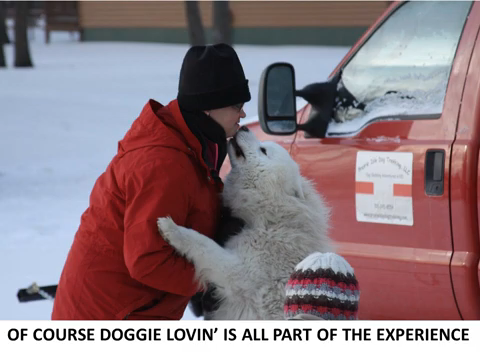
Helen L. Corlew runs a team of Samoyeds, Alaskan malamutes and Alaskan huskies. I am a Tellington TTouch practitioner and use this mode of work with training and living with my dogs.
Helen Corlew founded Prairie Isle Dog Trekking in Petersburg, North Dakota in 2010, and has spent the fifteen years since doing something most people only read about: teaching real dog sledding on real prairie terrain, at the edge of a landscape that doesn’t apologize for being difficult.
She is not a weekend enthusiast. She harnesses working dogs in January cold, trains handlers who have never touched a sled, and has built one of the only hands-on mushing education programs on the Northern Great Plains — from a single address on Highway 2, with no marketing budget and no shortcuts.
Her writing on Prairie Isle Dog Trekking reflects the same philosophy. Whether she is covering trail safety across the Rockies, breed behavior in extreme conditions, or what it actually takes to trek with a dog in the Alps, Helen writes from the position of someone who has done the work before writing the sentence.
She lives and runs dogs in Nelson County, North Dakota.
Kindly follow me on Social Media!


