


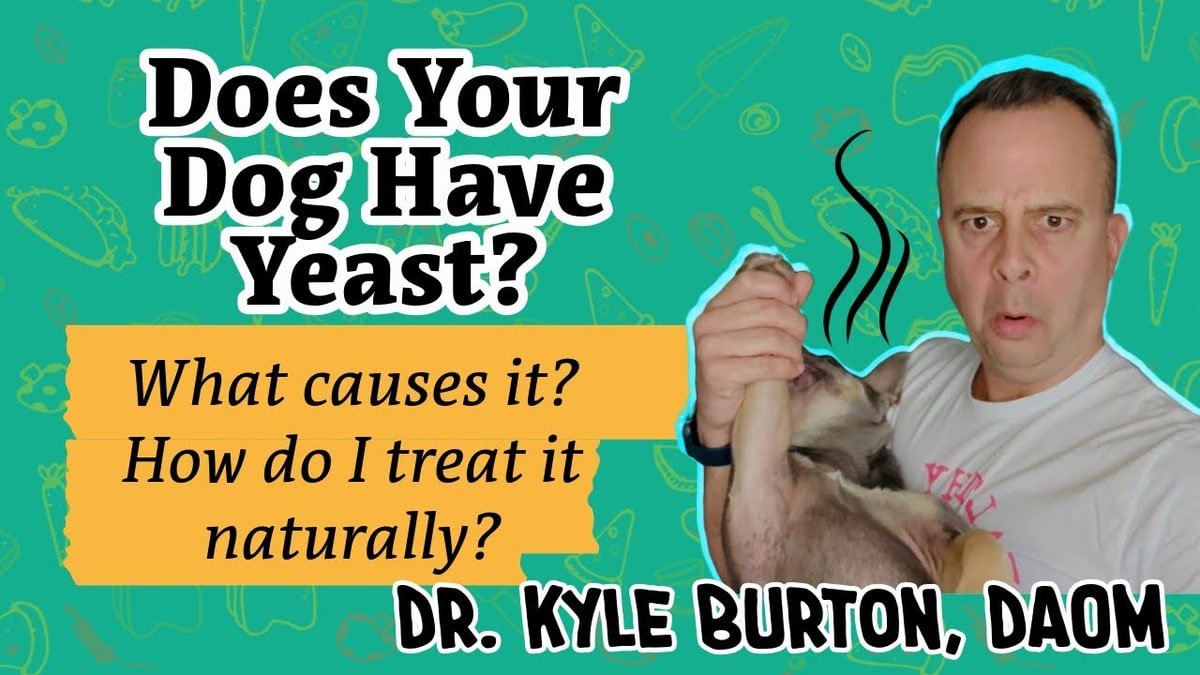
A dog paw yeast infection is a fungal skin condition caused by the overgrowth of Malassezia pachydermatis, a yeast species normally present in small numbers on healthy dog skin. It causes itching, redness, and a musty odor between the toes and on the paw pads. Treatment involves topical antifungals, medicated paw soaks, and addressing the underlying cause.
For related reading, see Deshedding Shampoo for Dogs: 9 Grooming Products Compared by Coat Type and Use Case in 2026.
What Is a Dog Paw Yeast Infection?
For veterinary context, see this reliable source.
A dog paw yeast infection, also called yeast dermatitis or Malassezia dermatitis, occurs when naturally occurring yeast organisms on the skin multiply beyond normal levels. Malassezia pachydermatis is the primary organism responsible. Under normal conditions, it coexists with healthy bacteria on the skin. When the skin's natural balance is disrupted, the yeast proliferates and causes infection.
Yeast paw infections are among the most common dermatological presentations in dogs. They frequently occur alongside ear infections and skin fold infections, as the same underlying triggers affect multiple areas simultaneously.
What Causes Yeast in Dog Paws?
Yeast overgrowth in dog paws is triggered by 5 primary factors:
- Allergies: Environmental allergens such as pollen, mold, and dust mites inflame the skin and create conditions favorable to yeast growth. Food sensitivities to ingredients such as chicken, beef, wheat, or corn also disrupt skin barrier function.
- Excess moisture: Constant wetness from swimming, rain, puddles, or self-licking creates a warm, damp environment where Malassezia thrives. A dog's sweat glands are located in the paw pads, making this area naturally prone to moisture buildup.
- Weakened immune system: Dogs with chronic illness, hypothyroidism, Cushing's disease, or those on immune-suppressing medications are more susceptible to yeast overgrowth.
- Poor paw hygiene: Dirt, debris, and trapped moisture between the toes support yeast development when paws are not regularly cleaned and dried.
- Hot and humid weather: Yeast infections are more common in summer months because high humidity accelerates Malassezia proliferation.
Certain breeds show higher susceptibility to recurrent paw yeast infections. These include West Highland White Terriers, Basset Hounds, Cocker Spaniels, Shih Tzus, Boxers, and Dachshunds.
What Are the 7 Symptoms of a Dog Paw Yeast Infection?
7 symptoms indicate a yeast infection in a dog's paws:
- Excessive licking and chewing: The most common early sign. Dogs lick or chew their paws repeatedly in an attempt to relieve irritation.
- Redness and swelling: The skin between the toes and around the paw pads becomes visibly inflamed and red.
- Musty or corn chip odor: Yeast metabolizing on the skin produces a distinctive smell. This "corn chip" or musty odor is a reliable indicator of Malassezia overgrowth.
- Thickened or flaky skin: The paw pads and skin between the toes become rough, thickened, or scaly as the infection progresses.
- Greasy or discolored fur: The fur around the paws may appear oily or stained reddish-brown, the result of prolonged licking combined with yeast activity.
- Limping or reluctance to walk: Dogs with advanced paw yeast infections show signs of discomfort when walking or avoid bearing weight on the affected paw.
- Darkened skin (hyperpigmentation): Chronic yeast infections cause the affected skin to darken over time as a response to ongoing inflammation.
How Is a Dog Paw Yeast Infection Diagnosed?
Veterinarians diagnose dog paw yeast infections using skin cytology. This involves a skin swab, skin scrape, or tape impression of the affected area. The collected material is transferred to a microscope slide and examined for the characteristic footprint-shaped Malassezia organisms. In some cases, samples are sent to a veterinary diagnostic laboratory for pathologist review. A skin cytology is necessary to distinguish a yeast infection from a bacterial infection, both of which can produce similar symptoms.
How Do You Get Rid of Yeast in a Dog's Paws?
Yeast in a dog's paws is eliminated through topical antifungal therapy, oral medication (for severe cases), and management of the underlying cause. Topical therapy is the primary treatment for most paw yeast infections.
Treatment falls into 3 categories:
- Topical antifungals: antifungal wipes, shampoos, sprays, and creams applied directly to the affected paws
- Oral antifungal medications: prescribed for severe, widespread, or recurring infections
- Underlying cause management: allergy control, dietary changes, or hormonal treatment to prevent recurrence
Medicated paw soaks are particularly effective for between-toe infections. Soaking the paws in an antifungal solution for 5 to 10 minutes, twice weekly, reduces yeast levels while soothing inflammation. Paws must be dried thoroughly after every soak to prevent moisture reaccumulation.
What Antifungal Medication Is Used for Dogs?
Antifungal medication for dogs is available in topical and oral formulations. Topical antifungals are the first line of treatment. Oral medications are reserved for severe or systemic cases.
| Medication | Form | Use | Prescription Required |
|---|---|---|---|
| Ketoconazole | Oral tablet, topical spray/shampoo | Malassezia skin infections | Yes (oral); No (some topicals) |
| Miconazole (2%) | Topical spray, ointment | Superficial yeast and fungal skin infections | Varies |
| Fluconazole | Oral tablet | Severe or systemic fungal infections | Yes |
| Itraconazole | Oral capsule | Widespread or resistant infections | Yes |
| Terbinafine | Oral tablet | Ringworm and resistant yeast infections | Yes |
| Clotrimazole | Topical cream | Localized superficial yeast | No (topical) |

Ketoconazole is the most commonly prescribed oral antifungal for Malassezia yeast infections in dogs. According to GoodRx, treatment with oral ketoconazole for a Malassezia infection typically lasts 2 to 4 weeks. Ketoconazole is not FDA-approved for dogs but is legally prescribed off-label, which is standard practice in veterinary medicine.
Fluconazole is preferred for infections involving the nervous system or when ketoconazole causes side effects. Itraconazole is a common alternative when resistance to ketoconazole is suspected.
Human antifungal creams are not recommended for use on dogs. Human formulations may contain concentrations or additives that are toxic to dogs. A veterinarian's diagnosis and product recommendation are necessary before starting any antifungal treatment.
What Is the Best Itch Spray for Dogs with Yeast Infections?
Itch sprays for dogs with yeast infections fall into 3 categories based on active ingredients:
- Chlorhexidine sprays (2-4%): chlorhexidine gluconate is an antiseptic that reduces both yeast and bacteria on the skin surface. Effective for localized paw yeast infections. Products combining chlorhexidine with ketoconazole target both fungal and bacterial components simultaneously. Examples include Vetnique Dermabliss and Vetified Chlorhexidine Spray.
- Hypochlorous acid (HOCl) sprays: a gentle, lick-safe disinfectant with antifungal, antibacterial, and anti-inflammatory properties. According to Great Pet Care, HOCl is one of the safest at-home options for skin and ear yeast infections. Available OTC as liquid sprays and wipes. Examples include SkinSmart Antimicrobial and Paw Science Skin and Wound Care Spray.
- Miconazole sprays (2%): targeted antifungal sprays for superficial skin yeast infections. Require a prescription in some formulations.
For paw-specific yeast, sprays are applied between the toes and on the paw pad surface after cleaning. Paws are dried before application. Alcohol-free, no-sting formulations are preferred for sensitive or raw skin.
What Are Home Remedies for Dog Itchy Skin and Paw Yeast?
Home remedies provide supportive care for mild dog paw yeast infections. They are not substitutes for veterinary diagnosis or prescription antifungal treatment in moderate to severe cases.
4 evidence-referenced home remedies for dog paw yeast infections are:
Does Apple Cider Vinegar Help Dog Paw Yeast Infections?

Apple cider vinegar (ACV) helps dog paw yeast infections by creating an acidic environment that inhibits Malassezia proliferation. A study indexed by the National Library of Medicine found that acetic acid, the active component in ACV, actively suppresses yeast growth. White vinegar is more effective against Malassezia dermatitis, while ACV is superior against Candida albicans.
Method: mix 1 part ACV with 1 part water. Soak the affected paws for 2 to 5 minutes. Dry thoroughly. ACV paw soaks are applied once daily during active infection.
Do not apply ACV on open wounds, broken skin, or raw tissue. ACV causes stinging on damaged skin and can worsen irritation.
What Are Home Remedies for Dogs with Itchy Skin from Yeast?
5 home remedies reduce itching in dogs with yeast-related skin irritation:
- Apple cider vinegar paw soak (50/50 dilution): lowers skin pH to discourage yeast growth, as described above
- Coconut oil (topical): contains lauric acid and caprylic acid, both of which show antifungal activity against Malassezia in laboratory studies. Apply a thin layer to affected skin 1 to 2 times daily. Start oral supplementation at 1/4 teaspoon per 10 lbs of body weight. Studies indicate coconut oil may reduce Candida albicans colonization by up to 10-fold.
- Probiotics: beneficial bacteria restore gut microbiome balance and support the immune response that controls yeast overgrowth. Oregon State University research (2013) links gut microbiome composition to a range of skin and health conditions. Select a probiotic with at least 10 strains of live organisms.
- Hypochlorous acid (HOCl) spray: gentle, lick-safe, and antifungal. A safe OTC option between veterinary visits.
- Oatmeal baths: colloidal oatmeal has been shown to reduce skin inflammation and barrier disruption. While oatmeal does not have direct antifungal properties, it reduces itch and supports the skin barrier during recovery.
Chlorhexidine-ketoconazole medicated shampoos are a step above home remedies and are available OTC. Twice-weekly shampoo baths covering the paws, underbelly, and skin folds reduce the overall yeast load across the body.
How Do You Prevent Yeast Infections in Dog Paws?
Yeast infections in dog paws are preventable through 5 consistent practices:
- Dry paws after every walk, swim, or outdoor activity. Moisture trapped between the toes is the primary environmental trigger for Malassezia overgrowth.
- Wipe paws after walking on grass or pavement. This removes environmental allergens such as pollen and mold spores that trigger allergic skin inflammation.
- Feed a low-starch, low-sugar diet. Yeast organisms metabolize simple carbohydrates. Reducing dietary starch and sugar removes a key substrate for overgrowth. Avoid foods with potatoes, rice, corn, and oats in dogs with recurring yeast infections.
- Clean and inspect paws weekly. Check between the toes for redness, debris, or early inflammation. Early detection reduces the severity of infections before clinical signs develop.
- Manage allergies proactively. Dogs with identified environmental or food allergies benefit from allergen avoidance, antihistamines, or veterinarian-prescribed allergy treatments to prevent the skin barrier disruption that precedes yeast infection.
When Should You See a Vet for a Dog Paw Yeast Infection?
A veterinarian examination is necessary in 5 situations:
- Symptoms persist beyond 5 to 7 days of home treatment
- The infection spreads to other paws, the ears, or skin folds
- Open wounds, bleeding, or significant swelling develop on the paws
- The dog stops eating, shows lethargy, or appears in significant pain
- The infection is recurring (more than 2 episodes in 6 months), which indicates an undiagnosed underlying condition such as allergies, hypothyroidism, or Cushing's disease
Recurring yeast infections are rarely resolved with topical treatment alone. Veterinary dermatologists use skin cytology, allergy testing, and systemic diagnostics to identify and treat the root cause. Dogs with recurring infections benefit from skin cytology at each episode to confirm whether yeast or bacteria (or both) are present, as the treatment protocols differ.

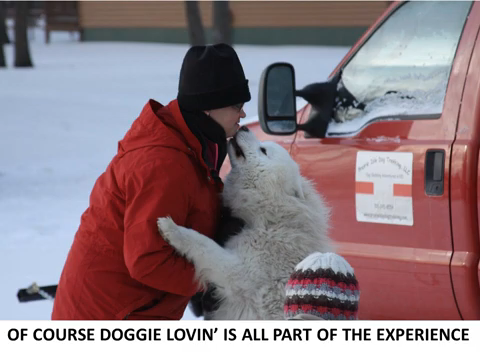
Helen L. Corlew runs a team of Samoyeds, Alaskan malamutes and Alaskan huskies. I am a Tellington TTouch practitioner and use this mode of work with training and living with my dogs.
Helen Corlew founded Prairie Isle Dog Trekking in Petersburg, North Dakota in 2010, and has spent the fifteen years since doing something most people only read about: teaching real dog sledding on real prairie terrain, at the edge of a landscape that doesn’t apologize for being difficult.
She is not a weekend enthusiast. She harnesses working dogs in January cold, trains handlers who have never touched a sled, and has built one of the only hands-on mushing education programs on the Northern Great Plains — from a single address on Highway 2, with no marketing budget and no shortcuts.
Her writing on Prairie Isle Dog Trekking reflects the same philosophy. Whether she is covering trail safety across the Rockies, breed behavior in extreme conditions, or what it actually takes to trek with a dog in the Alps, Helen writes from the position of someone who has done the work before writing the sentence.
She lives and runs dogs in Nelson County, North Dakota.
Kindly follow me on Social Media!


