
Dog-friendly hiking trails are designated outdoor paths where dogs are permitted under specific rules. The U.S. has 5 major hiking regions: the Northeast, Southeast, Midwest, Southwest, and West. Each region offers distinct terrain, climate, and leash regulations for hiking with dogs.
What Are Dog-Friendly Hiking Trails?
Dog-friendly hiking trails are outdoor paths in natural areas where dogs are allowed, typically on a leash of 6 feet or less. These trails exist in national forests, state parks, and municipal recreation areas. Examples include Jordan Pond Path in Maine, Barton Creek Greenbelt in Texas, and Forest Park in Oregon. For the previous guide in this series, see Hiking With a Rescue Dog: 8 Safety Tips, Training Steps, and Essential Gear Guide.
According to the American Hiking Society, 57.8 million Americans hiked in 2022. A growing portion hike with dogs, making pet-inclusive trail access a key factor in destination choice.
What Makes a Trail Dog-Friendly?
A trail qualifies as dog-friendly when it meets 4 conditions:
- Dogs are explicitly permitted by the managing park authority
- Fresh water access points are available along the route
- Terrain is safe for paw health — no sharp volcanic rock or extreme heat surfaces
- Shade or rest areas exist at intervals along the path
The American Kennel Club notes that pavement above 125°F burns a dog’s paws in under 60 seconds. Trails with sustained ground heat are not suitable for most breeds.
Which Dog-Friendly Hiking Trails Are in the Northeast?
The Northeast has 4 established dog-friendly hiking trails, including Jordan Pond Path in Maine and Bear Mountain Loop in New York.
The Northeast covers states like Maine, New Hampshire, Connecticut, and New York. These areas offer temperate climates and forested terrain. Dogs are allowed on most trails with a standard 6-foot leash.
Top Northeast Dog-Friendly Trails
|
Trail |
Location |
Length |
Difficulty |
|---|---|---|---|
|
Jordan Pond Path |
Acadia NP, Maine |
3.3 miles |
Easy |
|
Bear Mountain Loop |
Bear Mountain, NY |
5.0 miles |
Moderate |
|
Sleeping Giant Trail |
Hamden, CT |
6.5 miles |
Moderate |
|
Mount Monadnock South Ridge |
Jaffrey, NH |
4.0 miles |
Moderate |
Jordan Pond Path is a flat loop around a glacial pond. It is suitable for dogs of all sizes and fitness levels. Bear Mountain Loop rises 1,305 feet in elevation. Water is accessible at Perkins Memorial Lake along the route.
Note that Acadia National Park restricts dogs from ladder trails and selected beach areas between May 15 and September 15.
Which Dog-Friendly Hiking Trails Are in the Southeast?
The Southeast has 3 major dog-friendly hiking destinations, including Shenandoah National Park in Virginia and Stone Mountain State Park in North Carolina.
Shenandoah National Park allows dogs on 480 of its 500 trail miles. It is one of the most dog-accessible national parks in the eastern U.S. Dogs must remain on a leash of 6 feet or shorter throughout the park.
Top Southeast Dog-Friendly Trails
- Appalachian Trail (Shenandoah section) — Virginia — 101 miles, leash required
- DeSoto Falls Trail — Alabama — 4.7 miles, leash required
- Stone Mountain Loop — North Carolina — 4.5 miles, leash required
DeSoto Falls Trail leads to a 104-foot waterfall. It provides shaded canopy sections and is well-suited for medium to large dog breeds. Stone Mountain Loop crosses open granite domes and forested ridges. Dogs must remain leashed at all times.
The Southeast experiences high humidity from June to September. Carry 1 extra liter of water per dog during summer hikes in this region.
Which Dog-Friendly Hiking Trails Are in the Midwest?
The Midwest has 3 prominent dog-friendly hiking areas, including Sleeping Bear Dunes National Lakeshore in Michigan and Shawnee National Forest in Illinois.
Sleeping Bear Dunes allows dogs on most trails and beaches from October 15 to April 14. Summer restrictions apply to protect nesting shorebirds. Shawnee National Forest covers 280,000 acres and permits leashed dogs on all trails year-round.
Top Midwest Dog-Friendly Trails
|
Trail |
Location |
Length |
Terrain |
|---|---|---|---|
|
Dune Trail |
Sleeping Bear Dunes, MI |
3.5 miles |
Sandy, moderate |
|
Garden of the Gods Loop |
Shawnee NF, IL |
0.25 miles |
Rocky, easy |
|
Starved Rock Loop |
Utica, IL |
13.0 miles |
Forested, moderate |
Garden of the Gods trail features sandstone rock formations that rise up to 150 feet. Starved Rock Loop covers 13 miles and passes 18 canyons and waterfalls. Both trails require a 6-foot leash.
Which Dog-Friendly Hiking Trails Are in the Southwest?
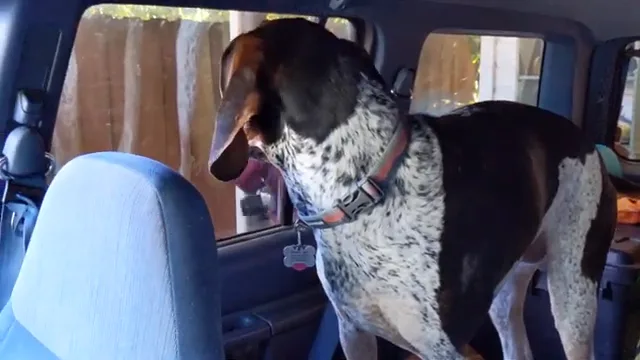
The Southwest has 4 dog-friendly hiking trails, including South Mountain Park in Arizona and Barton Creek Greenbelt in Texas.
South Mountain Park in Phoenix covers 16,000 acres. It is one of the largest municipal parks in the U.S. Dogs are allowed on all trails with a 6-foot leash.
Top Southwest Dog-Friendly Trails
- National Trail — South Mountain Park, AZ — 14.7 miles (leash required)
- Summit Trail — Enchanted Rock, TX — 0.6 miles (leash required)
- Barton Creek Greenbelt — Austin, TX — 12.0 miles (off-leash sections available)
- Dog Canyon Trail — Guadalupe Mountains NP, TX — 4.2 miles (leash required)
Summer temperatures in Arizona and Texas regularly exceed 100°F (38°C). The American Kennel Club recommends hiking before 9 a.m. in hot desert climates to prevent heatstroke in dogs.
Barton Creek Greenbelt in Austin offers 12 miles of trail with off-leash access in designated areas. It is one of the few urban Southwest trails with this provision.
Which Dog-Friendly Hiking Trails Are in the West?
The West has 5 major dog-friendly hiking areas, including Runyon Canyon in California and Forest Park in Oregon.
Forest Park in Portland spans 5,200 acres and includes over 80 miles of interconnected trails. Dogs are allowed on all trails year-round on a leash. Runyon Canyon in Los Angeles covers 160 acres and features a designated off-leash zone in the upper canyon section.
Top West Dog-Friendly Trails
|
Trail |
Location |
Length |
Off-Leash Allowed |
|---|---|---|---|
|
Runyon Canyon Trail |
Los Angeles, CA |
3.3 miles |
Yes (upper section) |
|
Forest Park Wildwood Trail |
Portland, OR |
30.2 miles |
No |
|
Twin Falls Trail |
North Bend, WA |
2.6 miles |
No |
|
Dog Lake Trail |
Wasatch NF, UT |
4.0 miles |
No |
|
Mount Tamalpais Loop |
Marin County, CA |
6.2 miles |
No |
Twin Falls Trail in Washington leads to a 150-foot waterfall and crosses a suspension bridge. Dog Lake Trail in Utah rises 1,100 feet in elevation and ends at a subalpine lake at 9,400 feet.
What Rules Apply to Hiking with Dogs Across All Regions?
6 core rules govern hiking with dogs across all U.S. regions.
- Maintain a leash of 6 feet or less on all national park trails
- Pack out all dog waste using sealed disposal bags
- Keep dogs away from wildlife — particularly nesting birds and deer
- Prevent dogs from entering water sources marked as drinking water
- Check current trail regulations on the managing agency’s official website before visiting
- Avoid all trails marked “No Pets” or “Wildlife Sanctuary”
The National Park Service prohibits dogs on most backcountry trails. Dogs are generally permitted in frontcountry areas, campgrounds, and paved surfaces across national parks.
What Should You Bring on a Dog-Friendly Hike?
Bring 8 essential items on every dog-friendly hike.
- Collapsible water bowl
- 1 liter of fresh water per hour of hiking per dog
- Dog-specific first aid kit, including tick tweezers
- Waste bags (minimum 5 per outing)
- 6-foot non-retractable leash
- Current ID tag with owner contact information
- Paw protection wax or dog booties for rocky and hot terrain
- High-protein dog treats for sustained energy
A study published by the Wilderness Medical Society identified dehydration, paw injuries, and hyperthermia as the 3 most common health risks for dogs on trails. Preparation reduces these risks measurably.
What Are the Best Dog-Friendly National Parks for Hiking?
3 national parks offer the most dog-inclusive trail access: Acadia, Shenandoah, and Cuyahoga Valley.
Cuyahoga Valley National Park in Ohio allows dogs on all 125 miles of trails. It is the most pet-inclusive national park in the country by trail percentage. Acadia National Park allows dogs on over 100 miles of carriage roads. Shenandoah permits dogs on 480 of its 500 total trail miles.
These 3 parks serve as the national benchmark for dog-friendly hiking access in the U.S.
Related guides
- Dog Friendly National Parks: 7 Best Parks, NPS Rules, and Trail Guide for the USA
- Dog Hiking Japan: Trails, Regulations, Breeds, and Seasonal Rules Across 4 Regions

Helen L. Corlew runs a team of Samoyeds, Alaskan malamutes and Alaskan huskies. I am a Tellington TTouch practitioner and use this mode of work with training and living with my dogs.
Helen Corlew founded Prairie Isle Dog Trekking in Petersburg, North Dakota in 2010, and has spent the fifteen years since doing something most people only read about: teaching real dog sledding on real prairie terrain, at the edge of a landscape that doesn’t apologize for being difficult.
She is not a weekend enthusiast. She harnesses working dogs in January cold, trains handlers who have never touched a sled, and has built one of the only hands-on mushing education programs on the Northern Great Plains — from a single address on Highway 2, with no marketing budget and no shortcuts.
Her writing on Prairie Isle Dog Trekking reflects the same philosophy. Whether she is covering trail safety across the Rockies, breed behavior in extreme conditions, or what it actually takes to trek with a dog in the Alps, Helen writes from the position of someone who has done the work before writing the sentence.
She lives and runs dogs in Nelson County, North Dakota.
Kindly follow me on Social Media!