


Dog friendly national parks are federally managed parks that permit dogs on designated trails, campgrounds, and paved roads under specific rules set by the National Park Service (NPS). The United States has 63 national parks. Dogs are permitted in most, but trail access is restricted to a fraction of each park’s total trail network. The NPS enforces a universal 6-foot leash rule across all 63 parks.
What Makes a National Park Dog Friendly?
A national park is dog friendly when it permits dogs on unpaved trails, has multiple designated pet areas, and provides waste disposal infrastructure. Most national parks restrict dogs to paved surfaces and campgrounds only. Parks rated highly dog friendly allow dogs on 30% or more of their total trail mileage. For the previous guide in this series, see Dog Hiking Japan: Trails, Regulations, Breeds, and Seasonal Rules Across 4 Regions.
3 criteria define a dog friendly national park:
- Dogs permitted on natural surface trails, not just paved roads
- Dog waste stations located at trailheads and campground entries
- Clear, posted signage identifying pet-accessible zones
What Are the General NPS Rules for Dogs in National Parks?
The NPS enforces 4 universal dog rules across all national parks in the United States:
- Dogs must remain on a leash no longer than 6 feet at all times
- Dogs are prohibited on most unpaved backcountry trails
- Dogs are not permitted inside park buildings, visitor centers, or ranger stations
- Owners must remove and dispose of all dog waste in designated receptacles
Violation of NPS pet rules carries fines ranging from $175 to $5,000, depending on the infraction and park jurisdiction.
What Are the 7 Most Dog Friendly National Parks in the USA?
The 7 most dog friendly national parks in the USA are ranked by trail access percentage, pet facility availability, and NPS pet policy scope.
|
National Park |
State |
Dog-Accessible Trails |
Key Feature |
|---|---|---|---|
|
Acadia National Park |
Maine |
100+ miles of carriage roads |
Most dog-accessible park in the NPS system |
|
Shenandoah National Park |
Virginia |
20+ designated pet trails |
Skyline Drive open to leashed dogs |
|
Cuyahoga Valley National Park |
Ohio |
125+ miles of trails |
Dogs permitted on majority of trail network |
|
New River Gorge National Park |
West Virginia |
70+ miles of trail access |
Dogs allowed on most front-country trails |
|
Cape Hatteras National Seashore |
North Carolina |
Full beach access (seasonal) |
Dogs permitted on beaches year-round in designated zones |
|
Indiana Dunes National Park |
Indiana |
50+ miles of pet trails |
Dogs allowed on lakeshore and forest trails |
|
Great Sand Dunes National Park |
Colorado |
Sand sheet and dune access |
Dogs permitted on open dunes and Medano Creek |
What Is the Most Dog Friendly National Park in the USA?
Acadia National Park in Maine is the most dog friendly national park in the USA. It offers over 100 miles of historic carriage roads where dogs hike off-leash. Dogs are also permitted on most of Acadia’s 45 miles of designated hiking trails, making it the only national park with near-full trail access for dogs.
What Trails Are Dogs Allowed on in National Parks?
Dogs are allowed on paved roads, cam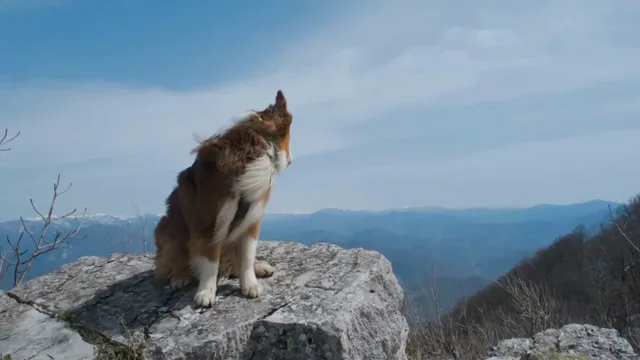

Are Dogs Allowed on Backcountry Trails in National Parks?
Dogs are not allowed on backcountry trails in most national parks. The NPS prohibits dogs from backcountry zones to prevent disturbance to wildlife species, including black bears, elk, and ground-nesting birds. Shenandoah National Park is one exception, permitting dogs on the Appalachian Trail through the park’s backcountry with proper waste management.
What Gear Does a Dog Need for National Park Hiking?
A dog needs 6 essential pieces of gear for national park hiking. NPS terrain varies across parks and includes granite, sandstone, coastal sand, and temperate forest paths, each requiring specific protective equipment.
- 6-foot fixed leash — NPS regulations prohibit retractable leashes; a fixed 6-foot leash is required at all times
- Harness with ID tag — Provides control on technical terrain and ensures identification if the dog becomes separated
- Collapsible water bowl — Enables hydration stops every 20 to 30 minutes on trail
- Dog booties — Protect paws on hot sandstone surfaces in parks such as Great Sand Dunes, where ground temperatures exceed 150°F (65°C) in summer
- Waste bags — Biodegradable bags are required; most parks do not provide complimentary waste bags at trailheads
- Cooling vest — Recommended for parks in desert or high-humidity climates, including Great Sand Dunes and Cape Hatteras
What Should You Pack for a Dog in a National Park?
Pack water, food, a canine first aid kit, and waste bags for every national park visit with a dog. A dog requires 1 oz of water per pound of body weight per day. Increase this by 25% during summer hikes or in parks at elevations above 5,000 feet, where dehydration accelerates.
Packing checklist:
- Fresh water — minimum 1 oz per pound of body weight per day
- Measured food portions or high-protein trail snacks
- Canine first aid kit — includes bandages, antiseptic spray, and tick removal tool
- Biodegradable waste bags — minimum 2 per mile of planned trail
- Current vaccination records — required at some park campgrounds
What Are the Rules for Dogs at National Park Campgrounds?
Dogs are permitted at most national park campgrounds when kept on a 6-foot leash and attended at all times. The NPS prohibits dogs from being left unattended at campsites, including when tied to trees, posts, or vehicle bumpers. 3 campground-specific rules apply across all NPS campgrounds:
- Dogs must be leashed at all times within campground boundaries
- Dogs left unattended in tents or vehicles are subject to citation
- Excessive barking that disturbs other campers violates NPS quiet hours, enforced between 10 PM and 6 AM
What Happens If You Break National Park Dog Rules?
Breaking national park dog rules results in fines issued by NPS rangers. Fines begin at $175 for leash violations and increase to $5,000 for incidents involving wildlife harassment by an unleashed dog. The NPS Investigative Services Branch tracks repeat violations. A dog that injures wildlife or another visitor faces permanent removal from the park.
What Are the Least Dog Friendly National Parks in the USA?
The least dog friendly national parks in the USA are Yellowstone, Zion, and Grand Canyon. These parks restrict dogs almost entirely to paved roads and parking areas, with no access to natural surface trails.
|
National Park |
State |
Dog Trail Access |
Primary Restriction |
|---|---|---|---|
|
Yellowstone National Park |
Wyoming/Montana |
Paved roads only |
Wildlife protection zones cover 99% of trails |
|
Zion National Park |
Utah |
Paved Riverwalk only |
Canyon trails restricted to protect condor habitat |
|
Grand Canyon National Park |
Arizona |
South Rim paved path only |
North and South Rim trails fully restricted |
|
Olympic National Park |
Washington |
Paved roads only |
Temperate rainforest ecosystem protection |
Why Are Some National Parks Restrictive for Dogs?
Some national parks restrict dogs to protect endangered and sensitive wildlife species. The NPS cites 3 primary reasons for dog restrictions in conservation-priority parks:
- Dogs carry human-transmissible diseases that affect native wildlife populations
- Dog scent triggers stress responses in wildlife species, including bighorn sheep, pronghorn, and shorebirds
- Unleashed dogs have caused documented harassment of endangered California condors in Zion and Grand Canyon
How Do You Find Dog Friendly Trails in National Parks?
Find dog friendly trails in national parks by using the NPS official website at nps.gov, which lists pet policies for all 63 parks. Each park page includes a “Pets” section with specific trail names, seasonal access rules, and campground pet policies. The NPS mobile app also provides downloadable trail maps with pet-access filters for offline use in low-signal park areas.
3 reliable sources for dog friendly national park trail information:
- nps.gov/findapark — Official pet policy pages for all 63 parks
- Recreation.gov — Lists pet-friendly campsite bookings within national parks
- AllTrails.com — User-verified dog-friendly trail filters with current access conditions
Verify pet policies directly with each park’s visitor center before arrival, as seasonal restrictions, such as wildlife nesting periods and fire closures, alter dog access rules throughout the year.
Related guides
- Dog Hiking Japan: Trails, Regulations, Breeds, and Seasonal Rules Across 4 Regions
- Dog Hiking Scotland: 8 Best Trails, Access Laws, and Safety Rules

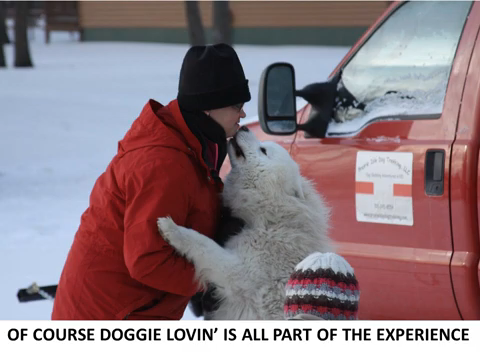
Helen L. Corlew runs a team of Samoyeds, Alaskan malamutes and Alaskan huskies. I am a Tellington TTouch practitioner and use this mode of work with training and living with my dogs.
Helen Corlew founded Prairie Isle Dog Trekking in Petersburg, North Dakota in 2010, and has spent the fifteen years since doing something most people only read about: teaching real dog sledding on real prairie terrain, at the edge of a landscape that doesn’t apologize for being difficult.
She is not a weekend enthusiast. She harnesses working dogs in January cold, trains handlers who have never touched a sled, and has built one of the only hands-on mushing education programs on the Northern Great Plains — from a single address on Highway 2, with no marketing budget and no shortcuts.
Her writing on Prairie Isle Dog Trekking reflects the same philosophy. Whether she is covering trail safety across the Rockies, breed behavior in extreme conditions, or what it actually takes to trek with a dog in the Alps, Helen writes from the position of someone who has done the work before writing the sentence.
She lives and runs dogs in Nelson County, North Dakota.
Kindly follow me on Social Media!


