


Dog trekking in South Africa refers to multi-hour or multi-day hiking with dogs across natural terrain. South Africa has 5 primary dog-trekking regions: the Western Cape, Gauteng, KwaZulu-Natal, the Eastern Cape, and Limpopo. Each region has distinct trail conditions, wildlife risks, and leash regulations.
What Is Dog Trekking in South Africa?
Dog trekking in South Africa is the practice of hiking with a dog across nature reserves, forest trails, and mountain paths under managed conditions. It differs from casual walking in that routes typically exceed 5 km and involve elevation change, terrain variation, or overnight stays. For the previous guide in this series, see Dog Hiking Trails New Zealand: 10 Best Trails, Rules, and Essential Preparation Guide.
South Africa covers 1.22 million km² and contains over 20 national parks. Most SANParks properties prohibit dogs due to wildlife and predator presence. Dog trekking is primarily accessible through private nature reserves, municipal parks, and forestry trails.
Which Provinces Allow Dog Trekking in South Africa?
5 provinces in South Africa have accessible dog-trekking routes: the Western Cape, Gauteng, KwaZulu-Natal, the Eastern Cape, and Limpopo.
|
Province |
Primary Dog-Trekking Areas |
Dogs Permitted |
|---|---|---|
|
Western Cape |
Silvermine, Tokai, Kalk Bay |
Yes, on leash |
|
Gauteng |
Walter Sisulu NBG, Hennops |
Yes, on leash |
|
KwaZulu-Natal |
Midlands Meander, Karkloof |
Yes, on leash |
|
Eastern Cape |
Hogsback, Baviaanskloof farms |
Yes, on leash |
|
Limpopo |
Magoebaskloof, Waterberg |
Yes, on leash |
Note that SANParks reserves — including Kruger, Addo Elephant, and Table Mountain National Park trail sections — do not permit dogs on hiking paths.
Which Dog Trekking Trails Are in the Western Cape?
The Western Cape has 4 established dog-trekking trails, including Silvermine Nature Reserve in Cape Town and the Tokai Arboretum trail.
The Western Cape is South Africa’s most dog-friendly hiking province. It offers coastal fynbos terrain, mountain paths, and forested trails. Average temperatures range from 8°C in winter to 28°C in summer.
Top Western Cape Dog Trekking Trails
- Silvermine Nature Reserve — Cape Town — 12+ km of trails (leash required)
- Tokai Arboretum Trail — Cape Town — 7 km (leash required)
- Kalk Bay Mountain Trail — Kalk Bay — 8 km (leash required)
- Betty’s Bay Trails — Overberg — 6 km (leash required)
Silvermine Nature Reserve covers 2,250 hectares and offers panoramic views of False Bay. Dogs are permitted on all trails with a leash. The Tokai Arboretum trail runs through a pine plantation and is one of the most popular dog-walking routes in Cape Town.
Note that the Cape Point section of Table Mountain National Park does not allow dogs. Always verify current access rules on CapeNature’s official website before visiting.
Which Dog Trekking Trails Are in Gauteng?
Gauteng has 3 accessible dog-trekking trails, including Walter Sisulu National Botanical Garden in Roodepoort and Hennops Hiking Trail in Centurion.
Gauteng sits on the Highveld plateau at 1,700 metres above sea level. Trails in this province are generally moderate in difficulty. Summer thunderstorms occur frequently from October to February.
Top Gauteng Dog Trekking Trails
|
Trail |
Location |
Length |
Difficulty |
|---|---|---|---|
|
Walter Sisulu NBG |
Roodepoort |
3.5 km |
Easy |
|
Hennops Hiking Trail |
Centurion |
14 km |
Moderate |
|
Suikerbosrand Trail |
Heidelberg |
10 km |
Moderate |
Hennops Hiking Trail crosses the Hennops River 14 times and passes 4 waterfalls. It is one of the longest dog-accessible day hikes near Johannesburg. Dogs must remain on a leash throughout.
Walter Sisulu National Botanical Garden covers 300 hectares and hosts a breeding pair of Verreaux’s Eagles. Dogs on leash are welcome on all marked garden paths.
Which Dog Trekking Trails Are in KwaZulu-Natal?
KwaZulu-Natal has 3 dog-trekking routes, primarily in the Midlands Meander region and on private nature reserves.
The uKhahlamba Drakensberg Park is a UNESCO World Heritage Site. It does not permit dogs on official trails. Dog trekking in KwaZulu-Natal is accessible through the Midlands region and private lodges.
Top KwaZulu-Natal Dog Trekking Routes
- Midlands Meander Farm Trails — KZN Midlands — 5–15 km (private farm access)
- Karkloof Nature Reserve — Howick — 8 km (leash required)
- Ferncliffe Nature Reserve — Pietermaritzburg — 6 km (leash required)
Karkloof Nature Reserve covers 3,523 hectares and is home to blue duiker, bushbuck, and samango monkeys. Dogs must remain leashed at all times to protect ground-nesting bird species.
Which Dog Trekking Trails Are in the Eastern Cape?
The Eastern Cape has 2 established dog-trekking areas: the Hogsback mountain village and private farm trails in the Baviaanskloof region.
Hogsback sits at 1,300 metres above sea level in the Amatole Mountains. The village has 12+ km of interconnected forest trails. Dogs are permitted on all community trails on a leash.
Top Eastern Cape Dog Trekking Trails
|
Trail |
Location |
Length |
Terrain |
|---|---|---|---|
|
Hogsback Forest Trails |
Amatole Mountains |
12 km |
Indigenous forest, moderate |
|
Baviaanskloof Private Trails |
Eastern Cape Karoo |
Variable |
Semi-arid, challenging |
Note that Addo Elephant National Park does not permit dogs on any trails. Dog trekking in the Eastern Cape is restricted to private and community-managed land.
Which Dog Trekking Trails Are in Limpopo?
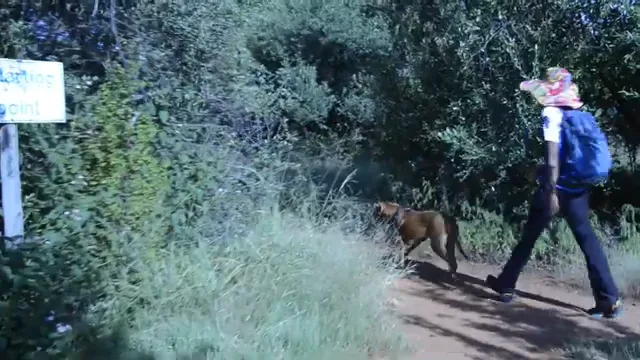

Limpopo has 2 dog-trekking regions: Magoebaskloof in the Tzaneen area and private bush lodges in the Waterberg.
Magoebaskloof sits in the Drakensberg Escarpment and receives 1,800 mm of rainfall annually. It contains indigenous forests, tea plantations, and waterfalls. Several private lodges and forestry trails permit dogs on leash.
Top Limpopo Dog Trekking Routes
- Magoebaskloof Hiking Trail — Tzaneen — 46 km total (3-day trail; dog access varies per section)
- Waterberg Private Reserve Trails — Bela-Bela — 5–20 km (leash required; predator-free zones only)
Confirm dog access directly with trail operators before booking overnight hikes in Limpopo. Predator populations in some Waterberg zones restrict dog trekking to fenced, predator-free sections.
What Are the Rules for Dog Trekking in South Africa?
7 rules govern dog trekking in South Africa.
- Dogs are prohibited in all SANParks national parks on hiking trails
- Leashes of 2 metres or less are required on all nature reserve trails
- Dog owners must carry waste bags and remove all dog waste from the trail
- Dogs must be vaccinated and carry a valid rabies certificate
- Predator-aware protocols apply in reserves with leopard or caracal presence
- Off-leash access is only permitted in designated off-leash zones
- Written permission is required for dogs on multi-day wilderness trails
South Africa’s National Environmental Management: Biodiversity Act (NEMBA) prohibits domestic animals from disturbing protected wildlife habitats. Violations carry fines under the act.
What Should You Pack for Dog Trekking in South Africa?
Bring 9 essential items for dog trekking in South Africa.
- 1.5 litres of fresh water per dog per 3 hours of hiking
- Collapsible water bowl
- Dog-specific first aid kit, including antiseptic and tick remover
- Tick and flea prevention treatment (applied 48 hours before the hike)
- Waste bags (minimum 5 per outing)
- 2-metre non-retractable leash
- Current rabies vaccination certificate
- Dog ID tag with a South African contact number
- Paw protection wax for rocky and stony terrain
The South African Veterinary Association recommends tick prevention before every bush or veld hike. Ticks in South Africa transmit biliary fever (babesiosis), a condition that can be fatal in dogs within 48 hours of infection if untreated.
What Are the Best Dog-Friendly Private Reserves in South Africa?
3 private reserves offer dog-inclusive trekking experiences: Gorah Elephant Camp in the Eastern Cape, Bushmans Kloof in the Western Cape, and Karkloof Safari Villas in KwaZulu-Natal.
Gorah Elephant Camp operates in a private concession bordering Addo Elephant National Park. Managed dog trekking is offered under guide supervision within predator-free zones. Bushmans Kloof Wilderness Reserve covers 7,500 hectares of Cederberg fynbos terrain. Karkloof Safari Villas in the KZN Midlands offers guided dog-friendly bush walks in a 3,500-hectare malaria-free reserve.
These 3 reserves maintain predator-free perimeters that make supervised dog trekking possible in wildlife-rich environments.
Related guides
- Dog Friendly National Parks: 7 Best Parks, NPS Rules, and Trail Guide for the USA
- Dog Hiking Japan: Trails, Regulations, Breeds, and Seasonal Rules Across 4 Regions

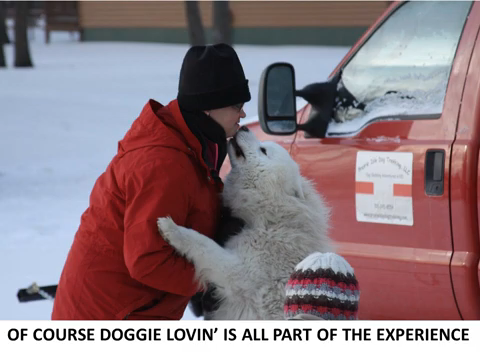
Helen L. Corlew runs a team of Samoyeds, Alaskan malamutes and Alaskan huskies. I am a Tellington TTouch practitioner and use this mode of work with training and living with my dogs.
Helen Corlew founded Prairie Isle Dog Trekking in Petersburg, North Dakota in 2010, and has spent the fifteen years since doing something most people only read about: teaching real dog sledding on real prairie terrain, at the edge of a landscape that doesn’t apologize for being difficult.
She is not a weekend enthusiast. She harnesses working dogs in January cold, trains handlers who have never touched a sled, and has built one of the only hands-on mushing education programs on the Northern Great Plains — from a single address on Highway 2, with no marketing budget and no shortcuts.
Her writing on Prairie Isle Dog Trekking reflects the same philosophy. Whether she is covering trail safety across the Rockies, breed behavior in extreme conditions, or what it actually takes to trek with a dog in the Alps, Helen writes from the position of someone who has done the work before writing the sentence.
She lives and runs dogs in Nelson County, North Dakota.
Kindly follow me on Social Media!


