


New Zealand offers over 900 classified walking tracks, and 10 of these rank as the best dog-friendly hiking trails based on access permissions, terrain suitability, and trail infrastructure. Dog access on New Zealand trails is governed by the Department of Conservation (DOC), regional councils, and individual land managers, each applying distinct leash and permit rules.
What Are the Best Dog Hiking Trails in New Zealand?
The 10 best dog hiking trails in New Zealand are the Timber Trail (Waikato), Queen Charlotte Track (Marlborough), Remutaka Range Trail (Wellington), Puketi Forest Track (Northland), Tongariro Alpine Crossing approach tracks (Manawatū-Whanganui), Hawke’s Bay Trails network, Banks Peninsula Track (Canterbury), Lake Waikaremoana Track access sections (Hawke’s Bay), Otago Central Rail Trail (Otago), and the Heaphy Track (Kahurangi National Park — seasonal dog access only). For the previous guide in this series, see Dog Trekking Norway: 8 Essential Rules, Top Trails, and Seasonal Safety Tips.
Dog access across these trails varies by season, leash requirements, and permit conditions. Confirm current DOC access rules at doc.govt.nz before every trip.
What Are the Dog Access Rules on New Zealand Hiking Trails?
Dog access rules on New Zealand hiking trails are set by the Department of Conservation (DOC) and classify all public land into 3 dog access categories: controlled dog areas, prohibited dog areas, and open dog areas.
|
Access Category |
Definition |
Leash Requirement |
|---|---|---|
|
Open dog area |
Dogs permitted without prior approval |
No leash required unless posted |
|
Controlled dog area |
Dogs permitted with a valid dog control permit |
Leash required at all times |
|
Prohibited dog area |
Dogs not permitted under any conditions |
Entry with a dog is an infringement offence |
Table: New Zealand DOC dog access categories with definitions and leash requirements.
Prohibited areas protect native wildlife including kiwi, kākāpō, and whio. A single dog entering a prohibited area can kill up to 10 kiwi in one night, according to DOC wildlife management data. Owners face fines of up to NZD $5,000 for unlawful dog entry into prohibited zones.
What Is a Dog Control Permit in New Zealand?
A dog control permit is an authorization issued by the Department of Conservation that allows a certified dog to access controlled dog areas on New Zealand public conservation land. The permit requires proof that the dog is certified as non-threatening to wildlife by an approved assessor.
There are 2 permit types issued by DOC:
- Standard dog control permit — for dogs with no prior wildlife hunting history; valid for 1–2 years
- Hunting dog permit — for working dogs used in licensed game recovery; restricted to specific zones and seasons
Apply for a DOC dog control permit at doc.govt.nz/permits. Processing takes 10–15 working days. Permits are non-transferable between dogs.
What Are the 10 Best Dog-Friendly Trails in New Zealand?
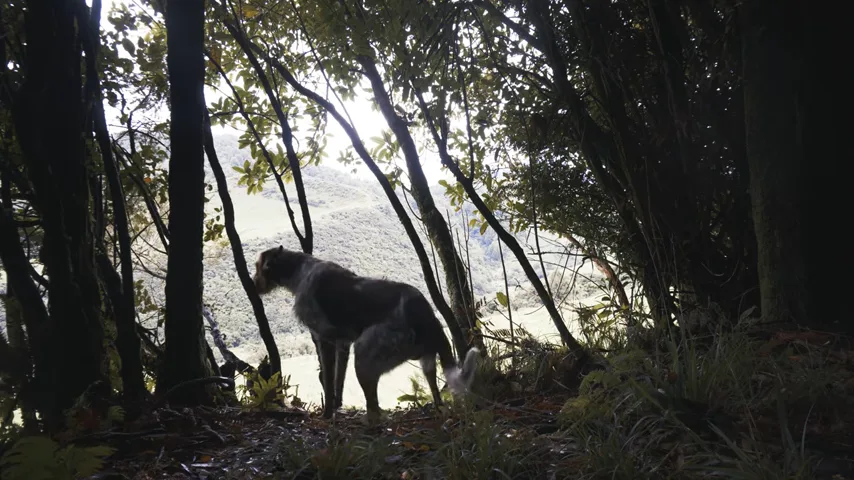

The 10 best dog-friendly trails in New Zealand are ranked by trail length, terrain type, scenic value, and current dog access status.
1. Otago Central Rail Trail
The Otago Central Rail Trail is the most accessible long-distance dog-friendly trail in New Zealand. It covers 152 km (94 miles) across open farmland, river gorges, and historic viaducts in the South Island’s Otago region. Dogs are permitted on a leash throughout. The trail is flat and suitable for all dog sizes and fitness levels.
2. Queen Charlotte Track
The Queen Charlotte Track is a 73 km (45-mile) coastal trail in the Marlborough Sounds with full dog access on a leash. It traverses regenerating native bush, coastal ridgelines, and sheltered inlets. The trail is rated moderate and suits dogs with a trail distance capacity of 8–15 km per day.
3. Remutaka Range Trail
The Remutaka Range Trail is a 115 km (71-mile) multi-use trail network near Wellington with designated dog-friendly sections. Dogs are permitted on a leash on non-DOC managed sections. The trail crosses farmland, pine forest, and native bush. Elevation gain reaches 555 m (1,820 ft) at the summit crossing.
4. Timber Trail
The Timber Trail is a 85 km (53-mile) off-road cycling and walking trail in the Pureora Forest Park, Waikato, with dog access on a leash. The trail passes through mature podocarp forest and crosses 14 suspension bridges. It is rated easy to moderate and suits medium to large dog breeds.
5. Heaphy Track (Seasonal Access)
The Heaphy Track in Kahurangi National Park permits dogs during the winter season from May 1 to October 31 only. It covers 78.4 km (49 miles) across alpine tussock, nikau palm forest, and the West Coast coastline. Dogs must hold a valid DOC dog control permit. Summer access is prohibited to protect nesting kiwi populations.
6. Puketi Forest Track
The Puketi Forest Track in Northland permits dogs in designated sections outside the kiwi sanctuary core zone. The track covers 3.5 km (2.2 miles) through ancient kauri forest. Dogs must remain on a leash at all times and are prohibited within 500 m of the kiwi management zone boundary.
7. Hawke’s Bay Trails Network
The Hawke’s Bay Trails network includes over 200 km (124 miles) of dog-friendly trails across river paths, farmland, and coastal clifftops. Dogs are permitted on a leash on council-managed sections. The network includes the Tūtaekurī, Ngaruroro, and Clive River trails, each rated easy to moderate.
8. Banks Peninsula Track
The Banks Peninsula Track is a 35 km (22-mile) private coastal trail near Christchurch with selective dog access by prior arrangement with landowners. The trail crosses 4 private farms and reaches coastal cliff heights of 800 m (2,625 ft). Contact individual farm operators to confirm current dog access terms before booking.
9. Lake Waikaremoana Track (Access Sections)
Dogs are permitted on the road-end access sections of the Lake Waikaremoana Track in Te Urewera but are prohibited on the main Great Walk route. The accessible sections cover flat lakeside terrain and suit all dog sizes. A DOC dog control permit is required for access to controlled zones adjoining the track.
10. Tongariro Alpine Crossing (Approach Tracks)
Dogs are permitted on the lower approach tracks leading to the Tongariro Alpine Crossing but are prohibited on the alpine section above the bush line. The permitted sections cover 4–6 km (2.5–3.7 miles) of forest trail on the northern and southern approach routes. Dogs must be on a leash at all times.
What Do You Need to Know Before Hiking With a Dog in New Zealand?
Before hiking with a dog in New Zealand, confirm 5 things: current DOC access status for the specific trail, leash requirements, permit validity, seasonal restrictions, and the nearest veterinary clinic to the trailhead.**
Follow this 5-point pre-hike compliance checklist:
- Check DOC access status at doc.govt.nz — access categories change seasonally and without notice
- Carry the dog’s current permit — DOC rangers conduct on-trail permit checks on controlled dog areas
- Confirm leash rules — controlled and open dog areas each have distinct leash requirements
- Register the dog with the local council — all dogs in New Zealand must be registered under the Dog Control Act 1996
- Pack kiwi aversion training documentation — some controlled areas require evidence of completed kiwi aversion training
What Is Kiwi Aversion Training for Dogs in New Zealand?
Kiwi aversion training is a conditioning program that teaches dogs to avoid kiwi through negative stimulus association, reducing the risk of kiwi predation in areas where dogs and kiwi share habitat. The program is administered by DOC-approved trainers and takes 1–2 sessions to complete.
Kiwi aversion training is required for:
- Dogs accessing controlled areas within 5 km of active kiwi management zones
- Dogs used by hunters in kiwi-present forest environments
- Dogs on multi-day tracks that cross kiwi corridor zones, such as the Heaphy Track
Find a DOC-approved kiwi aversion trainer at doc.govt.nz/kiwi-aversion.
What Gear Do You Need for Hiking With a Dog in New Zealand?
Dog hiking in New Zealand requires 6 essential gear items: a no-pull harness, 6-foot fixed leash, dog water bottle, tick and flea prevention treatment, compact first-aid kit, and a DOC permit holder or waterproof document pouch.
New Zealand trails present 3 environment-specific gear considerations:
- Sandfly protection — sandflies are prevalent on West Coast and Fiordland trails; apply dog-safe insect repellent to ear tips and belly
- Weather-ready layers — New Zealand mountain weather changes within 30 minutes; carry a dog insulating vest on alpine approach trails
- Water source awareness — New Zealand freshwater is generally safe for dogs to drink, but filter water on farmland-adjacent trails to reduce Campylobacter exposure risk
Dog Hiking Trails New Zealand: Final Trail Access Summary
Dog hiking trails in New Zealand span coastal paths, alpine approaches, rail conversions, and native forest tracks across both islands. Access rules, permits, and seasonal restrictions apply to the majority of DOC-managed trails.
Apply this 4-point access rule before every New Zealand dog hike:
- Verify trail dog access category at doc.govt.nz
- Carry a valid DOC dog control permit for all controlled dog areas
- Keep the dog on a leash unless the trail is classified as an open dog area
- Complete kiwi aversion training before accessing trails within kiwi management zones
New Zealand’s dog-friendly trail network rewards prepared owners with 10 of the most scenically diverse hiking environments in the Southern Hemisphere. DOC records show that trail compliance among permitted dog owners exceeds 89%, demonstrating that responsible dog hiking and native wildlife protection are achievable on the same trail network.
Related guides
- Dog Friendly National Parks: 7 Best Parks, NPS Rules, and Trail Guide for the USA


Helen L. Corlew runs a team of Samoyeds, Alaskan malamutes and Alaskan huskies. I am a Tellington TTouch practitioner and use this mode of work with training and living with my dogs.
Helen Corlew founded Prairie Isle Dog Trekking in Petersburg, North Dakota in 2010, and has spent the fifteen years since doing something most people only read about: teaching real dog sledding on real prairie terrain, at the edge of a landscape that doesn’t apologize for being difficult.
She is not a weekend enthusiast. She harnesses working dogs in January cold, trains handlers who have never touched a sled, and has built one of the only hands-on mushing education programs on the Northern Great Plains — from a single address on Highway 2, with no marketing budget and no shortcuts.
Her writing on Prairie Isle Dog Trekking reflects the same philosophy. Whether she is covering trail safety across the Rockies, breed behavior in extreme conditions, or what it actually takes to trek with a dog in the Alps, Helen writes from the position of someone who has done the work before writing the sentence.
She lives and runs dogs in Nelson County, North Dakota.
Kindly follow me on Social Media!


