

White foam vomit in dogs consists of saliva and gastric juices from the upper digestive tract. It appears most often when a dog has an empty stomach. It can range from a mild, self-resolving episode to a sign of a life-threatening emergency. A single episode in a dog acting normally can be monitored at home for 24 hours. Repeated vomiting, a distended abdomen, or collapse requires immediate veterinary care.
For related reading, see Symptoms of Kidney Disease in Dogs: Early Signs, Anemia, Diet, and Water Intake Guide.
What Is White Foam Vomit in Dogs?
White foam vomit in dogs is a mixture of saliva, mucus, and gastric fluid. It appears as bubbly or frothy white substance brought up from the upper digestive or respiratory tract. Dogs commonly produce white foam after the stomach has already emptied of food, leaving only gastric secretions to come up.
White foam vomit is not always from the stomach. In some cases, dogs cough up white foamy material from the respiratory tract, particularly with kennel cough. This can appear identical to vomited white foam but has a different cause and treatment.
Is Dog Vomiting White Foam the Same as Dry Heaving or Retching?
Dry heaving and vomiting are not the same. Dry heaving occurs when a dog retches repeatedly but produces little or no vomit. A dog producing only small amounts of white foam while retching with a visibly distended abdomen is a sign of bloat (Gastric Dilatation-Volvulus or GDV), which is a life-threatening emergency.
Regurgitation also differs from vomiting. Regurgitation involves no nausea. Food comes up passively in a tube shape without abdominal effort. Vomiting is preceded by nausea signs such as drooling, lip-licking, and loss of appetite.
What Are the 10 Causes of White Foam Vomit in Dogs?
There are 10 established causes of white foam vomit in dogs. These range from mild stomach upset to life-threatening conditions.
| Cause | Severity | Key Signs |
|---|---|---|
| Bilious Vomiting Syndrome | Mild | Morning or evening vomit on empty stomach |
| Indigestion / Dietary Indiscretion | Mild | Ate garbage, grass, or new food |
| Acid Reflux | Mild to moderate | Recurring vomit after meals |
| Kennel Cough / Respiratory Illness | Mild to moderate | Hacking cough precedes foam |
| Toxin Ingestion | Moderate to severe | Tremors, seizures, collapse |
| Pancreatitis | Moderate to severe | Abdominal pain, loss of appetite |
| Intestinal Parasites or Blockage | Moderate to severe | Lethargy, loss of appetite, diarrhea |
| Kidney or Liver Disease | Severe | Increased thirst, urination, weight loss |
| Parvovirus | Severe | Bloody diarrhea, lethargy, rapid deterioration |
| Bloat (GDV) | Life-threatening emergency | Distended abdomen, unproductive retching |
What Is Bilious Vomiting Syndrome in Dogs?
Bilious Vomiting Syndrome (BVS) is the most common mild cause of white foam vomit in dogs. It occurs when bile leaks backward from the small intestine into the stomach during extended fasting periods. The bile irritates the stomach lining, causing the dog to vomit white or yellow-tinged foam.
BVS vomiting most commonly occurs early in the morning before breakfast or late at night. Dogs with BVS are otherwise healthy and act normally between episodes. Feeding smaller, more frequent meals throughout the day reduces the frequency of BVS episodes.
Can Kennel Cough Cause White Foam?
Kennel cough (canine infectious respiratory disease complex) causes a harsh hacking cough that frequently results in a dog bringing up white foamy material. This is not vomiting. It is the expulsion of respiratory secretions. Many owners mistake this for vomiting white foam.
Brachycephalic breeds such as Bulldogs and Pugs can produce white foam from airway syndrome rather than stomach illness. Internal parasites including roundworms, heartworms, and lungworms can also cause coughing that produces white foam.
Does Pancreatitis Cause White Foam Vomiting in Dogs?
Pancreatitis is inflammation of the pancreas and is a common cause of white foam vomiting in dogs. It is most often triggered by eating fatty foods such as turkey skin or bacon grease. The digestive enzymes released by the inflamed pancreas irritate the stomach and intestinal lining, resulting in vomiting, abdominal pain, and loss of appetite. The vomit is often foamy and either white or yellow.
Pancreatitis requires veterinary care. Treatment may include fluid therapy, anti-nausea medication, pain relief, and a low-fat diet.
Does Bloat (GDV) Cause White Foam Vomiting?
Gastric Dilatation-Volvulus (GDV), also called bloat, causes white foam vomiting and is a life-threatening emergency. GDV occurs when the stomach fills with gas, liquid, or food and twists on its axis, blocking blood flow and preventing food from passing through. Dogs with GDV typically retch unproductively with only small amounts of white foam coming up.
GDV is more common in deep-chested breeds. Examples include Great Danes, German Shepherds, Dobermans, and Standard Poodles. A distended abdomen combined with unproductive retching requires immediate surgical intervention. GDV is rapidly fatal without treatment.
Does Parvovirus Cause White Foam Vomiting?
Parvovirus is a severe viral infection that affects rapidly dividing gastrointestinal cells. It primarily affects unvaccinated puppies and young dogs. Early signs include vomiting white foam, loss of appetite, and lethargy. As parvovirus progresses, affected dogs develop bloody diarrhea and become severely dehydrated.
Parvovirus is highly fatal in puppies when left untreated. It should always be considered in unvaccinated dogs or puppies under 6 months of age that are vomiting white foam. Immediate veterinary care is required.
When Is Dog Vomiting White Foam a Veterinary Emergency?
Dog vomiting white foam requires immediate emergency veterinary care when any of the following are present:

- Vomiting 3 or more times within 24 hours
- Distended or swollen abdomen
- Unproductive retching or dry heaving with nothing coming up
- Weakness, collapse, or pale gums
- Blood in the vomit
- Bloody diarrhea alongside vomiting
- Tremors or seizures (indicates toxin ingestion)
- The dog is a puppy under 6 months old
- The dog cannot keep water down
- Suspected ingestion of a toxin, medication, or poisonous plant
A distended abdomen with dry heaving is the most critical combination. It indicates GDV, which requires emergency surgery within hours to prevent death.
When Can a Dog Vomiting White Foam Be Monitored at Home?
A single episode of white foam vomit in a dog that is otherwise acting normally can be monitored at home for 24 hours. Home monitoring is appropriate when all of the following are true:
- The dog vomited only once or twice
- The dog is alert, active, and shows interest in surroundings
- The dog is able to drink and keep water down
- No additional symptoms are present (no diarrhea, no lethargy, no swollen abdomen)
- The dog is not a puppy and is fully vaccinated
During home monitoring, remove food for 12 to 24 hours while continuing to provide access to water. When the dog is ready to eat again, reintroduce food gradually starting with small amounts of bland food. Boiled chicken and plain white rice are commonly recommended as a gentle reintroduction. Contact a veterinarian if vomiting continues beyond 24 hours or if new symptoms develop.
Why Is My Dog Vomiting White Foam but Acting Normal?
A dog vomiting white foam but acting normally is most likely experiencing Bilious Vomiting Syndrome, mild indigestion, or the tail-end of a larger vomiting episode after the stomach has already emptied.
These 3 scenarios most commonly explain white foam vomit with normal behavior:
- Bilious Vomiting Syndrome: the dog vomited on an empty stomach early in the morning or late at night. The dog is otherwise well, eating normally, and active.
- Dietary indiscretion: the dog ate grass, garbage, or something unusual. The stomach expelled the contents and then produced foam once empty.
- Post-vomit foam: the dog vomited food earlier and is now producing only white foam as the stomach continues to contract on an empty stomach.
Vomiting is not normal even when a dog acts normal between episodes. A dog that vomits white foam regularly (weekly or monthly) should be evaluated by a veterinarian to identify the underlying cause.
Why Is My Dog Dry Heaving but Acting Normal?
A dog dry heaving but acting normally with no distended abdomen and no other symptoms may have a mild stomach irritation or an early bilious episode. Monitor the dog closely for the next few hours.
If the dry heaving continues without producing vomit and the abdomen becomes visibly swollen or hard, treat this as a GDV emergency and go to the nearest veterinary clinic immediately. Do not wait to see if it resolves. GDV can become fatal within hours.

What Causes Dog Vomiting White Foam and Diarrhea Together?
Vomiting white foam and diarrhea occurring together are more serious than either symptom alone. The combination points toward 4 main conditions:
- Acute Hemorrhagic Diarrhea Syndrome (AHDS): also called hemorrhagic gastroenteritis (HGE). Signs include profuse diarrhea (often bloody) and vomiting white foam. Without treatment, AHDS causes severe dehydration rapidly. The exact cause is unknown but may involve stress, dietary changes, or Clostridium bacteria.
- Parvovirus: vomiting begins first, then progresses to bloody diarrhea with rapid deterioration.
- Intestinal parasites: roundworms and other internal parasites cause both vomiting and diarrhea, particularly in younger dogs.
- Toxin ingestion: many toxins cause both symptoms simultaneously.
Any dog with vomiting and diarrhea that is also lethargic, refusing food, or showing blood in the stool should be seen by a veterinarian the same day.
Why Is My Dog Foaming at the Mouth?
Foaming at the mouth in dogs is white foam that appears around the lips and muzzle rather than being expelled from the mouth by vomiting. It consists of saliva mixed with air or mucus. It has 5 common causes:
- Nausea and impending vomiting: foaming is a pre-vomiting sign often accompanied by drooling and lip-licking.
- Stress or anxiety: excessive salivation from fear, car sickness, or a stressful event produces foam around the mouth.
- Toxin ingestion: some toxins cause excessive salivation and foaming. This may be accompanied by tremors or seizures.
- Seizures: foaming at the mouth during or after a seizure is a neurological sign requiring immediate vet evaluation.
- Respiratory illness: kennel cough and other respiratory conditions can produce foamy secretions that appear at the mouth.
Foaming at the mouth during or after a suspected seizure, combined with tremors, collapse, or loss of consciousness, requires emergency veterinary attention.
What Will a Vet Do for a Dog Vomiting White Foam?
A veterinarian diagnoses the cause of white foam vomiting through a physical examination and one or more of the following tests:
- Blood work: checks kidney function, liver function, blood sugar levels, and signs of infection or inflammation
- Urinalysis: assesses kidney health and detects infection
- Fecal examination: identifies intestinal parasites
- X-rays: detects foreign body obstruction, bloat, or abnormal abdominal structures
- Abdominal ultrasound: evaluates the pancreas, liver, kidneys, and intestines
- Endoscopy: examines the stomach lining directly with a camera if no cause is found through standard testing
Treatment depends on the underlying cause. Options include:
- Fluid therapy for dehydration
- Anti-nausea and anti-inflammatory medications for mild gastritis or pancreatitis
- Antibiotics for bacterial infections
- Antiparasitics for intestinal parasites
- Surgery for GDV, intestinal blockage, or cancer
- Supportive care and isolation for parvovirus
- Diet change for BVS, acid reflux, or pancreatitis management
How Can White Foam Vomiting in Dogs Be Prevented?
White foam vomiting from the most common causes can be reduced through 5 preventive measures:
- Keep vaccinations current, especially parvovirus and distemper, which cause severe gastrointestinal symptoms.
- Feed smaller, more frequent meals throughout the day to prevent Bilious Vomiting Syndrome.
- Keep household toxins, medications, cleaning products, and poisonous plants out of reach of dogs.
- Avoid feeding dogs fatty foods such as turkey skin, bacon grease, or table scraps, which trigger pancreatitis.
- Carry out regular deworming as recommended by a veterinarian to prevent intestinal parasite infections.
Not all causes of white foam vomiting are preventable. Bloat, kidney disease, and cancer can occur regardless of preventive care. Annual veterinary check-ups with blood work allow early detection of conditions that may lead to vomiting before they become severe.
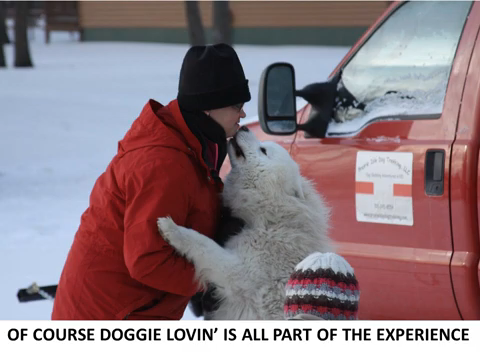
Helen L. Corlew runs a team of Samoyeds, Alaskan malamutes and Alaskan huskies. I am a Tellington TTouch practitioner and use this mode of work with training and living with my dogs.
Helen Corlew founded Prairie Isle Dog Trekking in Petersburg, North Dakota in 2010, and has spent the fifteen years since doing something most people only read about: teaching real dog sledding on real prairie terrain, at the edge of a landscape that doesn’t apologize for being difficult.
She is not a weekend enthusiast. She harnesses working dogs in January cold, trains handlers who have never touched a sled, and has built one of the only hands-on mushing education programs on the Northern Great Plains — from a single address on Highway 2, with no marketing budget and no shortcuts.
Her writing on Prairie Isle Dog Trekking reflects the same philosophy. Whether she is covering trail safety across the Rockies, breed behavior in extreme conditions, or what it actually takes to trek with a dog in the Alps, Helen writes from the position of someone who has done the work before writing the sentence.
She lives and runs dogs in Nelson County, North Dakota.
Kindly follow me on Social Media!
