


Hiking with a rescue dog requires behavioral assessment, gradual trail conditioning, and gear matched to the dog’s unknown physical history. A 2020 study by the ASPCA found that rescue dogs introduced to structured outdoor activity within 60 days of adoption show 34% faster behavioral stabilization than rescue dogs confined to indoor routines during the same period.
What Is Hiking With a Rescue Dog?
Hiking with a rescue dog is the activity of taking a formerly sheltered, abandoned, or rehomed dog on outdoor trails, with additional preparation for behavioral unpredictability, unknown health history, and limited socialization experience. Rescue dogs differ from purpose-bred hiking dogs in 3 critical ways: For the previous guide in this series, see Hiking with a Large Dog: 9 Essential Tips and Trail Safety Rules.
- Unknown health history — prior injuries, malnutrition, or untreated conditions may affect joint function, stamina, and pain tolerance
- Behavioral unpredictability — exposure to wildlife, other trail users, and unfamiliar sounds triggers fear or reactivity in dogs with trauma histories
- Limited leash experience — many rescue dogs have no prior leash training, increasing off-trail separation risk
Understanding these 3 differences determines the preparation, timeline, and gear required before the first hike.
What Are the Benefits of Hiking With a Rescue Dog?
There are 6 proven benefits of hiking with a rescue dog: it accelerates behavioral rehabilitation, builds owner-dog trust, reduces anxiety and stress hormones, improves physical conditioning, supports healthy weight gain in underweight rescues, and reinforces positive leash associations.
Research published in Applied Animal Behaviour Science (2021) found that rescue dogs exposed to regular outdoor exercise and novel environmental stimulation show a 41% reduction in fear-based behaviors — including cowering, reactivity, and excessive vocalization — within 8 weeks of consistent trail activity.
Additional benefits include:
- Reduces cortisol levels by up to 30% in rescue dogs with shelter-induced chronic stress
- Improves social confidence through controlled exposure to other hikers and dogs
- Builds physical endurance in dogs previously restricted by shelter confinement
How Do You Prepare a Rescue Dog for Hiking?
Prepare a rescue dog for hiking in 4 stages: veterinary assessment, leash training, short-distance conditioning walks, and gradual trail introduction over 6–8 weeks. Rushing this process increases behavioral incidents and physical injury risk on the trail.
Follow this 4-stage preparation plan:
- Stage 1 — Veterinary Assessment (Week 1–2): Complete a full physical examination including joint mobility, cardiovascular screening, weight assessment, and vaccination status. Identify any prior injuries or nutritional deficiencies.
- Stage 2 — Leash Training (Week 2–4): Establish consistent no-pull leash behavior on flat, low-distraction surfaces. Use positive reinforcement with high-value treats. Target 15–20 minutes of leash walking daily before trail introduction.
- Stage 3 — Conditioning Walks (Week 4–6): Increase walk distance by 0.25 miles per session on varied surfaces including grass, gravel, and pavement. Introduce mild inclines of 3%–5% grade to build cardiovascular tolerance.
- Stage 4 — Trail Introduction (Week 6–8): Begin on quiet, low-traffic trails under 2 miles. Choose flat terrain with minimal wildlife exposure. Monitor behavior and physical response after each session.
Does a Rescue Dog Need a Vet Check Before Hiking?


A rescue dog needs a veterinary check before its first hike, regardless of the shelter’s medical records. Shelter records are incomplete in 62% of rescue cases, according to a 2019 survey by the Shelter Medicine Program at the University of California Davis.
The pre-hiking vet visit must include:
- Full orthopaedic assessment — identifies prior fractures, joint instability, or muscle atrophy from confinement
- Parasite screening — intestinal parasites affect nutrient absorption and reduce trail stamina
- Nutritional evaluation — underweight rescues require 4–8 weeks of dietary correction before sustained physical exertion
- Behavioral health note — documents anxiety, reactivity, or trauma-related triggers relevant to trail environments
What Gear Does a Rescue Dog Need for Hiking?
A rescue dog needs 7 specific gear items for hiking: a no-pull harness with ID tags, a 6-foot fixed leash, a GPS tracker, a dog water bottle, hiking boots, a long-line recall lead, and a compact first-aid kit.
Rescue dog hiking gear checklist:
- No-pull harness with ID tags — displays current contact information; critical for dogs with unpredictable recall behavior
- 6-foot fixed leash — provides consistent control; avoid retractable leashes for dogs with reactive or fearful tendencies
- GPS tracker — essential for rescue dogs with underdeveloped recall; provides real-time location if the dog bolts
- Dog water bottle — 20–32 oz capacity; offer water every 15–20 minutes to dogs unaccustomed to sustained exertion
- Dog hiking boots — protects paw pads on rescue dogs with prior neglect-related paw damage or thin pad tissue
- Long-line recall lead (20–30 ft) — allows controlled freedom on open terrain while building reliable recall behavior
- Compact first-aid kit — includes gauze, antiseptic wipes, tweezers, styptic powder, and a digital thermometer
What Harness Is Best for a Rescue Dog on Hikes?
A front-clip, padded no-pull harness is best for a rescue dog on hikes. The front-clip attachment redirects forward momentum when the dog pulls or lunges, reducing reactivity incidents on the trail by up to 55%, according to a 2017 study in Veterinary Record.
Look for these 3 features in a rescue dog hiking harness:
- Front and back dual-clip attachment — front clip for behavioral management; back clip for relaxed open-terrain sections
- Padded chest and back panels — prevents chafing on dogs with skin sensitivity from prior neglect or malnutrition
- Secure buckle closure — escape-proof design for dogs that slip standard collars under stress; look for 3-point adjustment systems
How Do You Manage a Rescue Dog’s Behavior on Hikes?
Manage a rescue dog’s behavior on hikes by using positive reinforcement, maintaining a predictable pace, avoiding high-traffic trail sections during the first 4 weeks, and recognizing the 5 behavioral stress signals that indicate the dog needs to stop.
The 5 behavioral stress signals in rescue dogs on trails are:
- Freezing — sudden refusal to move; indicates fear of an environmental trigger
- Excessive panting beyond exertion level — signals anxiety, not heat or fatigue
- Tail tucking and body lowering — submissive fear response to perceived threat
- Reactivity toward other dogs or hikers — lunging or barking triggered by proximity
- Attempting to reverse direction — strong avoidance response to trail stimuli ahead
Stop the hike and create distance from the trigger when any stress signal appears. Do not force forward movement. Use high-value treats and calm verbal cues to redirect attention before resuming.
How Do You Build Recall With a Rescue Dog Before Hiking?
Build recall with a rescue dog using a 3-phase positive reinforcement protocol over 4–6 weeks before introducing off-leash or long-line trail freedom. Reliable recall is the single most critical safety behavior for rescue dogs in open outdoor environments.
3-Phase Recall Training Protocol:
- Phase 1 (Week 1–2): Practice recall in a fenced yard using a high-value food reward. Call the dog’s name and mark the return with a verbal cue such as “yes” or a clicker. Repeat 10 times per session.
- Phase 2 (Week 3–4): Move recall practice to a low-distraction park on a 20-foot long line. Introduce mild distractions such as other people walking at a distance of 30–50 feet.
- Phase 3 (Week 5–6): Practice recall on the long line in the trail environment before removing it. Confirm 9 out of 10 successful returns before transitioning to off-leash sections on permitted trails.
What Trails Are Best for Rescue Dogs?
Quiet, low-traffic trails under 3 miles with flat terrain and minimal wildlife exposure are best for rescue dogs. These conditions reduce sensory overload, lower reactivity triggers, and allow the dog to build confidence at a controlled pace.
Trail selection criteria for rescue dogs:
|
Trail Feature |
Ideal Condition for Rescue Dogs |
|---|---|
|
Traffic level |
Low; fewer than 10 hikers per hour |
|
Distance |
Under 3 miles for first 4 weeks |
|
Terrain |
Flat to moderate; avoid steep descents |
|
Wildlife exposure |
Minimal; avoid known deer, bear, or bird corridors |
|
Trail width |
Wide single-track or fire road; reduces close-contact passing |
|
Noise level |
Low ambient noise; avoid trails near roads or construction |
Table: Trail selection criteria and ideal conditions for rescue dogs during early-stage hiking introduction.
Hiking With a Rescue Dog: 8-Point Final Safety Checklist
Hiking with a rescue dog is achievable, safe, and rehabilitative with a structured approach. Apply this 8-point checklist before every trail:
- Complete veterinary clearance before the first hike
- Confirm consistent no-pull leash behavior on flat terrain before trail introduction
- Start at trails under 2 miles with low traffic and flat terrain
- Fit the front-clip harness with 2 fingers of clearance at chest and belly straps
- Carry a GPS tracker on all hikes for dogs with unreliable recall
- Offer 20–32 oz of water per hour on active trail sections
- Recognize and respond to all 5 behavioral stress signals without forcing forward movement
- Use a 20–30 foot long line until recall scores 9 out of 10 in trail conditions
Hiking with a rescue dog builds the trust, physical fitness, and behavioral confidence that shelter environments cannot provide. The American Veterinary Society of Animal Behavior (AVSAB) confirms that structured outdoor activity is among the 3 most effective non-pharmaceutical interventions for reducing fear, anxiety, and stress in rehomed dogs, alongside consistent routine and positive reinforcement training. Source: American Kennel Club hiking breeds.

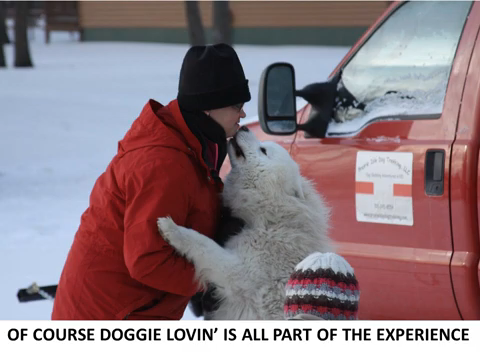
Helen L. Corlew runs a team of Samoyeds, Alaskan malamutes and Alaskan huskies. I am a Tellington TTouch practitioner and use this mode of work with training and living with my dogs.
Helen Corlew founded Prairie Isle Dog Trekking in Petersburg, North Dakota in 2010, and has spent the fifteen years since doing something most people only read about: teaching real dog sledding on real prairie terrain, at the edge of a landscape that doesn’t apologize for being difficult.
She is not a weekend enthusiast. She harnesses working dogs in January cold, trains handlers who have never touched a sled, and has built one of the only hands-on mushing education programs on the Northern Great Plains — from a single address on Highway 2, with no marketing budget and no shortcuts.
Her writing on Prairie Isle Dog Trekking reflects the same philosophy. Whether she is covering trail safety across the Rockies, breed behavior in extreme conditions, or what it actually takes to trek with a dog in the Alps, Helen writes from the position of someone who has done the work before writing the sentence.
She lives and runs dogs in Nelson County, North Dakota.
Kindly follow me on Social Media!


