
The booking request came in on a Tuesday in February. Couple from Columbus, Ohio. They wanted a “romantic winter dog sledding experience” and could I do something with candles. That was the exact word. Candles.
I wrote back and told them what we actually do here, which is harness a team in the dark at six in the morning and run them across open prairie where the wind has nothing to stop it and the temperature had been sitting at minus twelve for four days running. I told them it was physical and loud and it smelled like dogs and effort and frozen nylon and it would be the best thing they’d done in years, probably, but I couldn’t promise it would be romantic the way they meant the word.
They booked it anyway. They were good. He panicked a little on the runners the first time the team surged but she was laughing before he was, and by the end they were both covered in dog and neither of them cared. I don’t know if that’s romantic. It’s something.
I’ve been watching the Appalachian Trail get sold to dog owners the way you sell a spa weekend, and the framing has gotten so slick that I barely recognize what’s underneath it. Posts about soulful sunrise moments with your golden retriever. Couples finding deeper connection on the trail. Dogs as props in a story that’s mostly about the humans feeling things.
The trail is 2,190 miles of serious terrain. Dogs on long backcountry trips develop pad injuries, overheating, GI problems from water sources, behavioral issues from sustained stress in close quarters with other animals. None of that is romantic. All of it is real and it will find you if you go in treating the experience as atmosphere.
Here’s the thing about working with dogs in difficult conditions: the dog does not care about your narrative.
Fenwick, my lead dog for six years, pulled through a whiteout on a February morning when I’d made a poor call about timing and we were two miles out and the visibility dropped to nothing and the cold was the serious kind, the kind that works into your collar no matter how you’ve layered, and Fenwick just kept his line tight and his head down and moved because moving was the job. He wasn’t having a moment with me. He was working. I was holding on and trusting his instincts over mine and that is the actual version of what people are trying to describe when they talk about bonding with a dog on a trail.
It’s not soft. It’s not a backdrop for a photograph. It’s the dog doing something it was built to do and you being present enough to get out of its way.

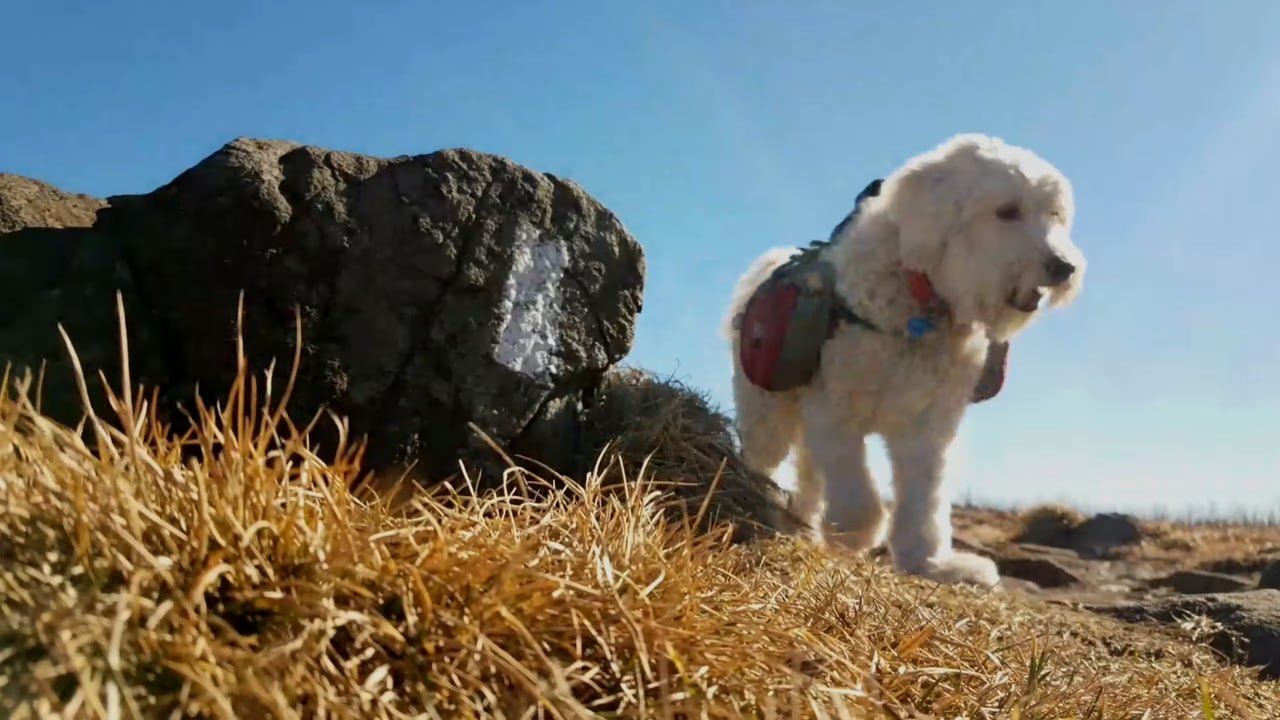
What I see in the Appalachian Trail content is people describing a real thing badly. The bond is real. The way a hard physical day with a dog changes something between you, that’s real. I’ve seen it on flat North Dakota prairie with strangers who came out here not knowing what they were walking into, and I’ve watched it happen in the first mile, that shift where the person stops managing the dog and starts working with it. It’s not nothing. It’s genuinely not nothing.
But when you market it as romance, you send unprepared people into serious situations with animals who need competent handlers, not people who are busy feeling things. The trail doesn’t care about the story you brought with you. A dog with bleeding pads at mile fourteen doesn’t care either.
The couple from Columbus sent me a note six months later. They’d gone back in April, just the two of them, no dogs, and they hiked a section of the C&O Canal trail because he’d wanted to try something longer. But they were thinking about getting a dog, they said. A real working breed. They wanted to know where to start.
I wrote them back a long email. It had nothing romantic in it. It was about time requirements and training and what it actually takes to build a working relationship with an animal that has a job. It was the least glamorous thing I’ve written in years.
They thanked me for it.
A dog on hard terrain with a person who knows what they’re doing is one of the better things there is. That’s true without the candles.

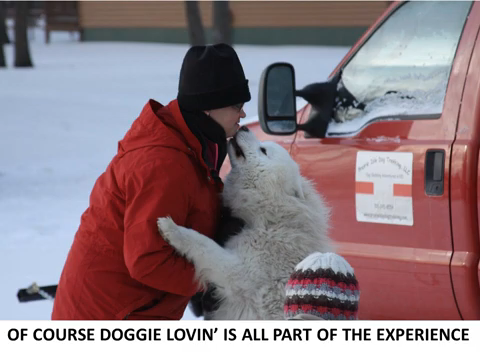
Helen L. Corlew runs a team of Samoyeds, Alaskan malamutes and Alaskan huskies. I am a Tellington TTouch practitioner and use this mode of work with training and living with my dogs.
Helen Corlew founded Prairie Isle Dog Trekking in Petersburg, North Dakota in 2010, and has spent the fifteen years since doing something most people only read about: teaching real dog sledding on real prairie terrain, at the edge of a landscape that doesn’t apologize for being difficult.
She is not a weekend enthusiast. She harnesses working dogs in January cold, trains handlers who have never touched a sled, and has built one of the only hands-on mushing education programs on the Northern Great Plains — from a single address on Highway 2, with no marketing budget and no shortcuts.
Her writing on Prairie Isle Dog Trekking reflects the same philosophy. Whether she is covering trail safety across the Rockies, breed behavior in extreme conditions, or what it actually takes to trek with a dog in the Alps, Helen writes from the position of someone who has done the work before writing the sentence.
She lives and runs dogs in Nelson County, North Dakota.
Kindly follow me on Social Media!