
The harness smelled like it always does after a night below zero. Frozen nylon and something older underneath. Lanolin maybe, or just the particular funk of a working dog who sweats through effort rather than fear. I was untangling a gangline in the dark at five-forty in the morning when I read the article on my phone, screen brightness all the way up because my eyes don’t work right in the cold anymore. Professional dog hikers. The Rockies. Five hundred dollars a day.
I read it twice.
There’s a version of that story that makes me angry and I’m not going to pretend otherwise. But anger is lazy, and I’ve had fifteen years out here to get less lazy about what actually bothers me and why. So I stood there with the gangline across my knees and thought about it, and what came up wasn’t contempt. It was something closer to recognition, which surprised me.
Here’s what the article didn’t say, because articles like that never say it: the dogs.
What are the dogs doing while the human holds a leather lead and charges a software executive to walk a golden retriever through aspen groves? What does the dog get out of it? These are not rhetorical questions. I have fifteen dogs who need north of twelve miles a day to stay sane, and on rest days they tell me about it. Pacing, redirecting onto each other. One of my wheel dogs pulls her own fur when she hasn’t run in forty-eight hours. A working dog that isn’t working is a problem looking for somewhere to happen. You can put a pretty harness on that problem and charge five hundred dollars for it, but the dog knows.
I’m not saying those dogs are miserable. I don’t know those dogs. What I’m saying is that the marketing, the Instagram reels and the “your pup deserves a mountain adventure” copy, isn’t about the dog. It’s never about the dog. It’s about the human’s desire to participate in something that looks like the real thing.
That’s where my actual problem lives.

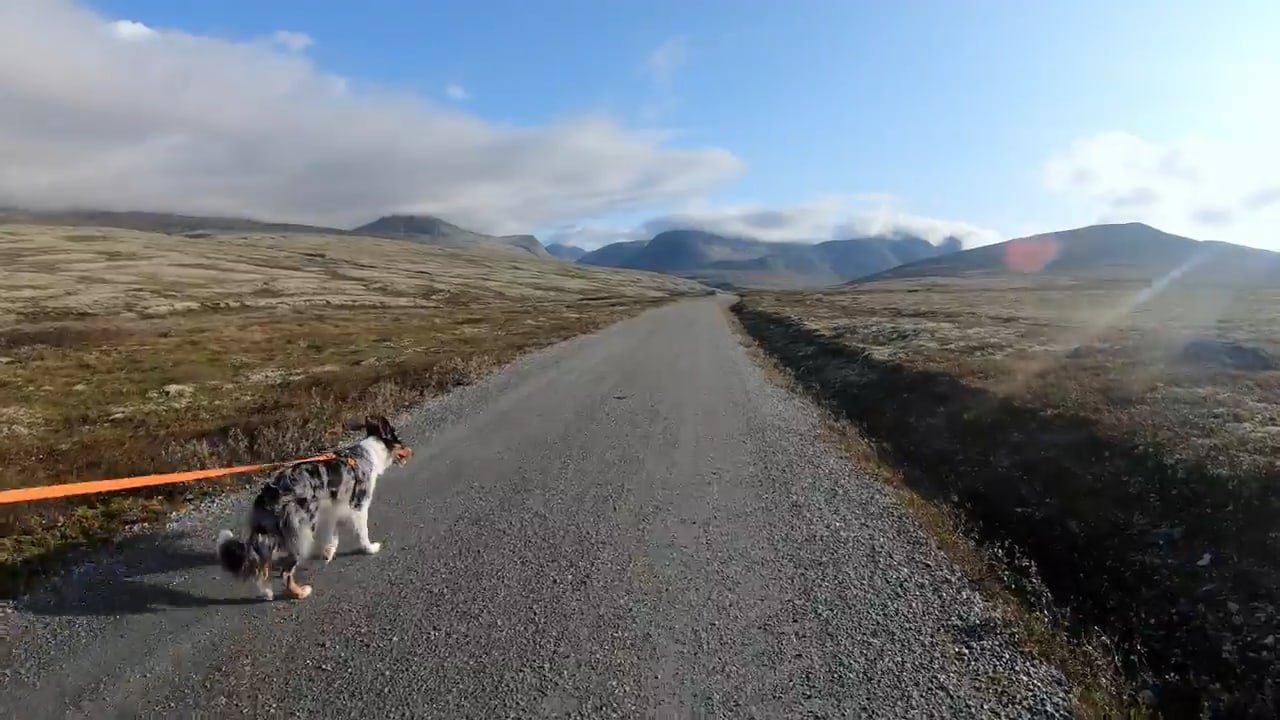
Not the price. Not the mountains versus the prairie. I’ve run dogs in country so flat you can watch your own sled disappear over the horizon, and I’ve watched frostbite take the tip off a volunteer’s thumb because she didn’t tell me her hands had stopped working. Flat country punishes quietly. Mountains at least look dangerous. But here’s what both have in common: the animal doesn’t care about your experience. The animal is doing its job or it isn’t, and if you’ve designed a business around the customer’s feeling rather than the animal’s function, you’ve already made the first mistake.
The worst incident I ever had on the trail started with a child who petted a dog wrong. Not viciously wrong. Just wrong in the way a nine-year-old is wrong. Too fast, over the head, eye contact held too long. The dog communicated for three full seconds before anything happened, and I saw it and I still wasn’t fast enough. Nothing permanent. Stitches, a scar on a palm, a family that didn’t come back. That moment rewrote my entire intake process. Waiver to warm-up, forty-five minutes, no exceptions, and I lose bookings over it every season. I lose bookings and I keep the policy because the policy exists for the dog, not the customer.
I wonder how many of those Rocky Mountain outfits have had their version of that moment. I wonder what they rewrote afterward, and what they left alone because rewriting it would cost them bookings.
Minus fifteen this morning. No wind yet, which won’t last. The dogs were already screaming before I’d finished sorting the lines. That particular sound they make when they know work is coming. Not distress, the opposite of distress. A whole team throwing themselves at the tug lines before I’ve even hooked anyone in. There is nothing manufactured about that sound. You cannot replicate it with a golden retriever on a leather lead in October, no matter how beautiful the mountains are behind you and no matter what you charge.
Maybe that’s what bothers me. Not the price. The word adventure, applied to something that was always supposed to be work.
Dogs know the difference. They always have.

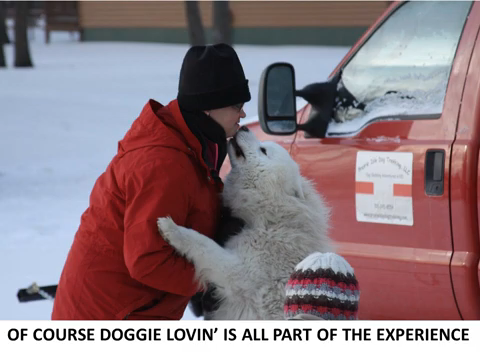
Helen L. Corlew runs a team of Samoyeds, Alaskan malamutes and Alaskan huskies. I am a Tellington TTouch practitioner and use this mode of work with training and living with my dogs.
Helen Corlew founded Prairie Isle Dog Trekking in Petersburg, North Dakota in 2010, and has spent the fifteen years since doing something most people only read about: teaching real dog sledding on real prairie terrain, at the edge of a landscape that doesn’t apologize for being difficult.
She is not a weekend enthusiast. She harnesses working dogs in January cold, trains handlers who have never touched a sled, and has built one of the only hands-on mushing education programs on the Northern Great Plains — from a single address on Highway 2, with no marketing budget and no shortcuts.
Her writing on Prairie Isle Dog Trekking reflects the same philosophy. Whether she is covering trail safety across the Rockies, breed behavior in extreme conditions, or what it actually takes to trek with a dog in the Alps, Helen writes from the position of someone who has done the work before writing the sentence.
She lives and runs dogs in Nelson County, North Dakota.
Kindly follow me on Social Media!