

The kennel smelled the way it always does at minus eighteen: straw, dogs, and cold air that belongs to no other kind of morning. I had my phone in my glove, checking the Denali puppy cam, because I had been checking it every morning for three days. Five pups born March 30th, named after national parks, were sleeping in a pile the way pups that will become working dogs should sleep. The comment sections below every clip were full of people saying things like "so cute" and "I want one."
Those puppies are not available, and they are not going to be. They are working animals in a program that has been running for one hundred and four years without interruption. Denali’s sled dogs patrol over two million acres of designated wilderness in winter conditions that would stop most vehicles and many people. That is the context those five pups were born into, and it is not a context you manufacture by buying a dog and a sled.
The naming is interesting to me, though not for the reason the National Park Service probably intended. Sequoia, Rainier, Teton, Mammoth, Mesa: each is a landscape that carries real physical and geological weight. Naming working dogs after places of consequence is more fitting than anyone in the comment section appeared to notice. A sixth pup, Acadia, is incoming from a partner kennel, which tells you this program thinks carefully about genetic continuity.
The live cam is drawing large audiences and I understand the appeal. Watching puppies sleep in a pile is a reliable form of comfort, and people need comfort. What I watch for is different: which pup responds first to a sound, how the bigger ones position, what the body language already suggests at this stage. Those early patterns tell you something before formal assessment is even possible, and the cam audience is not seeing any of it.
I had a handler come to me three years ago who had absorbed a lot of working dog content online and arrived confident. He had real equipment and some actual dog experience, so I gave him the benefit of the doubt. What he lacked was any framework for reading what a dog was communicating before it stopped being patient. He had learned the image of working dogs, not the practice of being present with one.
What I applied with that handler, and what I apply with every dog in my kennel from the first week of life, is Tellington TTouch. Not as a feel-good supplement to real training, but as a systematic method for building a dog’s awareness of its own body. A dog that does not know its own body cannot tell you accurately when something is going wrong. That matters more than harness fit, more than diet, more than any gear decision you will ever make.
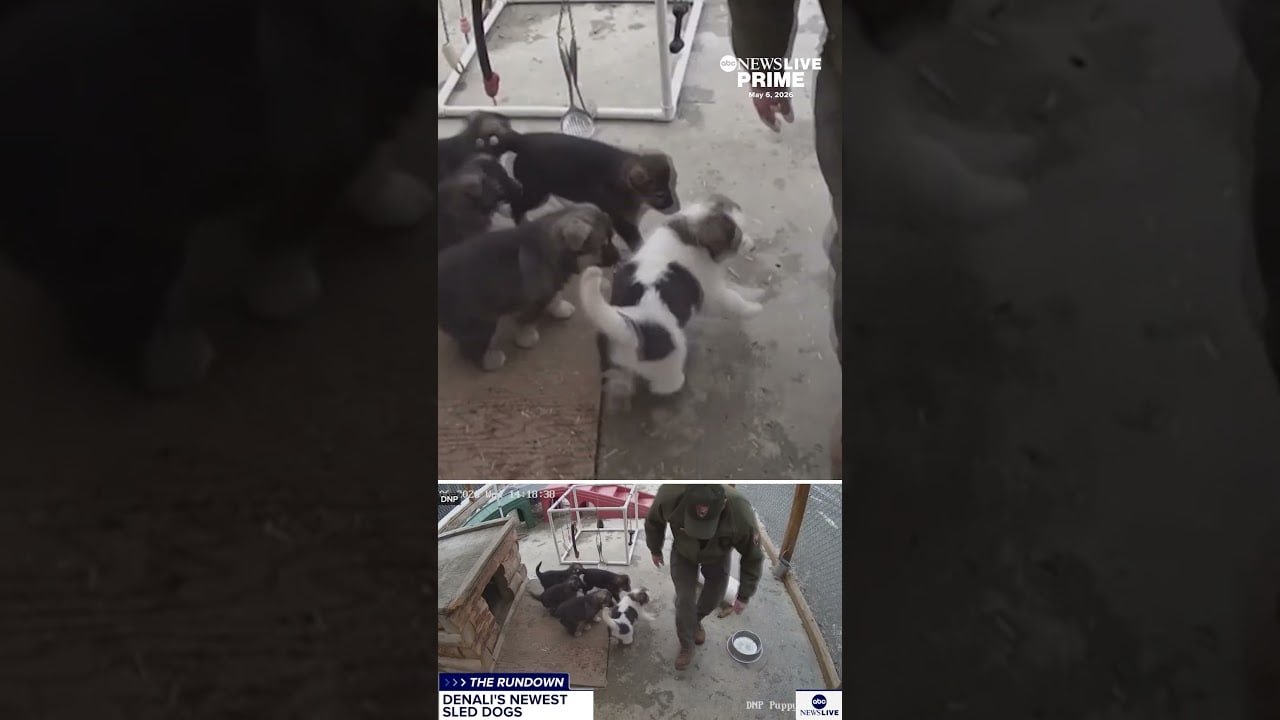
What Denali gets right, and what makes this litter worth attention beyond the cam, is the genetic structure behind it. Partner kennels, arranged breeding, freight-style Alaskan husky lineage maintained with actual purpose: this is what responsible working dog practice looks like. It is the opposite of purchasing a northern breed because it photographed well in someone’s feed.
The cam is drawing millions of views and the National Park Service is good at this kind of engagement. My concern is not with Denali’s program, which has needed no internet validation in a century of operation. My concern is the audience, and what this level of exposure makes people decide they want. Most people watching a puppy cam do not think past the image they are watching.
Those five pups, plus Acadia when she arrives, will spend years in conditioning before they are trusted with any patrol work. They will learn harness, team position, how to read terrain, and how to move when conditions remove all margin for error. None of that appears on a live cam, which is the central problem with cams as the primary way most people encounter working dogs. Sequoia and Rainier and Teton and Mammoth and Mesa will grow into dogs that patrol wilderness in conditions that would stop most aircraft.
That is not a cute story.
It is one hundred and four years of taking working dogs seriously enough to let them be what they are. Not what we need them to look like.
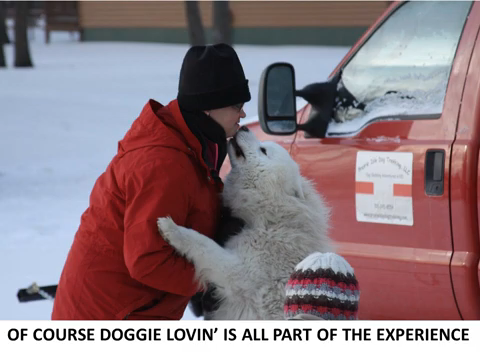
Helen L. Corlew runs a team of Samoyeds, Alaskan malamutes and Alaskan huskies. I am a Tellington TTouch practitioner and use this mode of work with training and living with my dogs.
Helen Corlew founded Prairie Isle Dog Trekking in Petersburg, North Dakota in 2010, and has spent the fifteen years since doing something most people only read about: teaching real dog sledding on real prairie terrain, at the edge of a landscape that doesn’t apologize for being difficult.
She is not a weekend enthusiast. She harnesses working dogs in January cold, trains handlers who have never touched a sled, and has built one of the only hands-on mushing education programs on the Northern Great Plains — from a single address on Highway 2, with no marketing budget and no shortcuts.
Her writing on Prairie Isle Dog Trekking reflects the same philosophy. Whether she is covering trail safety across the Rockies, breed behavior in extreme conditions, or what it actually takes to trek with a dog in the Alps, Helen writes from the position of someone who has done the work before writing the sentence.
She lives and runs dogs in Nelson County, North Dakota.
Kindly follow me on Social Media!
