

I read the number a second time before I accepted it: 185 dogs pulled from the 2026 Iditarod trail due to illness, injury, or exhaustion. That is against a field of 37 mushers, itself the second-smallest in the race’s history. A decade ago there were 85 teams on the trail. The math is not comfortable, and the discomfort is telling us something that neither side of the welfare argument wants to say plainly.
The number that actually stopped me was not 185. It was one: a four-year-old dog named Charley, who died en route to the Elim checkpoint on Mille Porsild’s team. Four years old is not old for a working sled dog. That detail is the one that requires sitting with, not the statistics surrounding it.
On the question of 185 pulled dogs, the number has two possible readings, and most commentary chooses one without acknowledging the other exists. If dogs are being pulled proactively, before they reach crisis, that is a welfare system functioning correctly. If dogs are being pulled because trail conditions or pace revealed they were not adequately prepared, that is a different reading entirely. The pneumonia cases and the kennel cough reports suggest exposure management that I would want to know considerably more about before I was satisfied.
Thirty-seven mushers is a number that should concern people who care about working dog culture, and also a number that might mean the sport is becoming more selective. Those two things are not mutually exclusive, which is what makes the statistic difficult. A sport losing practitioners at this rate either raises its standards or it shrinks until it disappears. Both outcomes exist, and the 2026 field does not tell you which one you are watching.
PETA released what it described as its most detailed welfare report to date following the 2026 race. I have read PETA’s materials on sled dog racing before, and I will say directly that they do not represent my view of working dog welfare. They also do not represent the racing community’s view, which holds that working dogs are not harmed by the work they were bred for. Neither position, as stated, is sophisticated enough to account for what happened to Charley.
What I know from running dogs on the Northern Great Plains is this: a dog can move from healthy to in crisis faster than most bystanders expect. The signals are there before that transition, and they are readable if you have the training to read them. Tellington TTouch is part of how I build that reading in myself and in the handlers I work with. It trains attention before it trains anything else, and attention is what Charley’s situation should be prompting people to discuss.
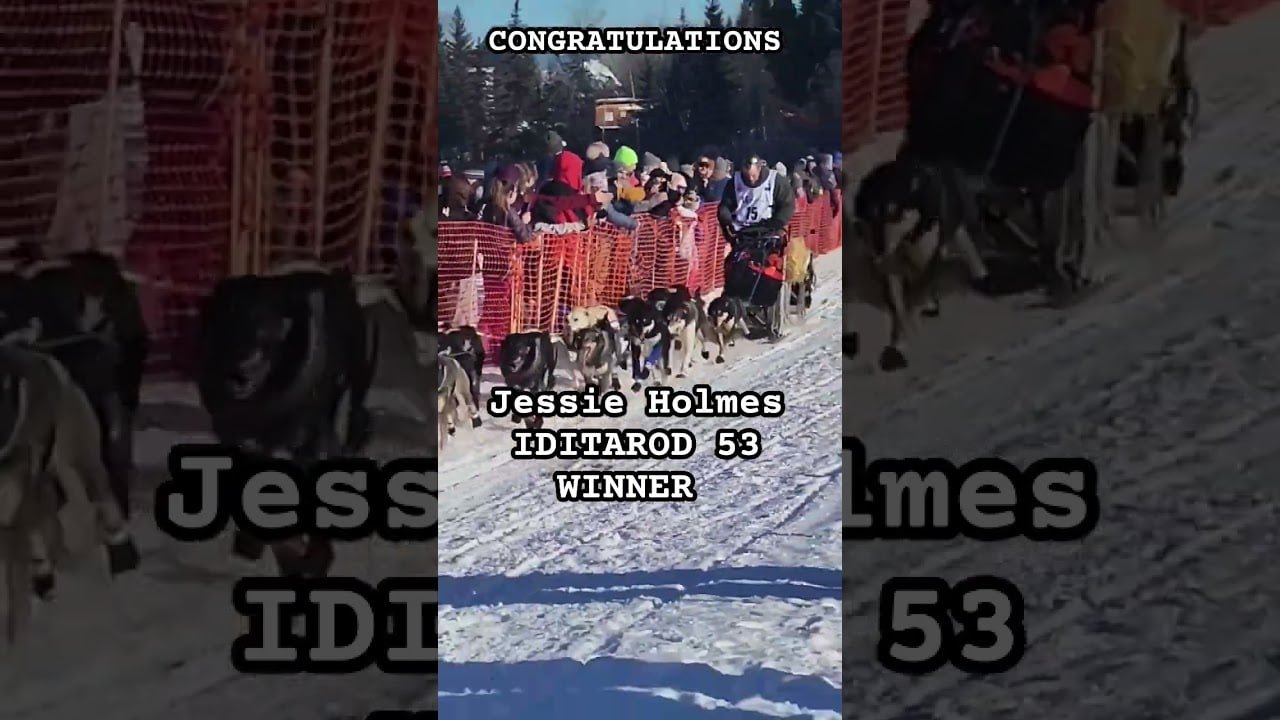
Jessie Holmes won in 9 days, 7 hours, and 32 minutes, making him the sixth musher to win back-to-back Iditarods. That is a serious achievement and it deserves to be named plainly, without any qualifying statement attached. The ability to hold a team together and manage their condition over nine days in Alaskan winter terrain is not a casual accomplishment. What Holmes did and what happened to Charley both happened in the same race, and that is the complexity neither side handles well.
The first time I pulled a dog from a run because something felt wrong and I could not name what, she was fine. The vet found nothing, she ran well two days later, and I spent a week second-guessing myself. The second time I ignored a signal because the previous pull had come to nothing, I was wrong to ignore it. The dog was fine eventually, but the lesson was clear: the signal is the data, not whether the signal proved accurate last time.
The 2026 Iditarod numbers, read together, describe a sport under genuine pressure from multiple directions at once. Fewer mushers, more welfare scrutiny, a death on the trail, and a winner who managed his team through all of it: that is a complicated picture. The people who want a simple story, either that the race is fine or that it should be abolished, are not going to find it in these numbers.
Charley was four years old.
That age, that name, that checkpoint: those are the specific coordinates of what went wrong, and they are worth more careful attention than any welfare report will give them. The question worth asking is not whether distance racing should exist. It is whether the people doing it are prepared to read their dogs honestly before the trail answers for them.
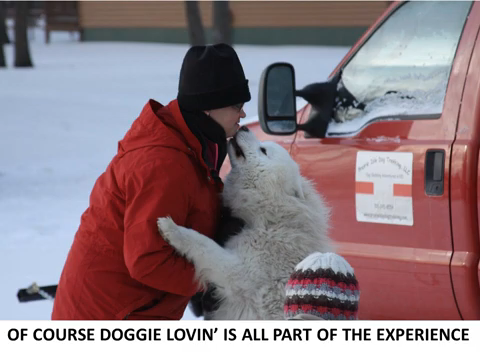
Helen L. Corlew runs a team of Samoyeds, Alaskan malamutes and Alaskan huskies. I am a Tellington TTouch practitioner and use this mode of work with training and living with my dogs.
Helen Corlew founded Prairie Isle Dog Trekking in Petersburg, North Dakota in 2010, and has spent the fifteen years since doing something most people only read about: teaching real dog sledding on real prairie terrain, at the edge of a landscape that doesn’t apologize for being difficult.
She is not a weekend enthusiast. She harnesses working dogs in January cold, trains handlers who have never touched a sled, and has built one of the only hands-on mushing education programs on the Northern Great Plains — from a single address on Highway 2, with no marketing budget and no shortcuts.
Her writing on Prairie Isle Dog Trekking reflects the same philosophy. Whether she is covering trail safety across the Rockies, breed behavior in extreme conditions, or what it actually takes to trek with a dog in the Alps, Helen writes from the position of someone who has done the work before writing the sentence.
She lives and runs dogs in Nelson County, North Dakota.
Kindly follow me on Social Media!
