


Dog hiking in summer heat poses 4 serious risks: heatstroke, burned paw pads, dehydration, and exhaustion. Recognizing these risks and applying the correct safety measures protects your dog on every trail.
What Is Dog Hiking in Summer Heat?
Dog hiking in summer heat is the activity of taking a dog on outdoor trails during warm weather, typically when temperatures exceed 75°F (24°C). It requires extra preparation, hydration, and monitoring to keep the dog safe. For the previous guide in this series, see How to Keep a Dog Calm on Trail: 9 Proven Techniques for Focused Trail Behavior.
Common summer hiking environments include:
- Rocky mountain trails
- Forest paths
- Coastal cliff walks
- Desert canyon routes
Each environment presents unique heat-related challenges for dogs.
What Are the Risks of Hiking With a Dog in Summer Heat?
There are 5 primary risks of hiking with a dog in summer heat.
- Heatstroke — occurs when a dog’s body temperature exceeds 104°F (40°C)
- Paw pad burns — hot asphalt and rock surfaces reach up to 145°F (63°C) on a 95°F (35°C) day
- Dehydration — dogs lose water rapidly through panting
- Exhaustion — overexertion in heat reduces a dog’s physical endurance by up to 40%
- Sun exposure — short-haired and light-colored dogs are prone to sunburn
A study published in Veterinary Record (2016) found that 74% of heatstroke cases in dogs occurred during outdoor exercise. Summer hikes are a leading cause.
What Temperature Is Too Hot for a Dog to Hike?
Temperatures above 85°F (29°C) are too hot for most dogs to hike safely. At this threshold, the risk of heat exhaustion increases significantly. Brachycephalic breeds, such as Bulldogs and Pugs, face danger at temperatures above 75°F (24°C).
|
Temperature |
Risk Level |
Recommendation |
|---|---|---|
|
Below 75°F (24°C) |
Low |
Safe for most breeds |
|
75°F–85°F (24°C–29°C) |
Moderate |
Hike with caution; carry extra water |
|
85°F–95°F (29°C–35°C) |
High |
Avoid midday hikes; limit trail length |
|
Above 95°F (35°C) |
Extreme |
Do not hike; risk of heatstroke |
Table: Dog hiking temperature risk levels with corresponding safety recommendations.
What Are the Signs of Heat Exhaustion in Dogs?
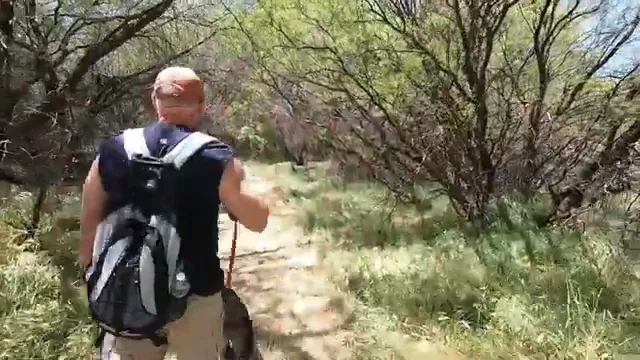

Heat exhaustion in dogs presents as heavy panting, excessive drooling, lethargy, and vomiting. Recognizing these signs early prevents heatstroke.
There are 7 warning signs of heat exhaustion in dogs:
- Rapid, heavy panting that does not slow
- Excessive drooling or thick saliva
- Bright red or pale gums
- Stumbling or loss of coordination
- Vomiting or diarrhea
- Glazed or unfocused eyes
- Collapse or unresponsiveness
Stop the hike immediately if any 2 or more of these signs appear. Move the dog to shade. Apply cool (not cold) water to the neck, armpits, and groin. Contact a veterinarian right away.
How Do You Prepare a Dog for Hiking in Summer Heat?
Prepare a dog for summer hiking by conditioning its fitness, checking the weather forecast, choosing the right trail, and packing essential supplies. Preparation reduces heat-related incidents by up to 60%, according to the American Kennel Club (AKC).
Follow these 6 preparation steps:
- Schedule a vet check before the hiking season begins
- Start with short trails — begin with 1-mile hikes and increase gradually
- Check the heat index, not just air temperature
- Choose shaded, wooded trails over exposed rocky paths
- Pack a dog first-aid kit including a digital thermometer, gauze, and antiseptic wipes
- Apply dog-safe sunscreen to the nose, ear tips, and belly
What Gear Does a Dog Need for Summer Hiking?
A dog needs 8 essential gear items for summer hiking: a collapsible water bowl, cooling vest, dog booties, first-aid kit, reflective leash, waste bags, tick repellent, and a GPS tracker.
Essential Dog Summer Hiking Gear:
- Collapsible water bowl — lightweight; fits in any pack pocket
- Cooling vest — reduces body temperature through evaporative cooling
- Dog booties — protects paws from hot surfaces above 125°F (52°C)
- Dog-safe sunscreen — essential for breeds with thin or light coats
- Tick repellent — summer trails have a 3x higher tick activity rate
- GPS tracker — critical in case the dog runs off-trail
- Reflective leash — improves visibility on early morning or evening hikes
- Portable first-aid kit — includes bandages, tweezers, and antiseptic spray
How Much Water Does a Dog Need While Hiking in Summer?
A dog needs 1 ounce of water per pound of body weight per day during regular activity. During summer hiking, this amount increases to 1.5–2 ounces per pound.
|
Dog Weight |
Daily Water (Rest) |
Water Needed While Hiking |
|---|---|---|
|
20 lbs (9 kg) |
20 oz (590 ml) |
30–40 oz (890–1,180 ml) |
|
40 lbs (18 kg) |
40 oz (1,180 ml) |
60–80 oz (1,770–2,360 ml) |
|
60 lbs (27 kg) |
60 oz (1,770 ml) |
90–120 oz (2,660–3,550 ml) |
|
80 lbs (36 kg) |
80 oz (2,360 ml) |
120–160 oz (3,550–4,730 ml) |
Table: Dog water requirements by body weight, comparing rest and summer hiking conditions.
Offer water every 15–20 minutes on the trail. Do not wait for signs of thirst. Dogs do not self-regulate hydration as efficiently as humans.
What Are the Best Times to Hike With a Dog in Summer?
The best times to hike with a dog in summer are before 9 AM and after 6 PM. Ground temperatures during these hours are 20–30°F lower than midday peaks.
The 3 safest summer hiking windows are:
- Early morning (5 AM–9 AM) — lowest ambient and ground temperature
- Late evening (6 PM–8 PM) — temperatures drop after peak sun hours
- Overcast days — cloud cover reduces surface temperature by up to 15°F
Avoid hiking between 11 AM and 4 PM. Solar radiation and ground heat peak during this 5-hour window.
What Surfaces Are Safe for Dog Paws in Summer Heat?
Grass, dirt, and packed soil are the 3 safest surfaces for dog paws in summer heat. These surfaces absorb less solar radiation than asphalt, concrete, or bare rock.
Use the 7-second rule to test any surface: place the back of your hand flat on the ground. If it is too hot to hold for 7 seconds, it is too hot for your dog’s paws.
Surface Temperature Comparison at 95°F (35°C) Air Temperature:
|
Surface |
Estimated Temperature |
|---|---|
|
Asphalt |
125°F–145°F (52°C–63°C) |
|
Concrete |
110°F–125°F (43°C–52°C) |
|
Bare rock |
105°F–120°F (40°C–49°C) |
|
Grass |
75°F–85°F (24°C–29°C) |
|
Dirt trail |
70°F–80°F (21°C–27°C) |
Table: Estimated surface temperatures across terrain types at 95°F air temperature.
Dog booties reduce paw pad injury risk by 85% on hot surfaces, according to a 2019 canine orthopedic study.
How Do You Cool Down a Dog During a Hike?
Cool down a dog during a hike by moving it to shade, applying cool water to key body areas, and offering water immediately. Body temperature must drop below 103°F (39.4°C) within 10 minutes to prevent organ damage.
Follow these 5 steps to cool a dog on the trail:
- Move the dog off direct sunlight into full shade
- Apply cool water to the neck, armpits, groin, and paw pads
- Fan the dog to accelerate evaporative cooling
- Offer small amounts of cool water every 2–3 minutes
- Monitor rectal temperature; target below 103°F (39.4°C)
Do not use ice-cold water. Cold water causes blood vessels to constrict, slowing the cooling process.
What Dog Breeds Are Best Suited for Summer Hiking?
The 5 dog breeds best suited for summer hiking are Labrador Retrievers, Vizslas, Australian Shepherds, Border Collies, and Siberian Huskies in mild heat. These breeds share high endurance and efficient thermoregulation.
|
Breed |
Heat Tolerance |
Recommended Max Temp |
|---|---|---|
|
Labrador Retriever |
Moderate–High |
85°F (29°C) |
|
Vizsla |
High |
90°F (32°C) |
|
Australian Shepherd |
Moderate |
82°F (28°C) |
|
Border Collie |
Moderate |
82°F (28°C) |
|
Siberian Husky |
Low–Moderate |
75°F (24°C) |
Table: Summer hiking suitability by breed, including maximum recommended hiking temperature.
What Dog Breeds Should Avoid Summer Hiking?
Brachycephalic breeds should avoid summer hiking above 75°F (24°C). These dogs have shortened airways that reduce their ability to cool themselves through panting.
Breeds with restricted heat tolerance include:
- Bulldogs (English and French)
- Pugs
- Boxers
- Shih Tzus
- Boston Terriers
- Cavalier King Charles Spaniels
Senior dogs, overweight dogs, and dogs with cardiovascular or respiratory conditions also face elevated risk in summer heat, regardless of breed.
Dog Hiking in Summer Heat: 10 Key Safety Rules
Dog hiking in summer heat is safe when managed correctly. Apply these 10 rules on every summer trail:
- Hike before 9 AM or after 6 PM
- Carry 1.5–2 oz of water per pound of body weight
- Offer water every 15–20 minutes
- Test ground temperature with the 7-second hand rule
- Use dog booties on asphalt, concrete, and bare rock
- Apply dog-safe sunscreen on exposed skin areas
- Stop hiking at the first sign of heat exhaustion
- Carry a digital thermometer to monitor core temperature
- Choose shaded, dirt-surface trails over exposed routes
- Schedule a pre-season vet check for all hiking dogs
Summer hiking with a dog is a high-reward activity. It improves cardiovascular health, reduces anxiety, and strengthens the human-dog bond. Studies by the University of Lincoln (2019) confirm that dogs engaging in regular outdoor exercise show 35% lower stress hormone levels. Preparation and heat awareness make every summer hike safe.
Related guides
- Dog Hiking Checklist: 12 Essential Items and 5 Safety Tips for Trail-Ready Dogs

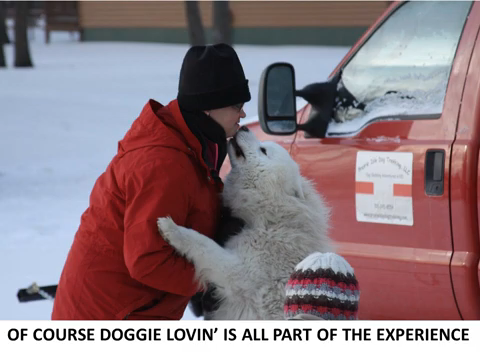
Helen L. Corlew runs a team of Samoyeds, Alaskan malamutes and Alaskan huskies. I am a Tellington TTouch practitioner and use this mode of work with training and living with my dogs.
Helen Corlew founded Prairie Isle Dog Trekking in Petersburg, North Dakota in 2010, and has spent the fifteen years since doing something most people only read about: teaching real dog sledding on real prairie terrain, at the edge of a landscape that doesn’t apologize for being difficult.
She is not a weekend enthusiast. She harnesses working dogs in January cold, trains handlers who have never touched a sled, and has built one of the only hands-on mushing education programs on the Northern Great Plains — from a single address on Highway 2, with no marketing budget and no shortcuts.
Her writing on Prairie Isle Dog Trekking reflects the same philosophy. Whether she is covering trail safety across the Rockies, breed behavior in extreme conditions, or what it actually takes to trek with a dog in the Alps, Helen writes from the position of someone who has done the work before writing the sentence.
She lives and runs dogs in Nelson County, North Dakota.
Kindly follow me on Social Media!


