


What the Race Already Is
She was twenty-four and she’d run the Yukon Quest the previous year and she knew things I hadn’t figured out until I was past thirty, and I’m not too proud to say that. She came through Petersburg on her way somewhere else, stopped because someone gave her my name, and we ran together for two hours on a morning when the cold was the dry, total kind, the kind that doesn’t negotiate. Minus twenty-two. The kind where the inside of your nose stops feeling like tissue and starts feeling like the inside of a tin can.
Her dogs were magnificent. Her data was better than mine.
She had a heart rate monitor on every dog in her team, readings going to her phone in real time, recovery curves she could pull up and show me like charts from a doctor’s office. She talked about carbohydrate cycling and inflammatory response and sleep architecture the way I talk about harness fit. Fluently. Automatically. Like it had always been this language and she’d just been born into it later.
I looked at her lead dog, a female running quiet and easy at the front of the line, and the dog looked back at me for one second before looking forward again. She didn’t need to know who I was.
That’s the moment I keep thinking about when I read the pieces about the new generation dragging the Iditarod into the modern era. The data. The sports science. The social media strategy and the podcast interviews and the twenty-somethings who train with nutritionists and sleep coaches and talk about the mental performance side of a thousand-mile race with a fluency that the old guard sometimes calls something other than fluency when they think no one younger is listening.
I run a small operation off Highway 2. I have no standing to weigh in on the Iditarod except that I’ve been working with sled dogs long enough to know what sled dogs are, and that turns out to be enough.
Here’s what the debate is actually about. Not technology. Not Instagram. The argument underneath all the other arguments is about whether the race belongs to the dogs or to the story we tell about the race.
The old story is a particular one. Ice and instinct and suffering endured without complaint, the musher as a figure from a different century, competent in ways that can’t be quantified and shouldn’t need to be. There’s real truth in that story. Nobody gets to Nome on sentiment alone. The cold doesn’t care about your narrative.
But the cold doesn’t care about your tradition either.

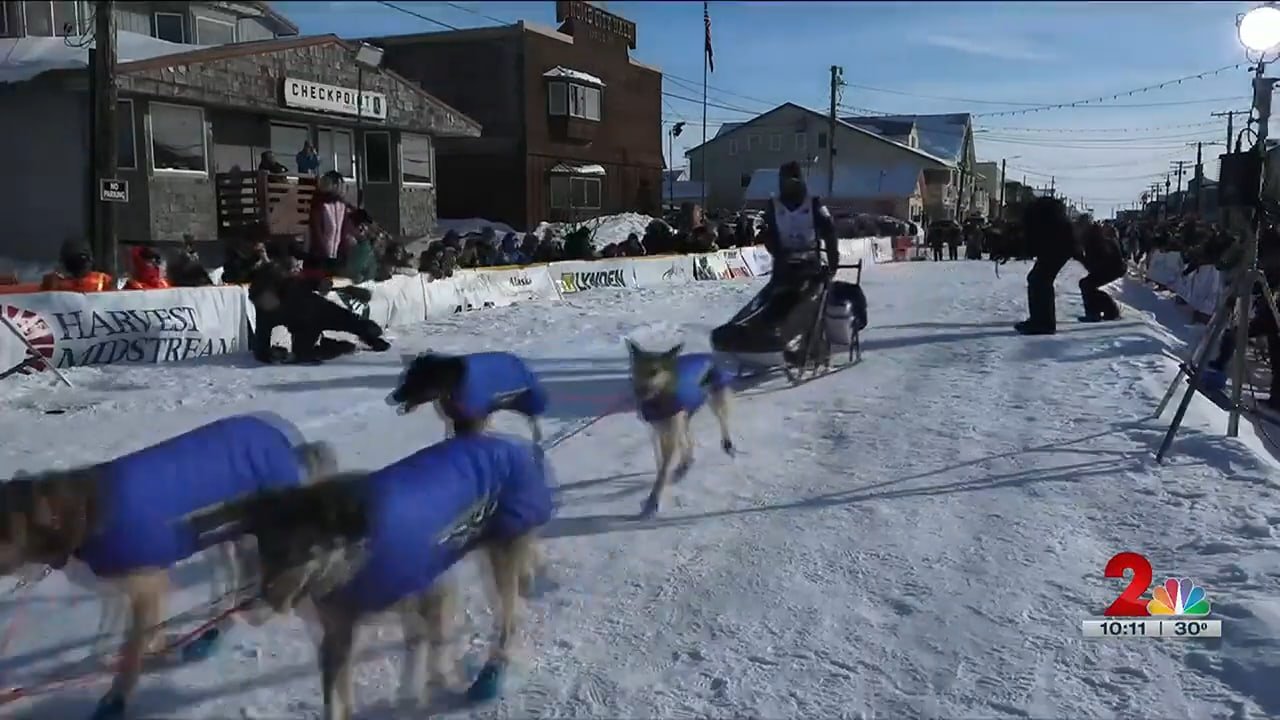
A dog with a monitored heart rate and an optimized diet is not a diminished dog. The work is the same work. The dogs don’t know they’re being modern. They know the gangline and the ground and the person at the back of the sled, and what they need from that person hasn’t changed because that person is now also managing a data dashboard and posting splits to an audience of forty thousand.
What worries me is something smaller than the debate suggests.
I had a volunteer here two winters ago who’d come from a research background, meticulous, genuinely good with data, and she was so focused on logging the run, pace and temperature and rest intervals recorded on a clipboard she carried in her chest pocket, that she missed a dog favoring a shoulder for the last half mile of trail. Not badly. Just slightly. The kind of thing you catch with your eyes when your eyes are on the dogs.
The shoulder was fine. We checked it. Nothing came of it.
But I thought about what the clipboard cost her in that moment. Not the data. The clipboard. The habit of looking at the record instead of the thing being recorded.
The new mushers are not making that mistake wholesale. The best of them are using the data the way a good handler uses a harness: fitted exactly, never instead of attention. They’re watching their dogs and the numbers at the same time and that’s genuinely harder than watching just one of those things and they are doing it well.
The Iditarod isn’t being dragged anywhere. It’s running, the way it always runs, on the effort of dogs and the judgment of the person behind them, and that judgment now has better tools and a younger face.
The lead dog looked forward. That part hasn’t changed.

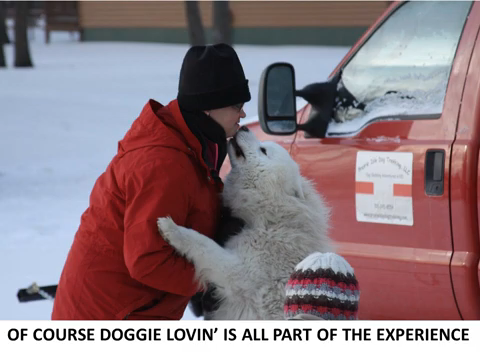
Helen L. Corlew runs a team of Samoyeds, Alaskan malamutes and Alaskan huskies. I am a Tellington TTouch practitioner and use this mode of work with training and living with my dogs.
Helen Corlew founded Prairie Isle Dog Trekking in Petersburg, North Dakota in 2010, and has spent the fifteen years since doing something most people only read about: teaching real dog sledding on real prairie terrain, at the edge of a landscape that doesn’t apologize for being difficult.
She is not a weekend enthusiast. She harnesses working dogs in January cold, trains handlers who have never touched a sled, and has built one of the only hands-on mushing education programs on the Northern Great Plains — from a single address on Highway 2, with no marketing budget and no shortcuts.
Her writing on Prairie Isle Dog Trekking reflects the same philosophy. Whether she is covering trail safety across the Rockies, breed behavior in extreme conditions, or what it actually takes to trek with a dog in the Alps, Helen writes from the position of someone who has done the work before writing the sentence.
She lives and runs dogs in Nelson County, North Dakota.
Kindly follow me on Social Media!


