

Birch quit on me seventeen miles out, just sat down in the traces like she’d made up her mind, because she had. Not injured. Not tangled. Done. I unclipped her and she rode in the sled bag the rest of the way home with her chin on the rail, watching the team pull, and I remember the cold that day was the dry burning kind, minus twenty-two, the kind that gets into your nose differently than regular cold, sharper, like something metallic, and I was thinking the whole ride back that this dog had just told me something more clearly than most people manage to communicate anything. She had a limit. She knew where it was. She trusted me to hear it.
That was 2016. I’ve thought about Birch a lot this winter.
The Iditarod debate has gotten loud enough that people ask me about it at every school group, every first-timer session, every time someone finds out what I do for a living. Are the dogs suffering? Is the race cruel? Should it be banned? I understand why they’re asking me. What I don’t have for them is the simple answer they want.
Dogs die in the Iditarod. That’s true and it’s not deniable, and the people trying to minimize it are doing the sport serious damage. Seventeen dogs have died in the race since 2020. The causes vary. The pattern doesn’t. When you push an animal at that intensity, over that distance, at those speeds, some percentage will not survive it. That’s not activist propaganda. That’s math.
But here’s where I part ways with the people calling for an outright ban, and it comes from something I’ve watched rather than something I’ve read. Working dogs are not pet dogs. They are not oppressed pet dogs. They are animals bred over generations to run, with cardiovascular and musculoskeletal systems built for sustained output most people cannot conceptualize, and when they are properly trained and properly handled, they will communicate clearly when they’ve reached their limit. Birch told me. Every dog I’ve run for fifteen years has told me, in the vocabulary of the body that you learn to read if you’re paying attention, the way a tug line going slack tells you something has changed before you’ve even looked back.
The question isn’t whether dogs should pull sleds. The question is whether the Iditarod specifically has become a race that outruns the dogs’ ability to communicate and the mushers’ ability to listen.
That’s a harder question. Neither side wants to sit with it.
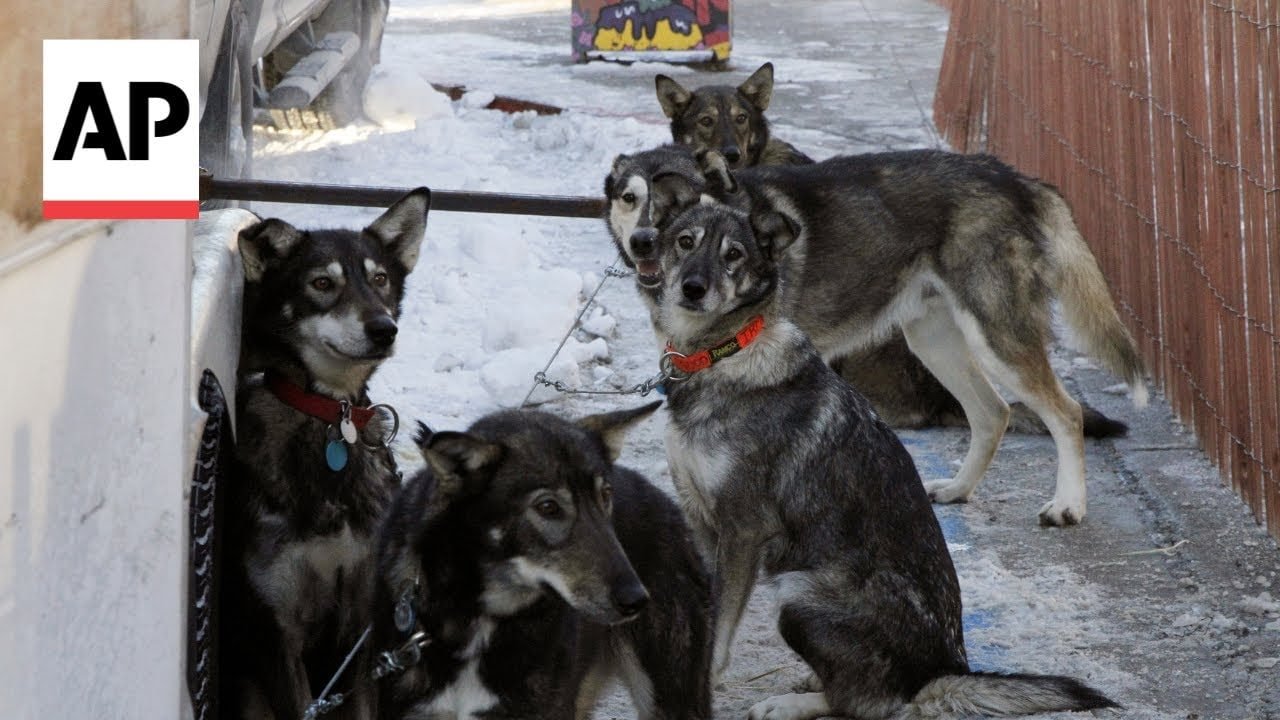
The activist argument treats all sled racing as equivalent to abuse, which is wrong, and which makes it easy for bad actors in the sport to dismiss the entire conversation as ignorance. The musher argument treats every death as a tragic anomaly and every critic as someone who’s never been near a working dog. That’s a convenient posture. It doesn’t require anyone to look too hard at the data. Both sides are protecting something. Neither side is protecting the dogs first.
What I know from the kennel: a dog that wants to run will tell you. A dog that is done will tell you. A dog that is being asked for more than it has left will tell you that too, if you’re close enough and quiet enough to read it. The Iditarod covers nearly a thousand miles in under ten days. The mushers sleep in shifts. At some point in that calculus, the communication breaks down, not because the dogs stop talking but because nobody’s in a position to listen anymore. You can’t read a dog from inside a sleep deprivation spiral at mile seven hundred.
I’m not calling for the race to end. I’m saying it has a structural problem that no amount of press coverage will fix, and the people with the standing to fix it are spending their energy on the argument instead.
Birch is twelve now. She still comes out of her run when I open the gate, still wants to be near the gangline when the team is setting up, still has that quality of attention working dogs carry, the full-body alertness, the total presence. She knows what she is. She knew what she had left that day in 2016 and she said so without hesitation.
The dogs have always known. That’s never been the problem.
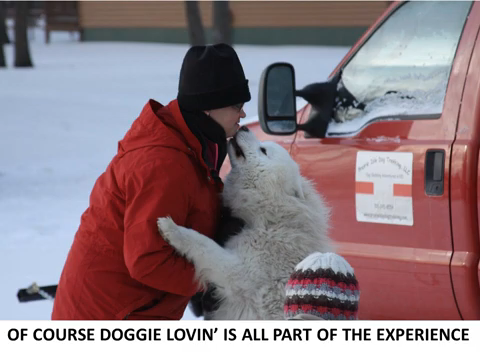
Helen L. Corlew runs a team of Samoyeds, Alaskan malamutes and Alaskan huskies. I am a Tellington TTouch practitioner and use this mode of work with training and living with my dogs.
Helen Corlew founded Prairie Isle Dog Trekking in Petersburg, North Dakota in 2010, and has spent the fifteen years since doing something most people only read about: teaching real dog sledding on real prairie terrain, at the edge of a landscape that doesn’t apologize for being difficult.
She is not a weekend enthusiast. She harnesses working dogs in January cold, trains handlers who have never touched a sled, and has built one of the only hands-on mushing education programs on the Northern Great Plains — from a single address on Highway 2, with no marketing budget and no shortcuts.
Her writing on Prairie Isle Dog Trekking reflects the same philosophy. Whether she is covering trail safety across the Rockies, breed behavior in extreme conditions, or what it actually takes to trek with a dog in the Alps, Helen writes from the position of someone who has done the work before writing the sentence.
She lives and runs dogs in Nelson County, North Dakota.
Kindly follow me on Social Media!
