

The email came from a veterinarian in Fargo who’d been following my operation for a couple of years, and the subject line said thought you’d find this interesting, which is what people say when they expect you to be impressed. I read it at the workbench with my coffee going cold beside me, the kennel smell coming through the floor boards, that particular combination of hay and dog and frozen nylon from harnesses that had been hanging outside since Tuesday. The study was forty-one pages. Harvard School of Public Health, partnered with a canine exercise physiology lab. They’d tracked twenty-two dogs over varying distances and terrain across ninety days and measured everything they could measure: paw pad wear, cortisol, cardiac output, gait deviation, hydration markers, recovery intervals.
I read it twice. Then I went out to check the dogs, which is what I do when something is making me think harder than I expected.
The finding that stopped me wasn’t about paw pads or hydration. It was buried in the methodology section, written almost casually, the way significant things sometimes get written when researchers don’t yet know what they’ve found. The dogs in the study began showing measurable physiological stress markers, elevated cortisol, cardiac irregularity, altered gait micropatterns, an average of four hours before any behavioral signal appeared. Four hours. The body already in distress while the dog was still running, still responsive, still, by every visible measure, fine.
Fifteen years of reading dogs. Fifteen years of trusting what I could see and hear, the way a tug line goes slightly slack before the stride shortens enough to notice. My entire operation built on the belief that a dog will tell you when it’s done. I still believe that’s true. What the study said, quietly, was that by the time a dog tells you, you may already be four hours late.
That is not the same thing as dogs being unable to communicate. It’s the body holding out longer than is good for it, which anyone who has ever pushed through pain without meaning to would recognize.
The study has been circulating in hiking communities as proof that dogs don’t belong on long trails at all. That’s the wrong conclusion. The kind of conclusion you reach when you want a simple rule to stand behind. The researchers didn’t say that. They said the gap between physiological and behavioral stress signals widens under sustained exertion, and that owners relying solely on behavioral cues may systematically underestimate their dog’s fatigue. That’s a precision problem, not a permission problem.
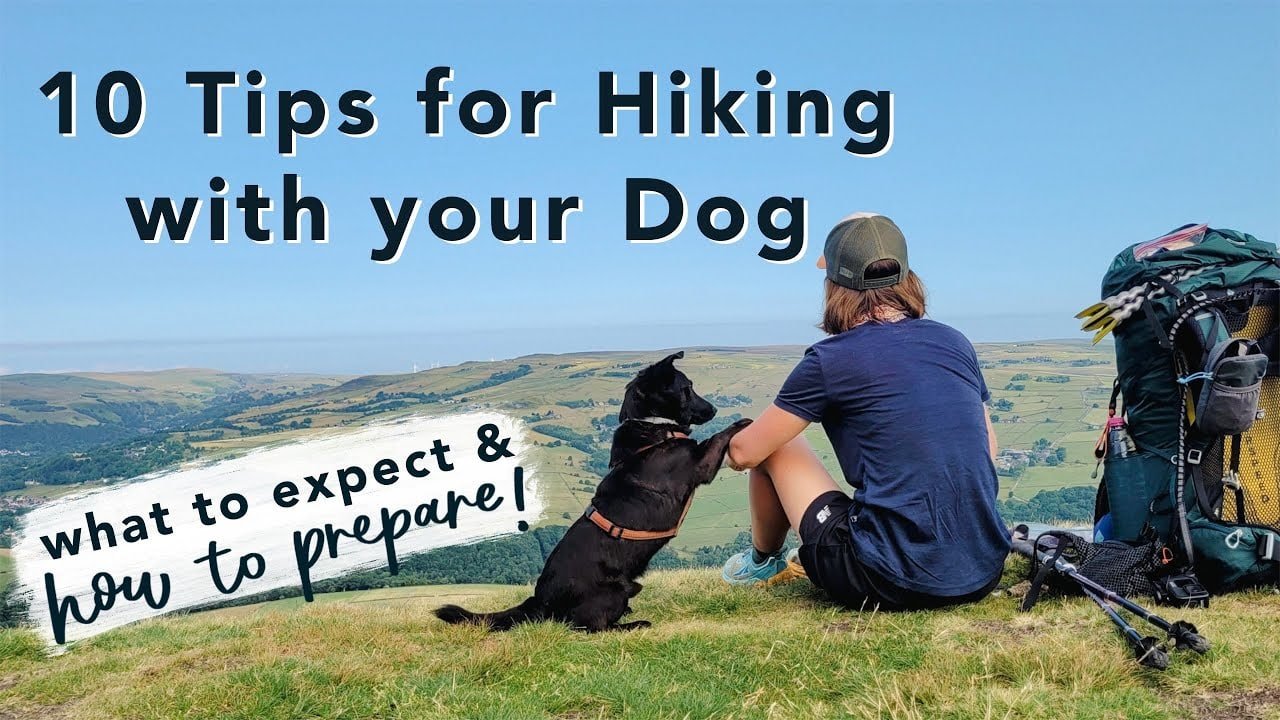
In practice it means more rest stops than you believe are necessary. Shorter days than the dog appears capable of. Paying attention to things you can actually observe: water intake, how long it takes to lie down after stopping, whether the dog positions itself near you or away from you at rest. Not waiting for the limp or the sit-down that means you’ve already gone too far.
I’ve changed two things since reading that study. I stop the team fifteen minutes earlier than I used to when I’m uncertain about a dog’s output. And when a client tells me their dog is fine, I ask them what fine looks like, specifically. Most people have never had to answer that question. The pause before they answer tells me what I need to know.
The study didn’t say dogs are fragile. It said the margin I thought I had was smaller than I assumed. On flat exposed prairie in January, with the temperature sometimes dropping twenty degrees between when you leave and when you turn back, with nothing between you and the horizon in any direction and your hands losing feeling before you’ve registered that they’ve started to go, that margin is the whole game. There is no recovery from being wrong about it by four hours. Not out there.
The vet in Fargo emailed again a month later asking what I’d thought. I told her it was the most useful piece of research I’d read in years, which was true, and also that it had made me angry for about a week, which I did not tell her.
The anger wasn’t at the study. It was at myself, for how long I’d been operating inside a margin I hadn’t known was there.
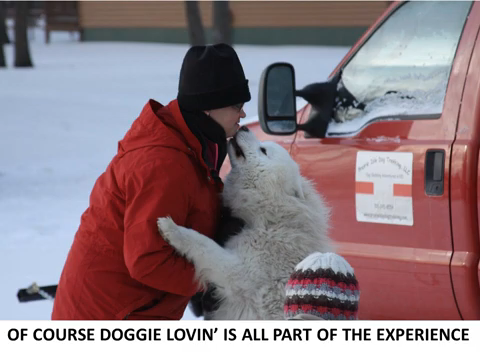
Helen L. Corlew runs a team of Samoyeds, Alaskan malamutes and Alaskan huskies. I am a Tellington TTouch practitioner and use this mode of work with training and living with my dogs.
Helen Corlew founded Prairie Isle Dog Trekking in Petersburg, North Dakota in 2010, and has spent the fifteen years since doing something most people only read about: teaching real dog sledding on real prairie terrain, at the edge of a landscape that doesn’t apologize for being difficult.
She is not a weekend enthusiast. She harnesses working dogs in January cold, trains handlers who have never touched a sled, and has built one of the only hands-on mushing education programs on the Northern Great Plains — from a single address on Highway 2, with no marketing budget and no shortcuts.
Her writing on Prairie Isle Dog Trekking reflects the same philosophy. Whether she is covering trail safety across the Rockies, breed behavior in extreme conditions, or what it actually takes to trek with a dog in the Alps, Helen writes from the position of someone who has done the work before writing the sentence.
She lives and runs dogs in Nelson County, North Dakota.
Kindly follow me on Social Media!
