


Dog hiking in Scotland is trail walking on Scottish terrain with a dog, covering routes from 1 to 20 miles across mountains, glens, lochs, and coastal paths. Scotland offers over 27,000 miles of mapped paths and access routes. The Land Reform (Scotland) Act 2003 grants dogs the legal right to access most land, making Scotland one of the most dog-friendly hiking destinations in Europe.
What Are the Dog Access Rights for Hiking in Scotland?
Dogs have the legal right to access most Scottish land under the Land Reform (Scotland) Act 2003. The Scottish Outdoor Access Code governs responsible dog access across mountains, forests, fields, and waterways. These rights apply year-round but include 3 core responsibilities: For the previous guide in this series, see Dog Trekking Alps: Routes, Regulations, Gear, and Safety Across 5 Countries.
- Keep dogs under control near livestock, ground-nesting birds, and other walkers
- Leash dogs on farmland where livestock are present between 1 March and 31 July
- Remove and dispose of all dog waste, including on remote trails
Note that access rights do not apply to private gardens, farmyards, or land enclosed for specific purposes.
What Are the 8 Best Dog Hiking Trails in Scotland?
The 8 best dog hiking trails in Scotland span mountain summits, loch-side paths, and ancient forest routes. These trails are ranked by suitability for dogs based on terrain type, distance, and access conditions.
|
Trail |
Location |
Distance |
Terrain Type |
|---|---|---|---|
|
Ben Lomond |
Loch Lomond & The Trossachs |
6 miles |
Mountain summit |
|
Fairy Pools Walk |
Isle of Skye |
3 miles |
Riverside, flat |
|
Cairn Gorm Summit |
Cairngorms National Park |
5 miles |
High mountain |
|
Grey Mare’s Tail |
Dumfries & Galloway |
2 miles |
Waterfall, moderate |
|
Glencoe Valley Walk |
Highland |
4 miles |
Glen, flat to moderate |
|
West Highland Way |
Fort William to Milngavie |
96 miles |
Multi-terrain |
|
Arthur’s Seat |
Edinburgh |
2 miles |
Urban hill, moderate |
|
Trossachs National Trail |
Stirling |
6 miles |
Forest and lochside |
What Is the Most Dog-Friendly Trail in Scotland?
The Fairy Pools Walk on the Isle of Skye is the most accessible dog-friendly trail in Scotland. It covers 3 miles on flat riverside terrain with natural water access points. Dogs remain off-lead on most sections, and the trail has no livestock crossings during summer months.
What Gear Does a Dog Need for Hiking in Scotland?
A dog needs 7 essential pieces of gear for hiking in Scotland. Scotland’s terrain includes sharp volcanic rock, boggy moorland, and river crossings, all of which require specific protective equipment.
- Waterproof dog jacket – Scotland receives an average of 1,500 mm of rainfall annually in highland areas; a waterproof layer maintains body temperature
- Dog booties – Protect paws from sharp quartzite, granite, and basalt rock found on Munros and highland trails
- Harness with handle – Provides control and lift assistance on steep or scrambling terrain
- Collapsible water bowl – Enables hydration breaks every 20 to 30 minutes
- Tick removal tool – Scotland’s moorland and heather carry high tick populations from March to October
- High-visibility vest – Increases dog visibility during mist, low cloud, and dusk conditions common in Scottish highlands
- GPS ID tag – Enables location tracking on remote trails where mobile signal is unavailable
What Should You Pack for a Dog Hike in Scotland?
Pack water, high-ener

Packing checklist:
- 1 to 2 liters of clean drinking water
- High-protein trail food or kibble portions
- Canine first aid kit — includes bandages, antiseptic wipes, and a tick removal tool
- Dog-safe midge repellent spray
- Waste bags — biodegradable and sufficient for the full trail duration
- Emergency foil blanket for temperature drops above 600 meters elevation
What Are the 5 Main Safety Risks of Dog Hiking in Scotland?
The 5 main safety risks of dog hiking in Scotland are tick bites, blue-green algae exposure, livestock encounters, extreme weather, and adder bites. Public Health Scotland confirms that tick-borne Lyme disease cases have increased in highland regions over the past decade, making tick prevention a primary concern for dog hikers.
|
Risk |
Location |
Prevention |
|---|---|---|
|
Tick bites |
Heather, moorland, woodland |
Veterinarian-approved tick treatment; check after every hike |
|
Blue-green algae |
Lochs and slow-moving water |
Avoid all still water; carry clean drinking water |
|
Livestock encounters |
Farmland, open glens |
Leash dog; follow Scottish Outdoor Access Code |
|
Extreme weather |
Above 600m elevation |
Check Met Office forecast; carry waterproofs |
|
Adder bites |
Moorland, rocky hillsides |
Keep dog on path; seek vet treatment within 2 hours |
How Do You Protect a Dog from Midges in Scotland?
Protect a dog from midges by applying veterinarian-approved repellent and hiking between 10 AM and 3 PM, when midge activity is lowest. The Highland midge (Culicoides impunctatus) is most active between June and August, particularly in still, humid conditions below 300 meters. Coastal and elevated trails above 600 meters carry significantly lower midge density.
What Are the Rules for Dogs Near Livestock in Scotland?
Dogs near livestock in Scotland are governed by the Scottish Outdoor Access Code and the Dogs (Protection of Livestock) Act 1953. Dogs must be kept on a leash no longer than 2 meters when within sight of sheep, cattle, or ground-nesting birds. 3 specific rules apply:
- Leash dogs between 1 March and 31 July on farmland where livestock are present
- Keep dogs leashed at all times when passing through fields containing cattle
- Release a dog from its leash only if a cattle herd charges, to allow the dog to escape separately
What Happens If a Dog Chases Livestock in Scotland?
A farmer has the legal right to shoot a dog that is caught worrying livestock in Scotland under the Dogs (Protection of Livestock) Act 1953. Dog owners also face unlimited fines for livestock worrying offenses. NatureScot reports over 13,000 livestock worrying incidents annually across Scotland, with dogs off-lead near sheep cited as the primary cause.
What Are the Best Seasons for Dog Hiking in Scotland?
The best seasons for dog hiking in Scotland are spring (April to May) and autumn (September to October). These months offer lower midge density, stable trail conditions, and reduced livestock management restrictions. Summer hiking is viable but requires midge precautions. Winter hiking above 600 meters carries avalanche and hypothermia risk for both dogs and hikers.
|
Season |
Temperature Range |
Midge Activity |
Trail Conditions |
|---|---|---|---|
|
Spring (Apr–May) |
8°C–14°C |
Low |
Firm, some muddy sections |
|
Summer (Jun–Aug) |
12°C–18°C |
High |
Firm but crowded |
|
Autumn (Sep–Oct) |
6°C–12°C |
Low |
Firm, shorter daylight |
|
Winter (Nov–Mar) |
-2°C–6°C |
None |
Ice, snow above 400m |
What Is the Weather Like for Dog Hiking in Scotland?
Scotland’s highland weather changes rapidly. The Met Office records average wind speeds of 30 mph on summit trails and rainfall on 250 days per year in western highland regions. Always check the Mountain Weather Information Service (MWIS) forecast before hiking above 600 meters with a dog.
Where Can Dogs Stay After Hiking in Scotland?
Dogs stay in a wide range of accommodations across Scotland, including dog-friendly hotels, self-catering cottages, and campsites. VisitScotland lists over 3,000 pet-friendly accommodation options nationwide. 3 popular accommodation types for dog hikers include:
- Self-catering cottages — Common near Cairngorms, Glencoe, and Isle of Skye; provide outdoor washing facilities for dogs
- Dog-friendly B&Bs — Available in most trail gateway towns, including Fort William, Pitlochry, and Aviemore
- Campsites with dog access — Permitted on most Scottish campsites under the Land Reform (Scotland) Act 2003
Verify dog policies directly with accommodation providers before booking. Most require dogs to remain off furniture and charge a cleaning supplement of £10 to £25 per stay.
Related guides
- Dog Friendly National Parks: 7 Best Parks, NPS Rules, and Trail Guide for the USA
- Dog Hiking Japan: Trails, Regulations, Breeds, and Seasonal Rules Across 4 Regions

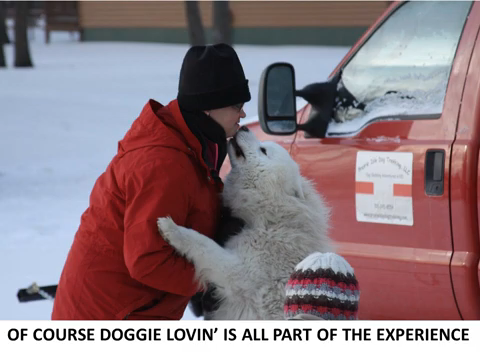
Helen L. Corlew runs a team of Samoyeds, Alaskan malamutes and Alaskan huskies. I am a Tellington TTouch practitioner and use this mode of work with training and living with my dogs.
Helen Corlew founded Prairie Isle Dog Trekking in Petersburg, North Dakota in 2010, and has spent the fifteen years since doing something most people only read about: teaching real dog sledding on real prairie terrain, at the edge of a landscape that doesn’t apologize for being difficult.
She is not a weekend enthusiast. She harnesses working dogs in January cold, trains handlers who have never touched a sled, and has built one of the only hands-on mushing education programs on the Northern Great Plains — from a single address on Highway 2, with no marketing budget and no shortcuts.
Her writing on Prairie Isle Dog Trekking reflects the same philosophy. Whether she is covering trail safety across the Rockies, breed behavior in extreme conditions, or what it actually takes to trek with a dog in the Alps, Helen writes from the position of someone who has done the work before writing the sentence.
She lives and runs dogs in Nelson County, North Dakota.
Kindly follow me on Social Media!


